Personalized mRNA Vaccine Cuts Melanoma Recurrence by Nearly Half
- Nishadil
- October 23, 2026
- 0 Comments
- 3 minutes read
- 7 Views
- Save
- Follow Topic
New mRNA Cancer Vaccine Slashes Risk of Melanoma Returning
A tailor‑made mRNA shot developed by Moderna and Merck reduced the two‑year chance of melanoma coming back by 42% in a landmark trial.
When you think of vaccines, you probably picture a jab that stops a virus like measles or the flu. But scientists at Moderna, Merck and a handful of cancer centers have taken that idea a step further – they’re using the same mRNA technology that powered COVID‑19 shots to keep a cancer from coming back.
In a study released on Thursday, the experimental vaccine, called intismeran, was shown to lower the two‑year recurrence risk for high‑risk melanoma patients by about 42 percent. In plain terms, 82 percent of those who got the vaccine were still cancer‑free after two years, compared with 70 percent who received the standard immunotherapy alone.
The trick is personalization. Researchers first sequenced each tumor’s DNA, hunting for unique mutations that create “neo‑antigens” – little protein flags that only the cancer cells display. Then, using the Nobel‑prize‑winning mRNA platform, they brewed a custom vaccine that teaches the patient’s immune system to recognize and attack those flags if the tumor tries to grow back.
Patients received nine doses, spaced three weeks apart, on top of the usual post‑surgery treatment with Merck’s Keytruda. Side effects were what you’d expect from an mRNA shot: a sore arm, some fatigue and occasional flu‑like symptoms – nothing dramatic.
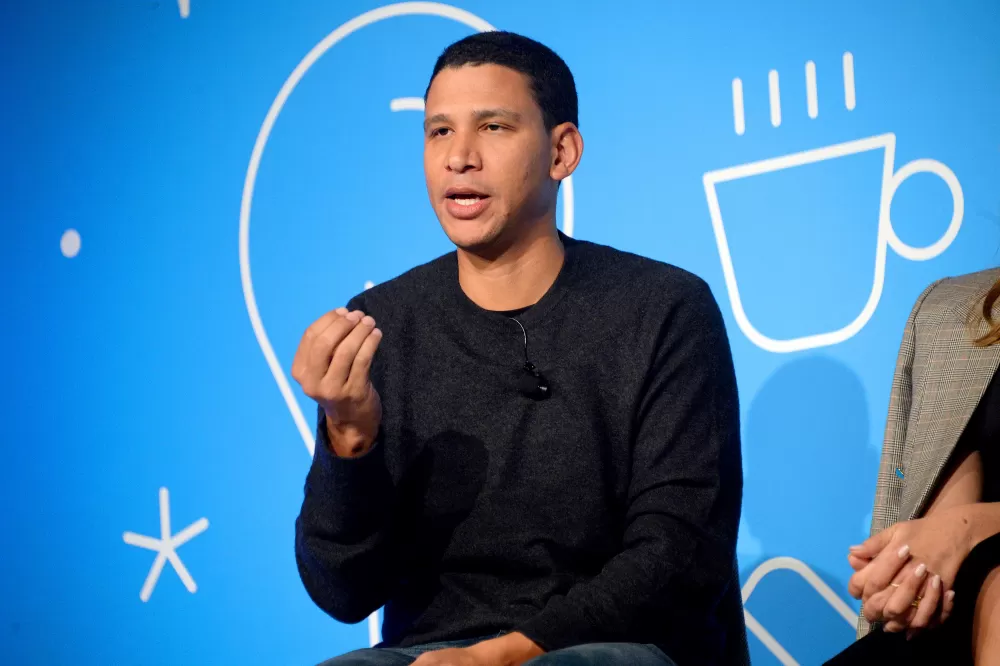
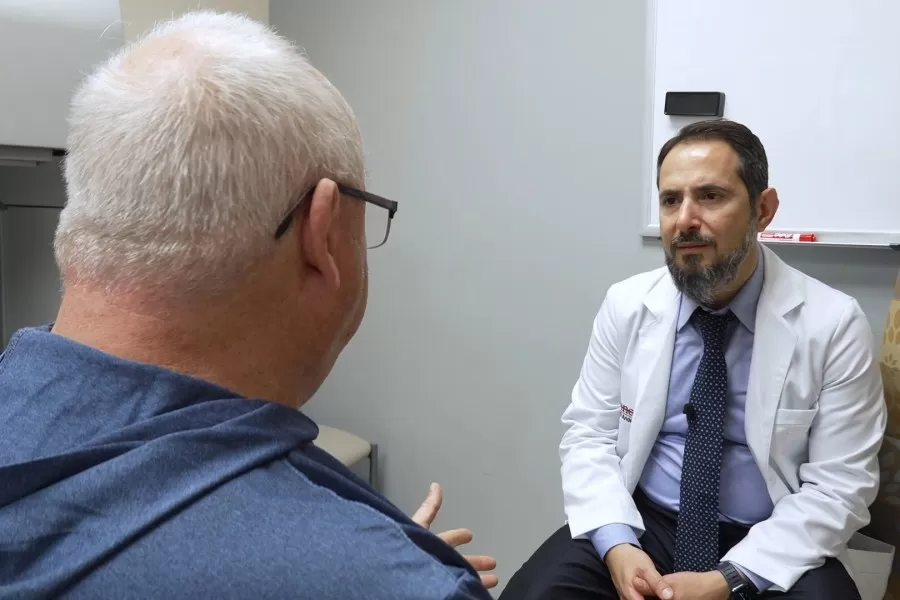
“The field has been looking for a win and I think this one is a big one,” said Dr. Hussein Tawbi of MD Anderson Cancer Center, one of the study’s lead investigators. Other experts echoed the optimism. “It’s a new frontier,” remarked Karen Knudsen, CEO of the Parker Institute, while Dr. Michael Atkins of Georgetown’s Lombardi Cancer Center called the result “a big step forward for science and oncology.”
The trial enrolled more than 1,100 patients with surgically removed, high‑risk melanoma. After the vaccine’s success was hinted at in August, the full data were leaked on Thursday, prompting an early public release before a formal presentation at the European Society of Medical Oncology meeting in Madrid.
One participant, 62‑year‑old Tony Hout, joined the study after a bleeding spot on his ear turned out to be melanoma that had already begun to spread. “I want to make sure I’m doing everything I can to be here for my family,” he said. Recent scans show he remains cancer‑free, and he travels back to Houston every few months for check‑ups.
Manufacturing the vaccine isn’t instant. According to Moderna President Stephen Hoge, the whole pipeline – from tumor sequencing to a finished dose – takes roughly six weeks, sometimes longer. Still, the company’s dedicated facility in Massachusetts is already producing thousands of doses for ongoing trials worldwide.
Cost remains a question; personalized medicines tend to be pricey, and neither company disclosed pricing details. Nonetheless, regulators are now being briefed on the data as Moderna and Merck consider the next steps toward approval.
Even as Moderna’s stock dipped 18 percent after the full results hit the market, it still sits more than double its pre‑trial level, reflecting the market’s belief that a successful personalized cancer vaccine could reshape oncology.
Editorial note: Nishadil may use AI assistance for news drafting and formatting. Readers can report issues from this page, and material corrections are reviewed under our editorial standards.