Paraguay’s New President Steps In After a Bank Collapse and an Impeachment Drama
- Nishadil
- November 07, 2026
- 0 Comments
- 3 minutes read
- 11 Views
- Save
- Follow Topic
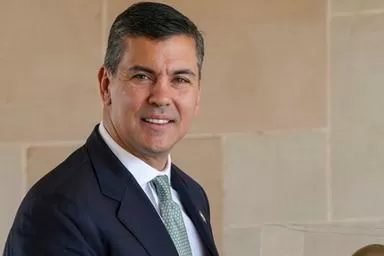
Pedro Alliana sworn in as president; former leader Santiago Peña placed under house arrest
Following the collapse of digital lender Ueno Bank, Paraguay’s Congress impeached President Santiago Peña. Vice‑president Pedro Alliana took the oath, promising compensation for millions of depositors and pledging transparency amid mounting public anger.
Asunción woke up on Friday to a very different political landscape. After a frantic vote in the Senate, Pedro Alliana, the 52‑year‑old former vice‑president, was sworn in as Paraguay’s head of state, stepping into the shoes of Santiago Peña, who was just ousted over the Ueno Bank disaster.
Alliana’s oath‑taking ceremony was brief, almost a blur of handshakes and a handful of reporters. Yet his first words already set the tone: he would not abandon the people who lost their savings when the digital‑banking start‑up collapsed. He promised an “immediate, transparent” compensation plan, especially for the most vulnerable citizens who cannot afford to wait.
The scandal that triggered all this began when regulators seized Ueno Bank on Tuesday after it fell below the legal solvency threshold. The lender, which had grown fast by offering flashy supermarket discounts and easy‑access accounts, left roughly three million Paraguayans – almost two‑thirds of the adult population – unable to touch their money.
Lawmakers accused Peña of using his political clout to prop up the bank. They allege he funneled hundreds of millions of dollars of public money into Ueno, appointed a former Ueno executive, Carlos Carvallo, as central‑bank chief, and even let the state pension fund deposit $355 million beyond legal limits. Peña has denied everything, but the Senate voted 44‑0 to impeach him, making him only the second president in modern Paraguayan history to be removed this way.
Within hours of the impeachment, prosecutors ordered Peña to stay at one of his Asunción residences under house arrest. The charges – breach of trust, influence‑peddling and personal gain from public office – carry potential prison sentences of up to ten years. A police cordon now rings his house, while protesters chant for full accountability.
Alliana inherits a country that is not just dealing with a banking nightmare but also with a ripple effect that reaches far beyond depositors. A ride‑hailing platform that relied on Ueno’s payment system shut its doors, leaving about 3,000 drivers jobless. Meanwhile, $21 million in loans from the Inter‑American Development Bank and Taiwan, earmarked for infrastructure, sits frozen at the bank, according to the state electricity company.
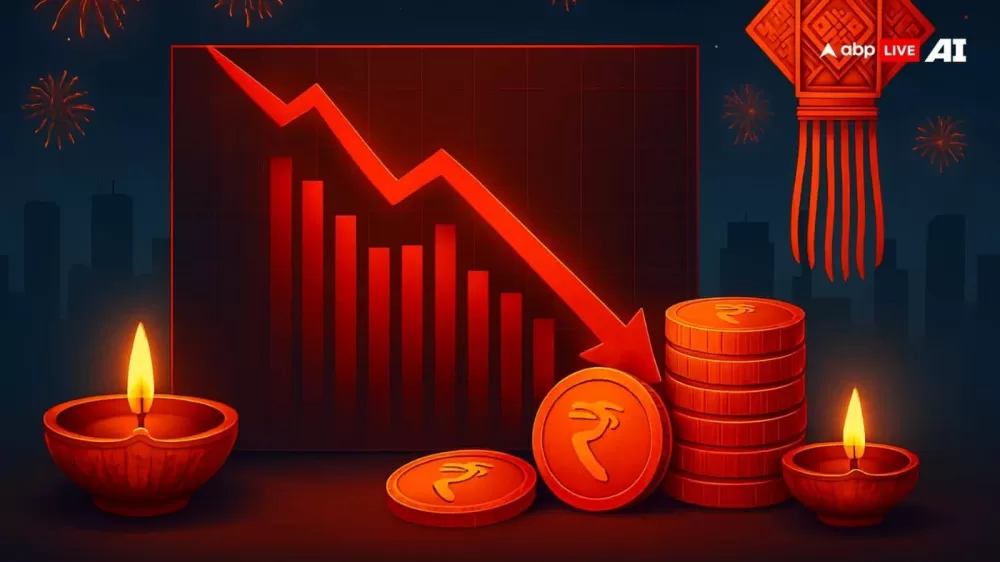
Financial markets have already felt the shock. Paraguayan bonds have tumbled and the guaraní has slipped against the US dollar. The central bank, however, says deposits are insured up to roughly $35,000, which should cover 97 % of Ueno’s customers. It has begun releasing funds, starting with those whose savings do not exceed 10 million guaraníes (about ₹1,60,400).
On the legal front, the investigation widens. At least 27 people, including Ueno’s founder and former CEO Miguel Vázquez, have been charged with breach of trust and attempted fraud. Some former directors are already in pre‑trial detention.
Alliana’s term will run until August 2028, but his immediate task is clear: restore confidence in Paraguay’s banking system, get money back into ordinary people’s hands, and show that the new administration will not tolerate the kind of cronyism that led to the crisis.
Editorial note: Nishadil may use AI assistance for news drafting and formatting. Readers can report issues from this page, and material corrections are reviewed under our editorial standards.