Pamela Abdy Speaks Out After Warner Bros. Exit
- Nishadil
- November 06, 2026
- 0 Comments
- 4 minutes read
- 6 Views
- Save
- Follow Topic
After leaving Warner Bros., the veteran exec uses a Women in Film gala to call out industry sexism
Pamela Abdy, fresh off her Warner Bros. departure, takes the stage at the Women in Film Honors to share a candid, no‑holds‑barred speech about the challenges women still face in Hollywood.
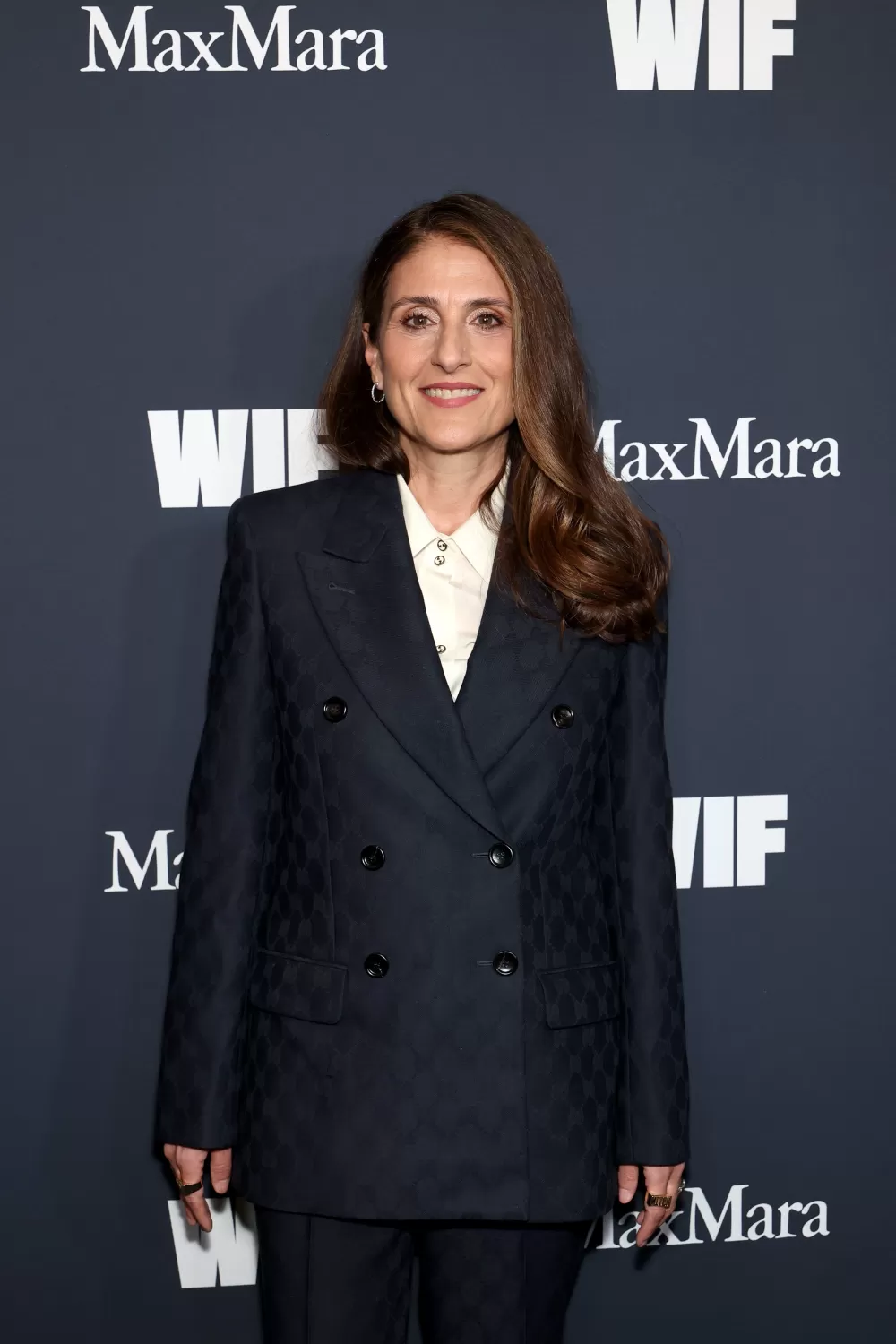
Just a month after Warner Bros. announced that its co‑chair and CEO, Pamela Abdy, would be stepping away, she turned up at the Women in Film Honors in Los Angeles looking surprisingly relaxed. The Beverly Hilton’s ballroom was buzzing with industry chatter, but when the lights dimmed and Nancy Meyers walked up to hand Abdy the inaugural Vanguard Award, the room fell almost silent.
Abdy, who spent more than three decades climbing the studio ladder—from assistant to the helm of Warner Bros. Motion Picture Group—didn’t waste any time. She launched into a fifteen‑minute, unfiltered address that felt more like a heart‑to‑heart conversation than a polished award speech. “After 31 years in this business, I’m done pretending it’s okay to be called ‘difficult’ when I’m simply speaking the truth,” she said, voice steady but edged with what she described as “pure, unadulterated rage.”
She didn’t shy away from the hard questions either. “It’s getting harder, not easier, to be a woman in Hollywood,” she warned, pointing to the endless cycles of tokenism, the silence around pay gaps, and the way women’s ideas are often sidelined in boardrooms. Yet, rather than ending on a note of despair, Abdy framed that anger as fuel. “I’m using it to push for change, to make space for the next generation of storytellers,” she affirmed.
Before stepping onto the stage, Abdy floated a quick update for the press on the red carpet. “Right now, I’m taking a break and chilling,” she told Variety’s Marc Malkin with a grin. “I get to watch every single one of my daughter’s volleyball games without a phone buzzing. It’s simple, but it feels like a luxury right now.”
When pressed about future career moves—rumors were already swirling that she and longtime producing partner Michael De Luca might be eyed for a top slot at Netflix—she kept things deliberately vague. “When I decide what I’m doing, I’ll let everyone know,” she replied. “It’s an interesting time to pause, reflect, and figure out what really makes me happy.”
Abdy’s remarks about the newly merged Warner Bros.–Skydance entity were equally candid. Asked whether the combined studio could realistically release thirty films a year, she shrugged, “I don’t know. I’m not there. I hope they do.” It was a rare glimpse of an insider watching the corporate chessboard from the outside.
The evening also highlighted the contributions of other women in the industry. Adria Arjona received the Max Mara Face of the Future Award, while Beth de Araújo and Gemma Chan were honored for advocacy in film, and Hannah Waddingham for advocacy in TV. Salma Hayek Pinault earned the Jane Fonda Humanitarian Award, presented by Fonda herself. All of these moments underscored the ceremony’s broader purpose: to celebrate women who are reshaping the narrative, both on‑screen and behind the scenes.
When Meyers handed Abdy the Vanguard Award, she paid tribute to the trail of women leaders that had supported Abdy throughout her career. “Behind every great woman, you’ll usually find another great woman,” Meyers said, listing a handful of filmmakers that Abdy championed over the years—including herself, recalling how the two greenlit the upcoming “Paris Paramount.” “They treat you like a friend, they want to support you, and they go to bat for you,” Meyers added, underscoring the collaborative spirit that Abdy has long embodied.
Beyond the accolades, Abdy’s résumé reads like a greatest‑hits compilation: blockbusters such as “Barbie,” the epic “Dune: Part Two,” and critically acclaimed titles like “One Battle After Another.” Her influence stretched across genres, budgets, and award seasons, cementing her reputation as a studio powerhouse who could balance box‑office brawn with artistic nuance.
Now, with a brief pause in her professional life, Abdy seems intent on savoring the simple moments—family, rest, and the occasional “what‑if.” For many watching, her candid speech serves as both a reminder of how far the industry still has to go and a rallying cry that, when women speak their truth, it can spark the very change they’re demanding.
Editorial note: Nishadil may use AI assistance for news drafting and formatting. Readers can report issues from this page, and material corrections are reviewed under our editorial standards.