Pakistan's Military Shake-Up: General Munir Consolidates Power with Key Intelligence Appointments
- Nishadil
- September 26, 2026
- 0 Comments
- 4 minutes read
- 6 Views
- Save
- Follow Topic
A Deep Dive into Pakistan Army's Major Reshuffle: Munir Loyalists Take the Reins at ISI, MI, and Critical Field Posts
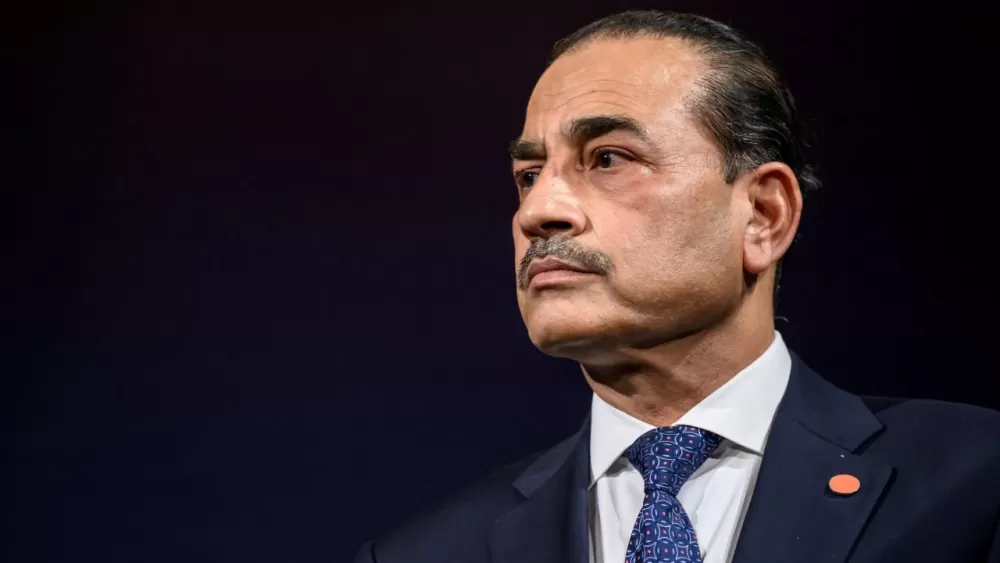
Pakistan's military landscape is undergoing a significant transformation as Army Chief Field Marshal Asim Munir strategically places trusted officers in pivotal intelligence and field commands, signaling a consolidation of power and a potential shift in national security priorities.
The corridors of power within Pakistan's military establishment are buzzing, and for good reason. As of September 22, 2026, the Pakistan Army has initiated a rather significant round of senior-level appointments, a strategic move that comes hot on the heels of July's brigadier promotions to major general. This isn't just routine; it's a clear signal from Army Chief Field Marshal Asim Munir, indicating a concerted effort to consolidate his influence by placing trusted, high-performing officers into some of the most sensitive and crucial roles across the country's security architecture.
You see, these aren't just any old positions. We're talking about key intelligence agencies, internal security operations, and critical field commands. The message here is unmistakable: Munir is meticulously crafting a team of loyalists and individuals recognized for their exceptional fieldwork and unwavering commitment. It's a deeply strategic move designed to ensure stability and alignment with his vision, shaping the next generation of leadership entrusted with safeguarding Pakistan's core interests.
Let's dive into some of the most notable changes, particularly within the intelligence sphere. The powerful Inter-Services Intelligence (ISI), arguably one of Pakistan's most important institutions, is seeing several fresh faces. Major General Jawwad Riaz, previously leading the Pakistan Coast Guards, is now heading to a senior ISI assignment, specifically as DG, Personnel. He's joined by Major General Sajid Mehmood, who steps in as DG-Z, and Major General Muhammad Shamriaz Khan, taking on the role of DG-S. These appointments within the ISI are particularly telling, given its wide-ranging responsibilities from internal security and counterterrorism to foreign and strategic intelligence. Meanwhile, the Directorate General Military Intelligence (DG MI) also has a new chief: Major General Adil Iftikhar Warriach, who takes over from Major General Wajid Aziz. Warriach brings recent experience from the 7th Infantry Division in Miranshah, underscoring the emphasis on operational understanding.
Beyond the core intelligence agencies, other vital internal security and field commands are also experiencing shifts. The Pakistan Coast Guards, for instance, will now be led by Major General Atif Rafique, a newly promoted officer from the 95 PMA Long Course. More crucially, in Balochistan, a region consistently facing security challenges, Major General Zafar Iqbal has been appointed to lead Frontier Corps South, while Major General Ahmed Farhan takes the helm at Frontier Corps West. These are critical postings, aiming to strengthen security and operational capabilities in a sensitive province.
And the reshuffle doesn't stop there. Even major infantry formations, the backbone of any army, are seeing changes. Major General Zill-e-Husnain, an artillery officer, is now the General Officer Commanding (GOC) of the 15th Infantry Division headquartered in Sialkot, a rather significant command. He replaces Major General Sajid Amin Awan. Interestingly, this marks the second consecutive time an artillery officer has been entrusted with this particular formation. Over at Okara, Major General Waqas Qureshi, promoted in July, is set to take charge as GOC 14th Infantry Division, succeeding Major General Waseem Iftikhar Cheema.
What does all this mean, especially for regional dynamics? Well, the reshuffle is far from over. Insiders suggest more high-profile changes are on the horizon, potentially affecting key roles like Corps Commander positions, senior General Headquarters (GHQ) appointments, and perhaps even the DG ISI and DG ISPR. For India, these developments warrant close observation. The strategic placement of Munir's trusted cadre in intelligence and internal security roles could have significant ramifications for regional stability and cross-border dynamics. It’s clear that a new, loyal leadership is being groomed, ready to navigate the complex security landscape Pakistan faces both internally and externally.
Editorial note: Nishadil may use AI assistance for news drafting and formatting. Readers can report issues from this page, and material corrections are reviewed under our editorial standards.