OpenAI's Data Center Drive: Pushing Forward Amidst Widespread Voter Opposition
- Nishadil
- November 08, 2026
- 0 Comments
- 4 minutes read
- 11 Views
- Save
- Follow Topic
Despite Public Outcry, OpenAI Confirms Continued Data Center Expansion
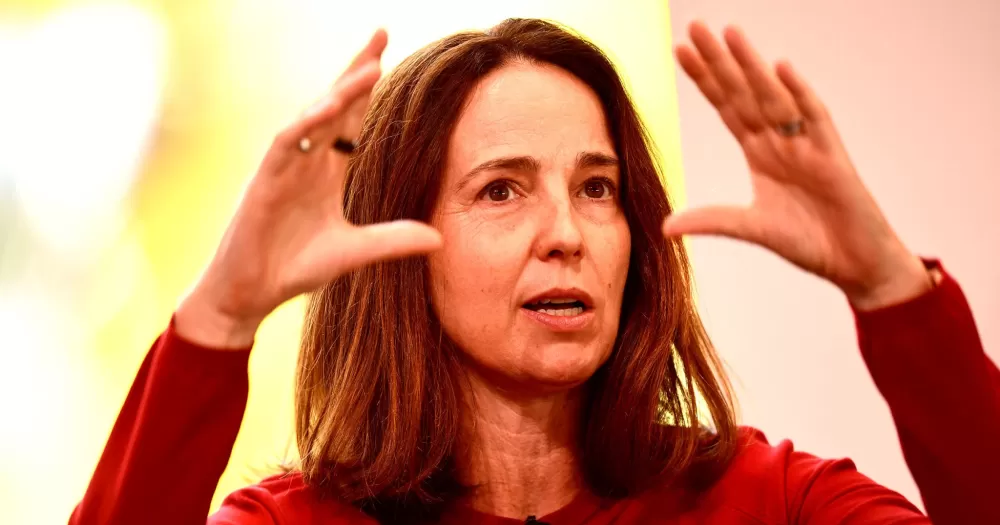
OpenAI's CFO Sarah Friar states the company will persist in building new data centers to meet demand, even as recent midterm elections showed overwhelming voter sentiment against such developments across the nation.
It seems that even overwhelming public sentiment, expressed rather definitively at the ballot box, might not be enough to slow down OpenAI's ambitious growth plans. In a recent interview on CNBC, Sarah Friar, the company's Chief Financial Officer, made it crystal clear: OpenAI intends to press ahead with significant investments in new data centers. The reasoning? Pure and simple customer demand, she explained.
This pronouncement comes at a particularly interesting, and frankly, a bit awkward, moment. Just after the midterm elections, a fascinating picture emerged from local communities across the country. Ballotpedia data reveals that an astonishing 40 out of 41 local ballot measures aimed at restricting the construction of AI data centers were passed by voters. That's a pretty emphatic message, wouldn't you say?
Indeed, it wasn't just a niche concern. Exit polls conducted by NBC News painted an even broader picture, indicating that a solid 56 percent of Americans considered issues surrounding AI and data centers to be either a crucial or at least a major factor when casting their votes. This isn't just a few NIMBY groups; it's a significant portion of the electorate weighing in.
The sentiment is even shaping political landscapes. Take Texas, for instance, where Gina Hinojosa, the state's governor-elect – and notably, the first Democrat to clinch that office in over three decades – campaigned quite vocally on a platform that included imposing a moratorium on new data center developments. This isn't just a local issue anymore; it's a topic with state-wide, and potentially national, implications.
In response to what is clearly a growing public concern, OpenAI has attempted to offer some olive branches. The company recently announced what it calls "new commitments to the communities" where these vast data centers are slated for construction. Perhaps the most notable of these pledges is a promise to stop using non-disclosure agreements (NDAs) when discussing construction plans with government officials. It's a step towards greater transparency, to be sure, but it begs the question of whether it's enough to truly appease a public that seems to want less, not more, data center expansion.
Amidst all this, OpenAI CEO Sam Altman, a figure often at the forefront of the AI conversation, shared a tweet that, in retrospect, takes on a curious resonance. "People should always be in control of the future," he wrote. A sentiment few would disagree with, but one that seems to highlight the very tension currently at play: the future OpenAI is building, and the future many communities are voting against.
So, here we are. A tech giant steadfastly committed to growth, driven by an insatiable demand for AI compute power, staring down an increasingly vocal and organized public expressing clear reservations. The clash between technological advancement and community control is undeniably escalating, and it leaves us wondering just how this delicate balance will ultimately be struck.
Editorial note: Nishadil may use AI assistance for news drafting and formatting. Readers can report issues from this page, and material corrections are reviewed under our editorial standards.