OKC Fire Department Leads the Way with Innovative Mobile Integrated Healthcare
- Nishadil
- October 21, 2026
- 0 Comments
- 3 minutes read
- 10 Views
- Save
- Follow Topic
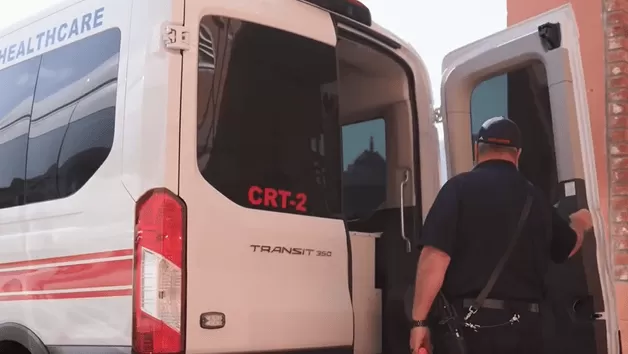
Beyond the Siren: OKC Fire Department's MIH Program Redefines Community Care
The Oklahoma City Fire Department is transforming how emergency services connect with the community through its Mobile Integrated Healthcare (MIH) program, offering proactive, patient-centered care right in residents' homes.
When we think of our local fire department, images of flashing lights, roaring engines, and brave responders rushing to emergencies often come to mind. And rightly so! They're always there in our most critical moments. But what if their role could extend beyond those immediate crises, delving deeper into proactive community well-being? Well, that's exactly what the Oklahoma City Fire Department (OKCFD) is pioneering with its Mobile Integrated Healthcare (MIH) program, and honestly, it’s quite a game-changer.
It’s no secret that emergency rooms often become the default option for individuals facing chronic health issues or lacking consistent primary care. This can strain resources, leading to longer wait times for true emergencies and, frankly, isn’t always the best or most efficient care pathway for the patients themselves. The MIH program steps in here, offering a vital bridge. Instead of just responding to a 911 call after a health crisis escalates, the OKCFD’s specially trained paramedics are now working to prevent those crises from happening in the first place.
Think about it: these aren't your typical emergency calls. Through MIH, paramedics visit patients in their homes, often those identified as frequent 911 callers or individuals with complex medical needs who might struggle to navigate the healthcare system. They're not just checking vital signs; they’re truly engaging. They're helping manage chronic conditions like diabetes or heart failure, ensuring medications are taken correctly, educating families on warning signs, and connecting patients with crucial community resources – everything from primary care physicians and mental health services to social support programs.
The beauty of this approach lies in its humanity and effectiveness. For the patient, it means consistent, compassionate care in a familiar setting, reducing the stress and inconvenience of repeated ER visits. It fosters a sense of trust and empowers them to take a more active role in their own health. For our emergency services, it means ambulances and emergency room staff are freed up to focus on the life-threatening situations they’re designed for, making the entire system more efficient and responsive.
What’s truly inspiring is seeing our first responders embrace this expanded role. They're leveraging their deep medical knowledge and their natural ability to connect with people, becoming vital navigators in a complex healthcare landscape. It’s a testament to their dedication, showing that their commitment to public safety extends far beyond putting out fires or treating acute injuries; it's about fostering a healthier, more resilient Oklahoma City, one patient, one home visit at a time. This kind of innovative thinking truly represents the future of community-focused emergency services, and it's something OKC can be incredibly proud of.
Editorial note: Nishadil may use AI assistance for news drafting and formatting. Readers can report issues from this page, and material corrections are reviewed under our editorial standards.