
Navigating the Complex Landscape of Parental Vaccine Hesitancy
- Nishadil
- September 30, 2026
- 0 Comments
- 4 minutes read
- 11 Views
- Save
- Follow Topic
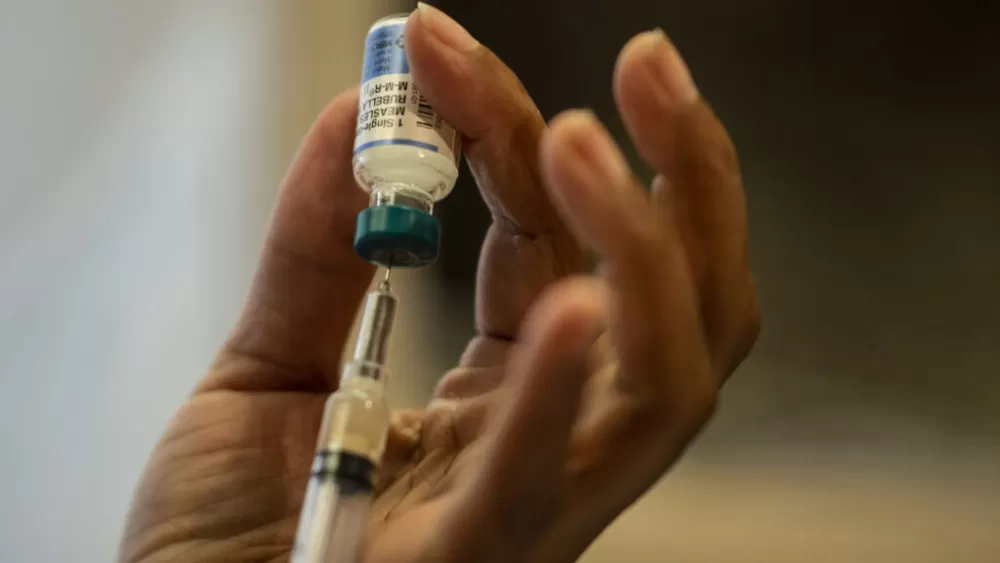
Unpacking Why Some Parents Are Hesitant About Childhood Vaccinations
Exploring the multifaceted reasons behind parental vaccine skepticism, from safety concerns to misinformation, and how healthcare providers can foster understanding and trust.
It’s a topic that stirs strong emotions and passionate debate: childhood vaccinations. For many, they represent a cornerstone of public health, a shield against once-terrifying diseases. Yet, for a growing number of parents, the decision to vaccinate their children isn’t always so straightforward. Understanding this rising tide of vaccine skepticism isn't about judgment; it's about digging into the very human concerns that drive these choices.
So, why are some parents holding back? Well, it’s rarely just one thing, but often a tapestry of interconnected worries. Many genuinely believe that diseases like measles or mumps aren't really a threat anymore, or at least not to their child. They might feel the potential negative side effects of a vaccine, however rare, simply outweigh the perceived minimal risk of contracting the disease itself. Then there's the natural instinct to protect one's child from anything "unnatural" – a hesitance to introduce what they see as "extra chemicals" into tiny bodies, particularly if they believe a healthy diet and lifestyle can offer sufficient protection.
Some parents express a deep-seated fear that multiple vaccines given all at once could overwhelm a child's developing immune system. This often leads to requests to space out vaccinations, thinking it reduces the safety risk, even when medical science suggests otherwise. And let's not forget the bigger picture: historical injustices, like the Tuskegee Syphilis Study, have created a lasting distrust in government and healthcare systems for some communities, influencing how they view modern public health campaigns, including vaccines. Beyond that, personal beliefs, religious convictions, and a simple desire for more comprehensive information from their healthcare providers all play a significant role. It's complex, you see.
In our hyper-connected world, parents are barraged with information from every angle. Misinformation and outright disinformation about vaccine safety and effectiveness spread like wildfire online, often amplified by social media and even celebrity endorsements. Remember how figures like Jenny McCarthy and, at times, President Donald Trump, weighed in on vaccine debates? This environment means that an internet "fact" or a compelling story shared within a social network can sometimes carry more weight than the advice of a trained expert. It’s a powerful shift: parents' fear has, in many cases, migrated from the infectious diseases themselves to the vaccine intended to prevent them – partly because successful vaccination campaigns have made those diseases seem like a distant memory.
This growing hesitancy isn't just a theoretical concern; it has tangible consequences. According to CDC data, parental vaccine hesitancy in the U.S. has notably increased, jumping from 19.8% in 2019 to 21% in 2022 for parents of children aged 5–11. More than half of U.S. states are currently falling below the Centers for Disease Control and Prevention's (CDC) recommended 95% vaccination coverage target for two doses of the MMR vaccine by kindergarten. And sadly, this decline in coverage isn't just a number; it translates directly into a concerning rise in outbreaks of vaccine-preventable diseases among children.
So, how do we bridge this gap? It really boils down to open, empathetic communication. Healthcare workers, from pediatricians like Dr. Rachel Orscheln at St. Louis Children's Hospital to pharmacists, are absolutely vital. They need to understand the why behind parental hesitancy, not just dismiss it. This means engaging in genuine dialogue, actively listening to concerns, and validating feelings while also unequivocally presenting accurate, numbers-driven facts.
For instance, when a parent worries about measles vaccination, a doctor can explain that the risk of a serious adverse event from the vaccine is incredibly low, perhaps one in a million. Contrast that with the grim reality that the chance of brain damage or death from measles itself is closer to one in a thousand. And here's a stark fact: unvaccinated children are 35 times more likely to contract measles in a community where it's spreading compared to their vaccinated peers. Sharing such clear, unbiased information, tailored to address specific fears, is crucial. It’s about building trust, aligning vaccination with a parent’s core desire to protect their child, and helping them make truly informed decisions.
Ultimately, navigating vaccine skepticism is a marathon, not a sprint. It demands patience, deep understanding, and a commitment to clear, empathetic communication from everyone in the healthcare community. By acknowledging parents' fears, addressing misinformation head-on with solid data, and fostering trust, we can collectively work towards safeguarding the health of all children.
Editorial note: Nishadil may use AI assistance for news drafting and formatting. Readers can report issues from this page, and material corrections are reviewed under our editorial standards.










