Nature's Fury Meets Human Ingenuity: Drones to the Rescue at a Chimp Sanctuary
- Nishadil
- November 08, 2026
- 0 Comments
- 3 minutes read
- 4 Views
- Save
- Follow Topic

High Waters, High Tech: How a Florida Chimp Sanctuary Used a Drone to Feed Its Apes Amidst Flooding
When severe floods isolated a Florida chimp sanctuary, staff turned to innovative solutions, including a delivery drone, to ensure their 200 apes, like Kaleb, received their daily 3,000 pounds of food.
Imagine, if you will, a vast 150-acre haven nestled near Fort Pierce, Florida – a place where 200 chimpanzees, rescued from various circumstances, live out their lives in peace. This is Save the Chimps, a remarkable sanctuary dedicated to the well-being of these incredible animals. But even in such a serene setting, nature, as it often does, can throw a formidable curveball, transforming tranquility into a challenging crisis almost overnight.
That's precisely what happened recently when torrential rainstorms absolutely deluged southeast and central Florida, turning the sanctuary's meticulously maintained internal roads into impassable waterways. From a Sunday through Tuesday, the heavens opened, and canals, usually well-behaved, overflowed their banks. Suddenly, the sanctuary's routine, which involves delivering a staggering 3,000 pounds of fresh food daily to its chimp residents via golf carts, ground to a halt. It wasn't just a minor inconvenience; it was an existential threat to the chimps' nourishment and the staff's peace of mind. What were they to do?
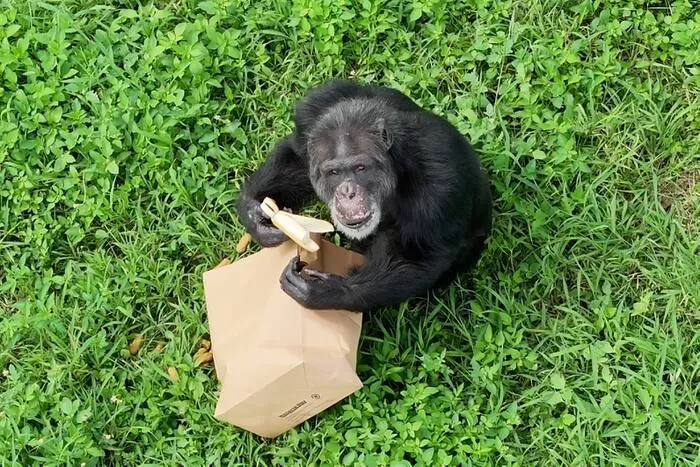
Enter the hero of our story, or at least, one of them: a delivery drone. Yes, you read that right. In a testament to modern ingenuity and a desperate need to reach their isolated charges, the team at Save the Chimps pulled out all the stops. Facilities Director Mark Yohannan, with an impressive blend of resourcefulness and determination, made sure this purchased drone became a lifeline. Can you picture it? A drone, whirring overhead, carrying vital supplies to an eager chimpanzee, perhaps even Kaleb, a 38-year-old resident who found himself momentarily cut off from his usual meal service. It's a vivid image, one that speaks volumes about the dedication here.
Ana Paula Tavares, the CEO, shared just how crucial these efforts were, especially as the waters began to recede, thankfully, by the following Saturday. But the drone wasn't the only solution. Oh no, the Save the Chimps team is nothing if not resourceful. Trucks, a tractor, and even a maintenance worker’s personal vehicle were pressed into service, navigating the still-treacherous, waterlogged paths. Some staff members, demonstrating incredible commitment, even stayed overnight on the property, ensuring round-the-clock care and readiness. This wasn't just a job for them; it was a calling.
And just when you thought it couldn't get any wilder, the floods brought with them another, distinctly Floridian, challenge: alligators. These scaly residents, displaced by the rising waters, started appearing in areas where they typically wouldn't, adding an extra layer of complexity and caution to the already demanding situation. It's a reminder of the wild heart of Florida, and how interconnected everything truly is when nature takes the reins.
In the end, this episode of flooding became a powerful story of resilience, innovation, and unwavering dedication. The team at Save the Chimps, faced with significant adversity, not only managed to feed all 200 of their beloved apes but did so with remarkable creativity and commitment. It’s a heartwarming tale, showing that when it comes to caring for those who depend on us, there’s truly no obstacle too great.
Editorial note: Nishadil may use AI assistance for news drafting and formatting. Readers can report issues from this page, and material corrections are reviewed under our editorial standards.