Nasdaq Dips into Correction as Political Shift Threatens AI Data Centers
- Nishadil
- November 06, 2026
- 0 Comments
- 4 minutes read
- 12 Views
- Save
- Follow Topic
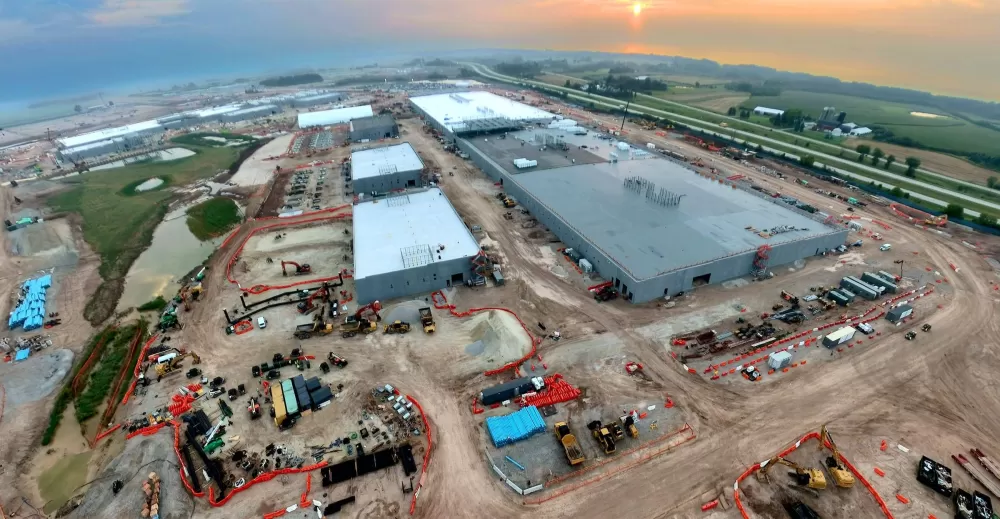
Wall Street Slides as Democratic Wins Spark Concerns for Data‑Center Projects; AI Giants Scramble
The Nasdaq fell 5% after Democrats swept the midterms, raising fears that new congressional policies could stall data‑center construction and dent AI‑related revenues.
The Nasdaq took a sudden tumble Thursday, dropping about 5.1% and officially stepping into correction territory. It wasn’t just a random market wobble – investors are looking at the fresh wave of Democratic victories and wondering how new legislative priorities might choke off the rapid expansion of data‑center projects that power today’s AI boom.
Across the street, the Dow slipped 2.1% (roughly 1,100 points) after enjoying its best day in a year and a half just a day earlier. The broader S&P 500 wasn’t spared either, sliding 3.2% as the Nasdaq’s decline added to a broader tech‑heavy sell‑off. In short, the market’s feeling the chill.
Companies that sit squarely in the “neocloud” niche – firms that buy massive chunks of AI compute and lease them out – were hit hard. CoreWeave slumped 14.6% and Nebius wasn’t far behind with an 18% drop. Pure‑play data‑center operators such as Iren and Applied Digital fell roughly 20% and 19.7% respectively, while equipment maker GE Vernova lost about 9%.
Even the AI heavyweights are scrambling. OpenAI, for instance, rolled out a “National Community Compact” on Thursday, promising tighter oversight on future data‑center builds. The pledge includes cutting power use during peak hours, sharing noise‑and‑water impact data, and setting local hiring targets – all meant to reassure nearby residents that they won’t be left holding the electric bill.
Meta’s president, Dina Powell McCormick, admitted at a recent Wall Street Journal tech summit that building new facilities is going to get "harder" now that the political winds have shifted. In fact, she hinted that some AI hyperscalers are already eyeing locations outside the United States as a hedge against potential regulatory roadblocks.
What’s behind the political angle? Exit polls from the midterms showed a surprising wave of voter opposition to data‑center siting. Across 50 referendums on the issue, 46 voted against new construction. The backlash is tied to local concerns – higher electricity costs, noise, water use, and a broader anxiety about the cost‑of‑living squeeze that dominated the election narrative.
Texas, a key battleground for data‑center capacity (it houses about a quarter of the nation’s planned sites), saw a dramatic swing. Democrat James Talarico won the Senate race, Gina Hinojosa unseated a three‑term Republican governor, and virtually every county tipped left. Analysts like Dan Ives of Yorkville Ives & Co warned that the growth rate for data‑center build‑outs could moderate sharply by 2028, especially if the new congressional map slows approvals.
UBS analysts estimate that roughly 30% of planned data‑center capacity could be put on hold if the slowdown continues. Meanwhile, companies are trying to keep doors open. OpenAI’s chief of global affairs, Chris Lehane, said the firm has been talking to community leaders in Georgia, Ohio and Texas for months, hoping the new compact will address their concerns before they become deal‑breakers.
In a twist of pragmatism, some newly‑elected officials are already signaling willingness to sit down with the industry. Powell McCormick relayed a conversation with a governor who, despite campaigning on pausing data‑center projects, told officials “we don’t want to lose these jobs in our town.” It’s a delicate dance – balancing local sentiment with the massive economic incentives that AI infrastructure promises.
For now, the market’s response is clear: caution. The Nasdaq’s dip reflects a broader unease that the political reality could reshape the AI landscape, at least in the near term. Investors will be watching closely to see whether the industry’s outreach efforts can smooth over the friction or if the slowdown will become a more permanent fixture in the tech‑heavy portfolio mix.
Editorial note: Nishadil may use AI assistance for news drafting and formatting. Readers can report issues from this page, and material corrections are reviewed under our editorial standards.