Mid‑air Panic: Passengers Recall Terrifying Flight That Was Forced to Turn Back
- Nishadil
- October 21, 2026
- 0 Comments
- 3 minutes read
- 4 Views
- Save
- Follow Topic
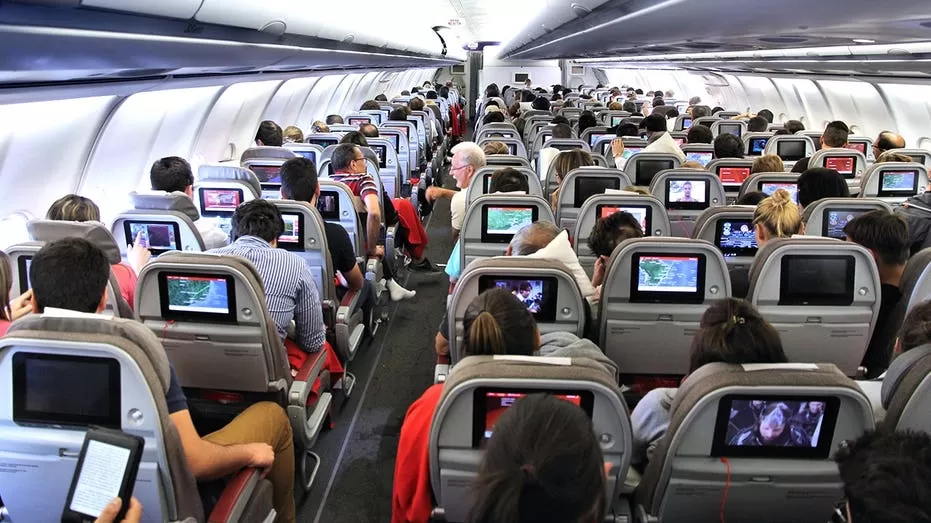
‘We’re going to die’: Travelers describe grinding noise, sudden jolt and oxygen masks dropping on an American Airlines flight that made an emergency landing in St. Louis
A routine flight from St. Louis to Philadelphia turned into a nightmare when a mysterious odor, a deafening rumble and a sudden jolt sent oxygen masks cascading, prompting an emergency return to the runway.
On the morning of October 17, a packed American Airlines 737‑800 rolled down the runway at St. Louis Lambert International Airport, bound for Philadelphia. Most passengers were scrolling on phones or sipping coffee, oblivious to the drama that would unfold just minutes later.
About five minutes after takeoff, a low‑frequency grinding sound began to echo through the cabin. “It felt like the plane was being dragged through sand,” recalled one traveler, still shaking his head. The noise grew louder, then stopped dead – a jarring silence that was immediately broken by a sharp jolt that tossed drink trays and startled everyone.
Within seconds, a faint, chemically‑like smell crept in, drifting from somewhere near the front of the aircraft. “It smelled like burnt plastic mixed with something metallic,” said a nervous mother traveling with her two kids. The cabin lights flickered, and the dreaded “ding‑ding‑ding” of the oxygen‑mask deployment system echoed overhead.
Cabin crew sprang into action, pulling down the masks and ushering passengers to secure them over their noses and mouths. “I thought we were about to crash,” whispered a man seated three rows behind the cockpit, his voice barely audible over the hum of the ventilation system.
Within minutes, the pilots declared an emergency and began the circuit back to St. Louis. The aircraft’s altitude dropped, the engines roared louder, and the feeling of unease deepened. Some passengers clutched their seats, others prayed, while a few tried to make light of the situation, joking that the airline had finally delivered the “adventure” they’d paid extra for.
Landing gear touched down safely at about 8:45 a.m., and emergency services were already on standby. Passengers were escorted off the plane, many still breathing through their masks, eyes wide with disbelief. “I could still feel the mask pulling on my face as we taxied,” one passenger recounted, “and the whole cabin smelled like a factory fire.”
Aviation analyst Gary Leff, who has spent years tracking in‑flight incidents, suggested the most likely culprit was a ruptured air‑conditioning pack that released contaminated fumes into the cabin. “When a pack fails, it can dump hot, oily air that triggers both the mask deployment and the odor alarms,” Leff explained. He added that such events, while rare, are taken very seriously by the Federal Aviation Administration.
The airline promptly grounded the aircraft for a thorough inspection. Officials said no injuries were reported, and all passengers received vouchers for future travel. The incident, however, left a lingering sense of vulnerability among those who experienced it.
“I’ve flown hundreds of times and never felt anything like that,” said a frequent flyer who chose to remain anonymous. “It makes you realize how fragile a flight can be, even when you’re 30,000 feet in the air.”
American Airlines issued a statement confirming that the flight returned safely, that the cause was under investigation, and that the safety of passengers remains the company’s top priority. The FAA announced it would conduct its own review, as standard procedure after any emergency mask deployment.
For now, the passengers who endured the mid‑air terror are left with a story that will probably be retold at family gatherings for years to come—complete with the dramatic line, “We thought we were going to die.”
Editorial note: Nishadil may use AI assistance for news drafting and formatting. Readers can report issues from this page, and material corrections are reviewed under our editorial standards.