Melatonin Use Tied to Sharp Rise in Heart Failure Risk, New Study Warns
- Nishadil
- September 06, 2026
- 0 Comments
- 2 minutes read
- 13 Views
- Save
- Follow Topic

Long‑term melatonin supplements may boost chance of congestive heart failure by almost double, research suggests
A recent American Heart Association analysis found people who take melatonin for a year or more face a 90% higher risk of developing heart failure, prompting calls for caution.
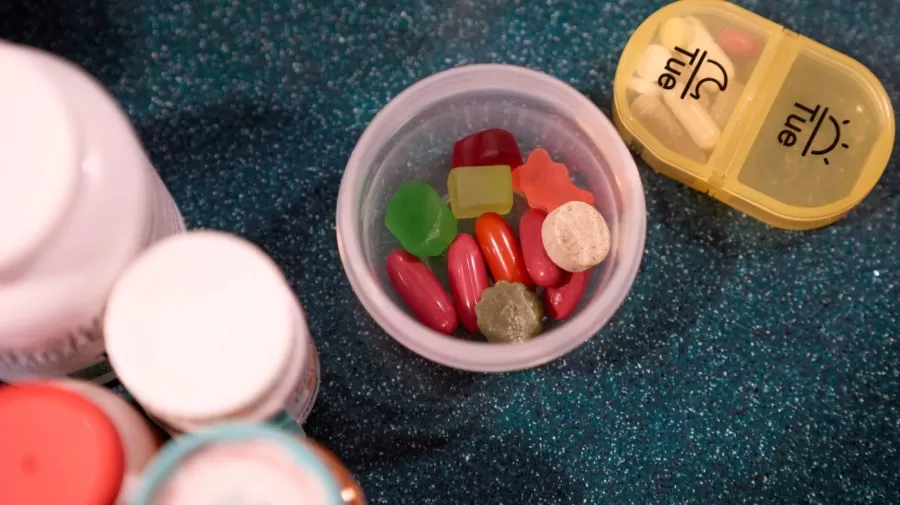
If you’re among the growing crowd that pops melatonin gummies before bedtime, you might want to hit pause on that nightly habit. A new analysis from the American Heart Association (AHA) has raised some red flags about the long‑term safety of this seemingly harmless sleep aid.
The researchers dug into a massive, anonymized health‑record database and compared two groups of chronic insomniacs. One group had been taking melatonin supplements for at least 12 months, while the other had been coping without any hormone‑based aid. Over the next five years, the “melatonin‑users” were nearly twice as likely to be diagnosed with congestive heart failure – 4.6% versus 2.7% in the control cohort.
That’s not the only worrying stat. When the team looked at hospitalizations, they saw melatonin users ending up in the ER for heart‑failure‑related issues at a rate of 19.0%, compared with just 6.6% for non‑users – roughly a 3½‑fold increase.
“Melatonin supplements are widely thought of as a safe and ‘natural’ option to support better sleep, so it was striking to see such consistent and significant increases in serious health outcomes,” said lead author Ekenedilichukwu Nnadi, chief resident in internal medicine at SUNY Brooklyn. He added that the findings held up even after the analysis accounted for a host of other risk factors.
It’s important to note that this wasn’t a randomized clinical trial. The study relied on observational data, which means we can’t prove melatonin directly causes heart failure – only that there’s a strong association. Still, the numbers are hard to ignore.
Experts say the take‑away is simple: if you’re reaching for melatonin night after night, consider talking to your doctor about alternative sleep strategies. Cognitive‑behavioral therapy for insomnia (CBT‑I), improved sleep hygiene, or even short‑term prescription options might be safer in the long run.
“If our study is confirmed, this could affect how doctors counsel patients about sleep aids,” Nnadi warned. Until more definitive trials are done, the precautionary principle suggests we treat melatonin with a bit more respect than we usually do.
So before you toss the gummies in the trash, maybe give your sleep routine a quick audit. A few lifestyle tweaks could spare you a future trip to the cardiology ward.
Editorial note: Nishadil may use AI assistance for news drafting and formatting. Readers can report issues from this page, and material corrections are reviewed under our editorial standards.