Blinkit Sets Sights on 5,000 Stores by 2028 – Will Smaller Indian Cities Power the Next Quick‑Commerce Surge?
- Nishadil
- October 22, 2026
- 0 Comments
- 3 minutes read
- 9 Views
- Save
- Follow Topic
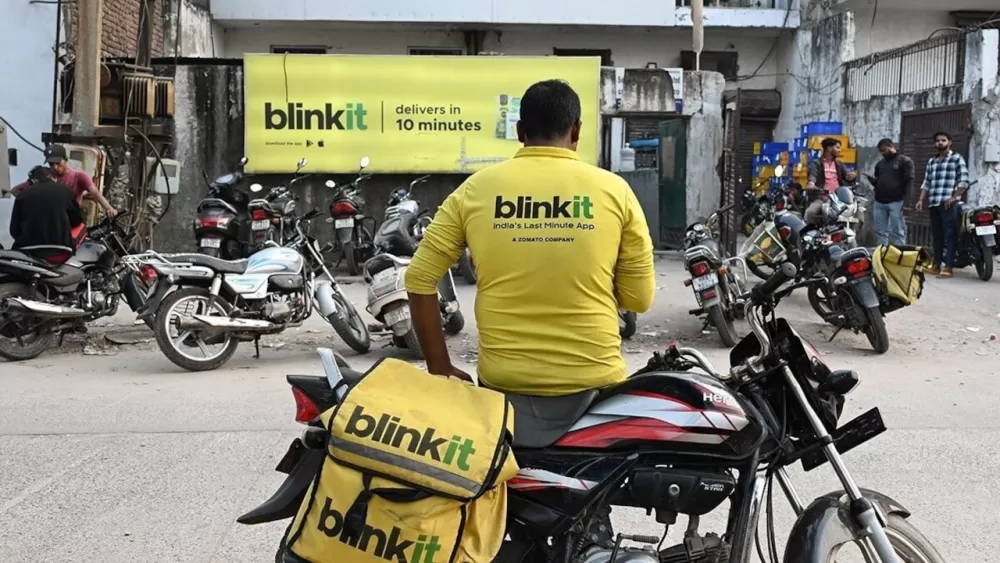
Blinkit’s ambitious roll‑out targets 5,000 outlets, betting on tier‑2 and tier‑3 towns to match metro demand.
Blinkit plans to expand to 5,000 stores by March 2028, arguing that demand in smaller Indian cities is stronger than previously thought and that a robust supply‑chain can make it work.
When Blinkit’s CEO Albinder Dhindsa unveiled the new expansion blueprint, the headline was unmistakable – 5,000 stores by March 2028. It sounds huge, almost cinematic, but the real story lies in the quieter towns that sit outside Delhi, Mumbai and Bengaluru.
In its latest quarterly filing, Blinkit said it will cross the 3,500‑store mark by March 2027, up from 2,751 stores at the close of FY27 Q2. That’s a faster‑than‑expected climb, and the company is pinning a big chunk of that growth on smaller cities – the tier‑2 and tier‑3 markets that have, until now, been written off as too thin on basket size or customer density.
Dhindsa insists the data tells a different tale. New outlets in these towns are hitting around 1,000 orders a day, sometimes even quicker than fresh metro stores. Net average order values hover at 85‑90 % of those in big cities, and repeat‑purchase rates look almost identical. What’s surprising is the mix of products: premium drinks, branded diapers and even gaming consoles are finding a home in places people once assumed were “low‑spend”.
Why does this matter? For years, organized retail in India has left a gap – consumers in smaller cities often have to choose between a narrow local stock or waiting days for an online delivery. Blinkit believes it can bridge that gap, offering a broader assortment at competitive prices, delivered in minutes. That promise, however, isn’t just about marketing; it hinges on building a supply‑chain that can move goods efficiently across a more spread‑out geography.
The logistical challenge is real. In metros, a dense network of warehouses and riders makes “under‑an‑hour” deliveries feel natural. Replicating that in places where the population is scattered and order volumes modest requires new first‑mile solutions. Blinkit is already sourcing directly from brand warehouses, feeding into regional “mother” hubs that then supply the local micro‑stores. It’s a costly exercise, but Dhindsa argues that mastering this could become a competitive moat.
Profitability, the ever‑present spectre, seems to be slowly widening its footprint. The firm reported adjusted EBITDA margins above 5 % in its mature cities, and roughly 96 % of net order value comes from markets that are contribution‑positive. Still, the numbers don’t guarantee every new store will hit the same sweet spot; some smaller towns may simply be too small to sustain the model at scale.
Alongside the store push, Blinkit is swelling its catalogue. In Delhi‑NCR alone, SKUs jumped from about 80,000 in Q4 FY26 to roughly 100,000 now. The expansion isn’t limited to adding more brands within existing categories; the firm is eyeing new verticals, from larger appliances to delicate high‑value items. Those categories bring added complexity – think special storage, handling, returns – but they also hold the promise of higher ticket sizes.
In the bigger picture, Blinkit’s roadmap hints at the next frontier for quick‑commerce in India: moving beyond the “dense‑city” playbook and proving that speed and profitability can coexist in smaller markets. Whether the 5,000‑store goal will be met remains to be seen, but the company’s disciplined approach – expanding where data supports demand, while tightening supply‑chain muscles – could set a template for the whole sector.
Editorial note: Nishadil may use AI assistance for news drafting and formatting. Readers can report issues from this page, and material corrections are reviewed under our editorial standards.