Ann Arbor Takes a Stand: Glue Mouse Traps Outlawed in Michigan City
- Nishadil
- October 21, 2026
- 0 Comments
- 4 minutes read
- 11 Views
- Save
- Follow Topic
City Council Votes to Ban Inhumane Glue Traps After Community Outcry
Ann Arbor's council has officially prohibited the sale and use of glue mouse traps, citing animal cruelty concerns and pushing for humane pest‑control alternatives.
In a move that’s stirring quite a bit of conversation around the Midwest, the Ann Arbor City Council voted this week to ban the sale, distribution, and use of glue mouse traps. The decision didn’t come out of the blue – it’s the result of months‑long petitions, heated town‑hall meetings, and a growing awareness of how brutal those sticky snares can be.
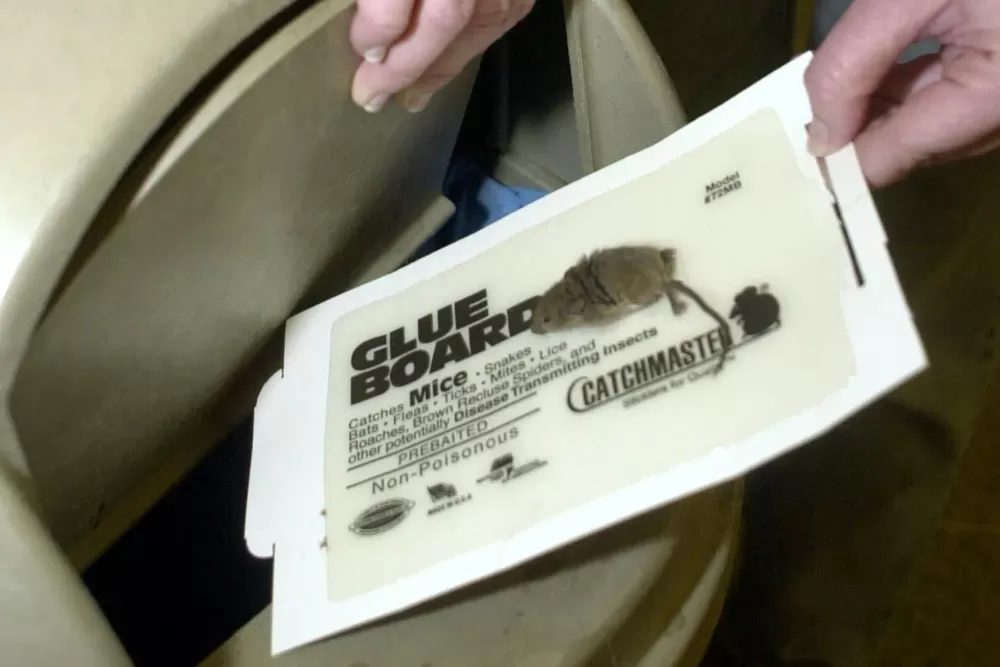
At first glance, a glue trap might seem like an innocent little gadget: a thin cardboard backing coated with a tacky adhesive that supposedly catches rodents without a squeal. But residents who’ve seen the traps in action describe a very different picture. Mice, and sometimes even harmless critters like shrews or small birds, get stuck, their limbs splayed, unable to free themselves. It’s a slow, distressing death that many argue crosses the line from pest control into cruelty.
“I was horrified the first time I saw a mouse struggling on a glue pad,” says local activist Jenna Moore, who helped spearhead the campaign. “It’s not just a mouse; it’s a living being. We shouldn’t be okay with that.” Moore, along with a coalition of animal‑rights groups and concerned neighbors, gathered signatures on a petition that eventually amassed over 3,000 names. They presented their case to the council, highlighting not only the ethical concerns but also pointing out that there are more humane alternatives – live‑catch traps and exclusion methods that don’t involve suffering.
The council’s vote was close, 5‑4 in favor of the ban. The ordinance now makes it illegal for any retailer in Ann Arbor to stock glue traps, and it also prohibits residents from purchasing them for home use. Violators could face fines up to $500, a figure set to encourage compliance rather than punish harshly.
Mayor Christopher Taylor, who signed the ordinance into law, emphasized the city’s broader commitment to animal welfare. “Ann Arbor has always prided itself on being a compassionate community,” he said at the press conference. “This ban aligns with our values and shows that we’re willing to take concrete steps, even on something as seemingly small as pest control.”
Local hardware stores have already begun pulling the products from shelves. One shop owner, Mark Henderson, admitted the transition was “a bit of a headache,” but he’s now stocking snap traps and humane live‑catch cages instead. “Customers seem to understand,” Henderson added, “and many are actually asking for the kinder options now that they know they’re available.”
Critics of the ban argue that glue traps are cheap and effective, especially for renters who can’t invest in more expensive equipment. They warn that the new rules might push people toward less safe methods, like poison. However, the council has paired the ban with a public‑education campaign, offering free workshops on how to set up humane traps and seal entry points.
It’s too early to say how much of an impact the ordinance will have on rodent populations in the city, but early indicators suggest a shift in mindset. Neighborhoods that once stocked glue traps are now posting flyers about humane methods, and the local pest‑control industry is adapting to the new demand.
Ann Arbor isn’t the first place in the United States to take this step – cities like Seattle and San Francisco have enacted similar bans. What’s notable here is the grassroots nature of the movement, a reminder that ordinary citizens can drive policy change when they care enough to speak up.
So, if you’re living in or visiting Ann Arbor and you happen to spot a mouse, you’ll now find a different set of tools at the local store – ones that aim to catch without cruelty. It’s a small but meaningful victory for animal‑rights advocates, and it might just set a precedent for other Midwestern towns still using the sticky approach.
Editorial note: Nishadil may use AI assistance for news drafting and formatting. Readers can report issues from this page, and material corrections are reviewed under our editorial standards.