Market Meltdown: A Brutal Rout Shakes Global Equities
- Nishadil
- November 06, 2026
- 0 Comments
- 4 minutes read
- 8 Views
- Save
- Follow Topic
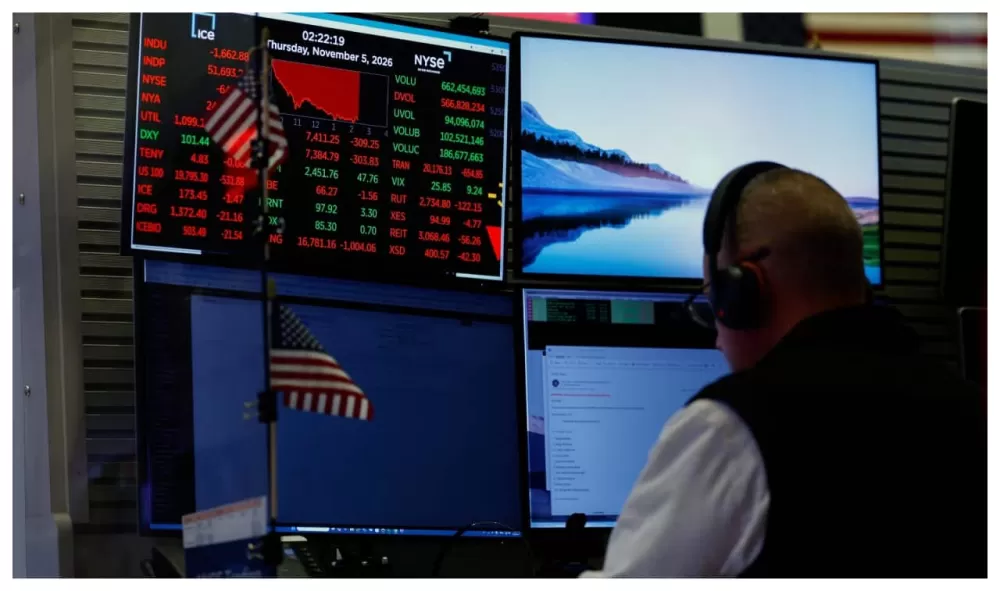
Navigating the Storm: Why Investors Are Finding No Safe Haven in Today's Volatile Markets
The stock market is reeling from its worst downturn since 2020, leaving investors grappling with widespread losses and a pervasive sense of uncertainty. This article explores the depth of the rout and its impact.
There’s a palpable sense of unease hanging over the financial markets these days, isn't there? What we’re currently witnessing isn't just a slight dip or a minor correction; it feels like a full-blown onslaught. Many seasoned observers are already calling it the most brutal market rout we’ve experienced since the chaotic days of early 2020. And honestly, it’s hard to argue with that assessment. It’s a period where investors, both big and small, are finding themselves in a rather uncomfortable position, looking for a place to shelter their capital, only to discover that traditional havens are proving surprisingly elusive.
The sheer breadth of this downturn is what makes it particularly jarring. Usually, when one sector struggles, another might offer some stability, or perhaps bonds could act as a trusty anchor. But not this time, it seems. From high-flying tech giants to seemingly resilient industrial stalwarts, very few corners of the equity market have managed to escape the relentless selling pressure. It’s almost as if the market has decided to pull the rug out from under everyone simultaneously, creating a truly disorienting landscape for even the most experienced portfolio managers.
So, what’s really fueling this pervasive gloom? Well, a confluence of factors, as always, is at play. We’ve got inflation, stubborn and persistent, refusing to be tamed, which has naturally prompted central banks globally to hike interest rates aggressively. And let's not forget the ever-present specter of geopolitical tensions, casting long shadows over global supply chains and consumer confidence. Throw in growing fears of an impending economic slowdown, or even a recession, and you’ve got a potent cocktail for market anxiety. It's a classic case of bad news compounding bad news, creating a downward spiral that feels, frankly, a bit overwhelming.
For the everyday investor, this kind of volatility can be incredibly taxing, emotionally speaking. Watching portfolio values shrink, sometimes by significant percentages, can trigger a very primal urge to simply cut losses and run. The fear of missing out (FOMO) has, for many, been replaced by a much stronger fear of staying in (FOSI), if you will. It’s a testing time, requiring immense discipline and a long-term perspective, which, let’s be honest, is easier said than done when the headlines are screaming doom and gloom and your investment statements are flashing red.
Looking back, market downturns like this aren’t entirely new; they’re an unfortunate, albeit cyclical, part of investing. What often follows these periods of intense capitulation is a search for a bottom, a point where enough negativity has been priced in that things can finally begin to stabilize. But identifying that exact moment? Ah, that's the million-dollar question, isn't it? Investors are now keenly watching for any signs of inflation cooling, central banks potentially softening their hawkish stance, or a clearer economic outlook. Until then, caution remains the watchword.
Ultimately, while the current market landscape feels incredibly challenging and at times, utterly merciless, it’s crucial to remember that markets are dynamic. They move in cycles. This isn’t to diminish the very real pain many are feeling right now, but rather to acknowledge the historical pattern of eventual recovery. The path ahead might be bumpy, filled with continued uncertainty, but understanding the forces at play and maintaining a disciplined approach will undoubtedly be key to weathering this storm and emerging stronger on the other side. It’s a tough lesson, certainly, but one that history keeps teaching us.
Editorial note: Nishadil may use AI assistance for news drafting and formatting. Readers can report issues from this page, and material corrections are reviewed under our editorial standards.