Malabar Spinach (Poi Saag): A Green Powerhouse for Digestion, Bones & Immunity
- Nishadil
- October 20, 2026
- 0 Comments
- 3 minutes read
- 7 Views
- Save
- Follow Topic
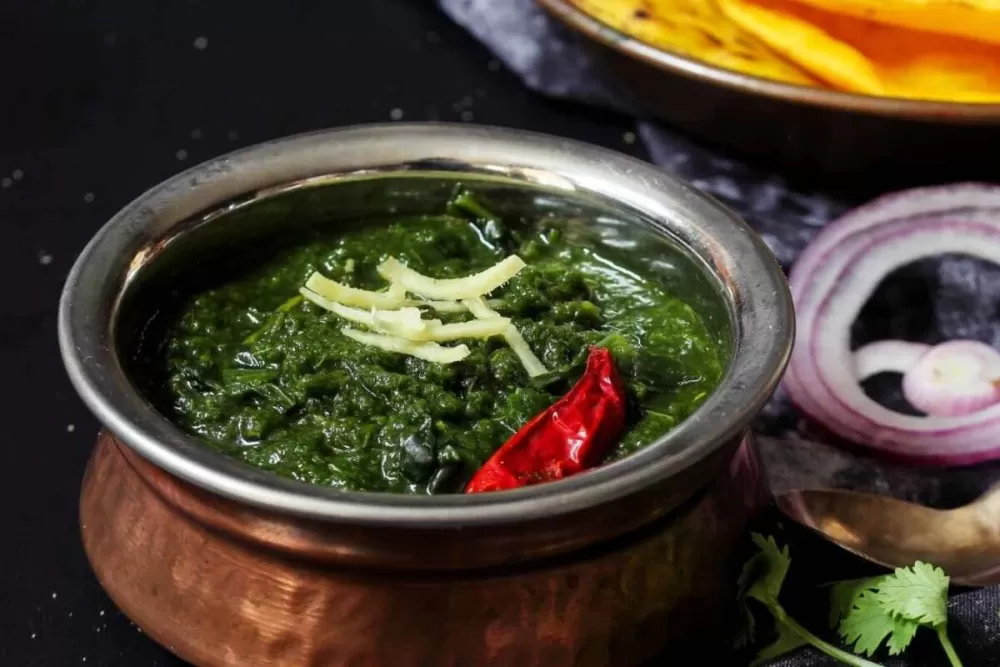
Why This Lesser‑Known Leafy Green Deserves a Spot on Your Plate
Discover how Malabar spinach—known as Poi Saag—can boost digestion, strengthen bones, and supply antioxidants, all while keeping meals light and flavorful.
When most people think of leafy greens they picture the usual suspects—spinach, kale, fenugreek. Yet in kitchens across coastal India a different, glossy‑green wonder quietly thrives: Malabar spinach, or Poi Saag. Its thick, succulent leaves may look like a cousin of ordinary spinach, but nutritionally they’re a world apart.
First off, Poi Saag is a champion of dietary fibre. A modest cup of cooked leaves delivers enough roughage to keep the digestive train running smoothly. Think of fibre as the gentle broom that sweeps the gut, preventing constipation and supporting regularity. Pair it with a glass of water, and you’ve got a simple, low‑effort way to nurture your stomach.
Beyond fibre, this green is packed with minerals that many of us skim over in daily meals. Calcium and magnesium are present in appreciable amounts, making Poi Saag a friendly ally for bone health. While it’s not a replacement for dairy or fortified foods, sprinkling it into a dal or a stir‑fry adds a mineral boost that, together with vitamin D and a bit of movement, helps keep our skeletons sturdy.
Iron lovers will also smile at Poi Saag’s profile. The iron it offers is non‑heme, meaning it’s better absorbed when you eat it alongside vitamin C‑rich foods—think a squeeze of lemon over a sautéed leaf. This little trick can make a noticeable difference, especially for those who follow vegetarian diets.
Antioxidants? Absolutely. The vibrant green hue comes from carotenoids and flavonoids that act like tiny bodyguards, shielding cells from oxidative stress. Regular consumption may translate into reduced inflammation and a modest lift to overall immunity—nothing magical, but a pleasant, everyday advantage.
For anyone watching the waistline, Poi Saag is practically guilt‑free. It’s low in calories and high in water content, so you can enjoy a generous portion without fearing a calorie spike. A quick toss with garlic, a drizzle of mustard oil, and a pinch of salt makes a delicious side that fills you up while staying light.
Cooking tips are simple: wash the leaves thoroughly under running water to ditch any soil remnants, then cut them into bite‑size pieces. A brief sauté or a gentle simmer in a lentil broth preserves most of the nutrients; overcooking can dull the flavor and leach some vitamins.
One caveat: the mineral richness means folks with certain kidney conditions or those on potassium‑restricted diets should check with a healthcare professional before making Poi Saag a daily staple. A little prudence goes a long way.
All told, Malabar spinach is a versatile, nutrient‑dense green that slides effortlessly into soups, curries, or even fresh salads. Its blend of fibre, minerals, and antioxidants makes it a modest yet valuable player in a balanced diet. So next time you’re at the market, give Poi Saag a try—you might just discover a new favorite.
Editorial note: Nishadil may use AI assistance for news drafting and formatting. Readers can report issues from this page, and material corrections are reviewed under our editorial standards.