
Mainstream News Anchors Sound Alarm on an Impending AI Bubble Burst
- Nishadil
- October 11, 2026
- 0 Comments
- 2 minutes read
- 19 Views
- Save
- Follow Topic
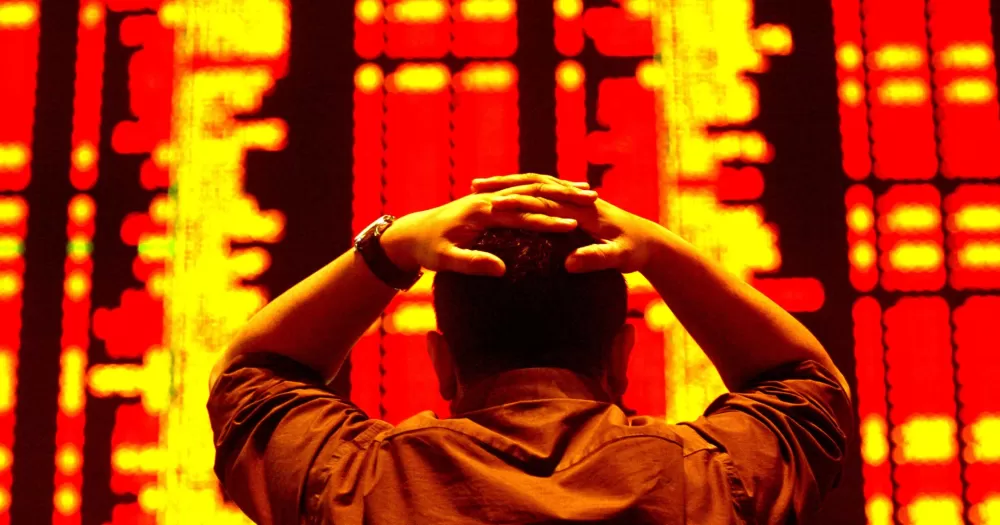
TV News Anchors Now Predict the AI Boom Could Crumble Within the Next Two Years
After OpenAI missed its revenue target, Bloomberg TV brought in analyst Joachim Klement, who warned that the AI investment frenzy may be headed for a sharp correction.
When OpenAI announced it would fall short of its annual revenue goal by roughly $20 billion, the Nasdaq trembled – dropping about 1.25 % before rallying back to near‑record levels the next day. The quick swing was a stark reminder that the AI spending surge is far more fragile than many investors would like to admit.
That nervous energy seemed to prompt Bloomberg TV’s daily program Open Interest to invite Joachim Klement, a managing director at Panmure Liberum, onto the set. Klement isn’t exactly a cheerleader for the sector; in May he wrote for Reuters that the real question isn’t if the AI boom will end, but what will happen to markets when it does.
During the live interview, Klement didn’t mince words. “My core conviction is that the AI bubble will either burst in 2027 or 2028,” he told anchor Dani Burger. He argues the bubble is built on the wrong kind of technology – massive, data‑center‑hungry frontier language models – while the next wave will likely be tiny, open‑weight models that run on ordinary desktop computers.
“We’re over‑investing in data centers,” he added, “and the earnings people are banking on simply won’t materialise.” When Burger pressed about the trillions slated for new data‑center infrastructure, Klement replied that the demand basically hinges on a handful of companies like OpenAI and Anthropic. Strip those out, and there’s barely any justification for the trillion‑dollar spend the hyperscalers are planning.
The outlook is gloomier than most headlines suggest. The U.S. economy has become entwined with the data‑center boom; a slowdown in AI spending could ripple across the entire supply chain, not just the tech elite.
“Two months ago I thought the bubble could easily last another two years,” Klement reflected. “Now I just need to see growth plans revised downwards – that alone would flip the earnings picture for almost every player in the ecosystem.”
Whether the bubble bursts quietly or erupts dramatically remains to be seen, but the fact that mainstream anchors are now raising the alarm is a signal you can’t ignore.
Editorial note: Nishadil may use AI assistance for news drafting and formatting. Readers can report issues from this page, and material corrections are reviewed under our editorial standards.










