
Diwali Muhurat Trading Ends in the Red: Sensex Below 81,000, Nifty Slides Near 50 Points
- Nishadil
- November 09, 2026
- 0 Comments
- 2 minutes read
- 17 Views
- Save
- Follow Topic
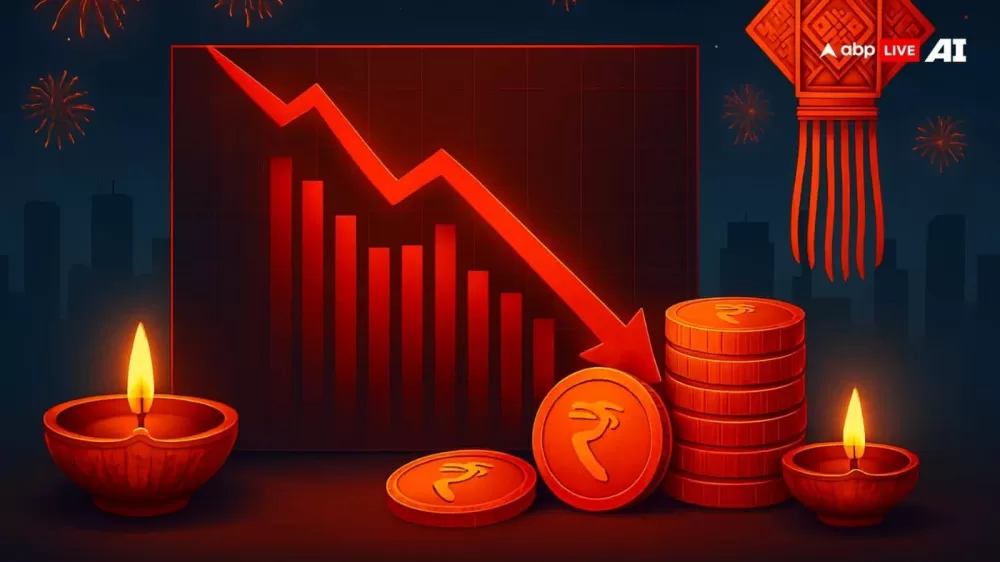
Indian equity markets close the auspicious Muhurat session on a sour note as IT, banking and financial stocks pull back
The special Diwali trading session saw the Sensex slip to 80,999 and the Nifty50 drop to 24,986, driven by selling pressure in tech and finance shares. Traders blended traditional puja with digital devices, reflecting a cultural‑tech mash‑up.
On the evening of November 8, the Mumbai stock exchange wrapped up the much‑anticipated Muhurat trading session in the red. At 3:30 p.m. IST the Sensex lingered at 80,999.40, off by 28.62 points (‑0.04 %), while the Nifty 50 slipped to 24,986.40, down 43.95 points (‑0.18 %).
The decline wasn’t dramatic, but it was enough to wipe out the modest gains the indices had booked earlier in the day. The biggest culprits? A bout of selling in information‑technology stocks and a modest pull‑back in banks and financial‑services shares, which together dampened the overall market mood.
For many traders, this wasn’t just any ordinary trading day. Muhurat trading, held on the first day of the new Hindu calendar year, is steeped in tradition. It’s a time when market participants perform a special puja, seeking the blessings of Lakshmi, the goddess of wealth, and Ganesha, the remover of obstacles. This year, the ritual was a little more high‑tech.
Across cities, from bustling Delhi to smaller towns, traders placed their traditional ledgers side‑by‑side with iPads, laptops and smartphones, bowing to both paper ledgers and glowing screens. The Confederation of All India Traders (CAIT) has been urging merchants to honor this blend of old and new for a few years now, and the scene on Diwali night made that message crystal clear.
The ceremonial ceremony in New Delhi, hosted by CAIT’s secretary‑general and MP Praveen Khandelwal, featured Vedic chants, floral garlands and earthen lamps. A striking centerpiece—a statue of a classic Indian shopkeeper clutching a laptop—symbolised the ongoing digital transformation of Indian commerce.
Among the deities worshipped, Lord Hanuman held a special place. Revered as “Sankat‑mochan” (the remover of troubles), his presence was a reminder for traders to safeguard home‑grown businesses against the growing tide of foreign retail entrants, especially after recent relaxations in foreign direct investment rules.
In short, while the numbers pointed downwards, the session highlighted a broader narrative: Indian markets are evolving, but they still cling to the rituals that give them a cultural anchor. Whether the next trading day will see a rebound remains to be seen, but the spirit of optimism – bolstered by a dash of tech‑savvy devotion – certainly wasn’t lost.
Editorial note: Nishadil may use AI assistance for news drafting and formatting. Readers can report issues from this page, and material corrections are reviewed under our editorial standards.


