King Charles Marks the 60th Anniversary of Aberfan – A Village’s Pain Still Echoes
- Nishadil
- October 22, 2026
- 0 Comments
- 4 minutes read
- 9 Views
- Save
- Follow Topic
Royal family pays tribute as Wales remembers the 1966 mining disaster that stole a generation of children
Six decades after a waste tip crushed Pantglas Junior School, King Charles III, Queen Camilla and Prince William join survivors in Aberfan to honor the 144 victims and reflect on the unresolved legacy.
On the morning of 21 October 2026, the royal family travelled to the tiny Welsh village of Aberfan, a place still haunted by a disaster that unfolded on the same date sixty years earlier.
King Charles III, Queen Camilla and the Prince of Wales stood shoulder‑to‑shoulder with survivors, many of whom had never left the hill‑top. The King placed a wreath in the memorial garden, Prince William did the same, and the Queen laid a simple posy – gestures that felt both solemn and painfully human.
“We have heard stories of heartbreak, but also of heroism,” Charles said, his voice catching a little. “We have heard of the most agonising grief, but also of the most inspiring grace.” A quiet pause followed, as if the words themselves needed a breath.
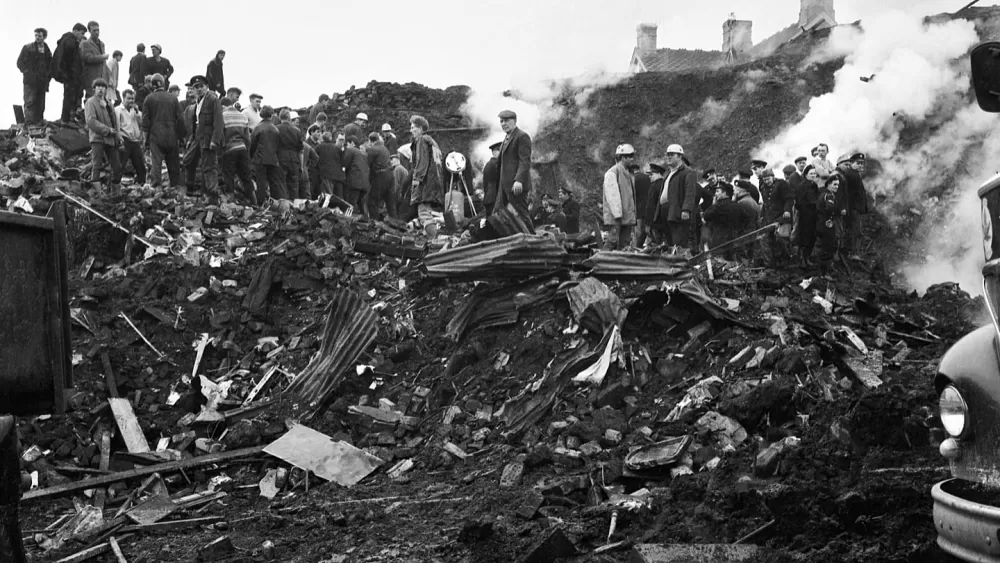
For those who weren’t born when the tip of coal waste gave way in 1966, the tragedy can feel abstract. Yet the reality was brutal: a mound of soggy spoil – some 100,000 cubic metres – surged down the hillside at 9:15 a.m., crushing Pantglas Junior School and the houses below. 116 children, 28 adults and a total of 144 lives were lost. The last child was pulled from the debris at 11 a.m.; the scene was an unspeakable nightmare.
Aberfan was a coal‑mining community, and the waste heaps had been a part of daily life for decades. Earlier slides in 1944 and 1963 gave warning signs, but the National Coal Board (NCB) – the state‑run body that ran Britain’s mines – ignored them. When the 1966 tip collapsed, it became a stark illustration of that neglect.
In the weeks that followed, the British government set up a tribunal led by Lord Justice Edmund Davies. Its August 1967 report left no doubt: “Blame for the disaster rests upon the National Coal Board.” The verdict forced the first systematic inventory of every NCB tip, a painful but necessary audit.
Across the world, people sent money to help the grieving village. The disaster fund swelled to £1.75 million (about €2.08 million). Yet the story of that money is as tangled as the spoil itself. In 1968 Prime Minister Harold Wilson ordered £150,000 of the fund to be handed over to the government for the removal of the remaining tips – a move that many saw as a betrayal.
It took almost thirty years before the money was finally returned. In 1997, Ron Davies, then minister for Wales, repaid the sum, and later the Welsh Government added another £2 million for local charities. Even the payout process was fraught – the Charity Commission tried to block payments unless trustees could prove each parent had been “close” to the child who died. The trustees pushed back, insisting the families deserved support regardless.
When King Charles and his family arrived, a minute’s silence was observed nationwide at exactly 9:15 a.m., the instant the tip gave way. Across Wales, schools, offices and living rooms fell still, a collective breath held in remembrance.
The day ended with a lingering sense that the wounds have not fully healed. The disaster fund, the compensation battles, and the very soil of Aberfan still whisper questions about accountability and justice. Yet the ceremony also highlighted resilience – a community that, despite losing an entire generation, continues to rebuild, teach, and remember.
As the royal party departed, the hill that once buried Pantglas still loomed, now quieter but never forgotten. The memory of those 144 souls, especially the 116 children, remains a stark reminder that safety, transparency and compassion must never be taken for granted.
- News
- UnitedKingdom
- Top
- TopNews
- Ukraine
- France
- Russia
- Coal
- Ireland
- Iceland
- Denmark
- Sweden
- KingCharlesIii
- Germany
- Switzerland
- Belgium
- Italy
- Spain
- Poland
- Romania
- Greece
- Slovenia
- Disaster
- Montenegro
- BosniaAndHerzegovina
- Cyprus
- Albania
- Malta
- Macedonia
- Moldova
- SanMarino
- Netherland
- Hungary
- Austria
- Norway
- Portugal
- Serbia
- Bulgaria
- CzechRepublic
- Latvia
- Lithuania
- Slovakia
- Andorra
- Kosovo
- Liechtenstein
- Finland
- Monaco
- Vatican
- Belarus
- Estonia
- Luxembourg
- Croatia
- RoyalTribute
- DisasterFund
- Aberfan
- WelshMiningDisaster
- NationalCoalBoard
- 1966Tragedy
- PantglasJuniorSchool
- WelshMemorial
Editorial note: Nishadil may use AI assistance for news drafting and formatting. Readers can report issues from this page, and material corrections are reviewed under our editorial standards.