Kerala’s Fight Against Breast Cancer: Early Detection, Screening, and Affordable Care
- Nishadil
- October 22, 2026
- 0 Comments
- 5 minutes read
- 7 Views
- Save
- Follow Topic
Breast Cancer Awareness Month: What Kerala Is Doing to Save Women’s Lives
During October’s Pink Month, Kerala rolls out a three‑tiered screening plan, expands treatment facilities and promises affordable care so that no woman has to face late‑stage breast cancer alone.
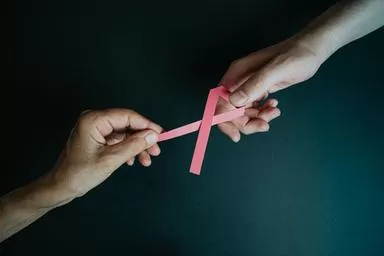
Every October, the pink ribbons flutter across Kerala’s streets, clinics and homes, reminding everyone that breast cancer is not a distant threat but a reality that can be caught early if we look out for the signs. The state’s health department has turned this symbolic month into a concrete mission: no woman should miss an early warning, no early tumour should slip through the cracks, and no patient should be forced to endure a late‑stage diagnosis.
Globally, the numbers are stark. In 2024 the World Health Organization’s GLOBOCAN database recorded roughly 2.4 million new breast‑cancer cases and almost 694 000 deaths. Breast cancer tops the list of cancers in women worldwide, making up about a quarter of all female cancers. Yet, when you look at mortality, it sits fourth – a reminder that early detection truly saves lives.
India’s own picture is sobering. Breast cancer now tops the cancer chart with 15.2 % of all cancers, edging out oral and lung cancers. Among women, the figure jumps to 30.4 %. The grim part? While Western nations boast a five‑year survival rate north of 90 %, India lags at 65‑70 % mainly because more than 60 % of cases are discovered at an advanced stage.
Kerala mirrors this trend, but with its own nuances. According to the 2026 cancer‑burden profile compiled by ICMR‑NINE, breast cancer accounts for 17.5 % of all cancers in the state and a striking 34.4 % among women. Higher life expectancy and a generally proactive attitude toward health explain part of the high incidence. Still, the survival data is a wake‑up call: stage‑I patients enjoy a 98.2 % five‑year survival, stage‑II drops slightly to 96.8 %, but by stage‑III it falls to 88.6 % and plummets to 67.3 % at stage‑IV.
What does this mean for the everyday Keralite woman? It means the earlier we catch the disease, the better the odds – and the state has drawn a clear road‑map to make that happen.
Three‑pronged screening, the Kerala way
First, self‑breast examination (SBE) is encouraged for every woman over twenty. Yes, it sounds simple, but the habit of monthly checks can spot a lump before anyone else does. Second, trained health‑workers perform clinical breast examinations (CBE) for women in their thirties – a quick, inexpensive check that can catch abnormalities that self‑exams miss. Finally, women aged forty and above are offered mammography, the gold‑standard imaging tool. The state has equipped most district and general hospitals, plus several taluk‑level centres, with digital mammography units, ensuring the technology is not limited to big cities.
The treatment side has kept pace. Protocols follow international guidelines and are overseen by Kerala’s quaternary cancer hubs – the Regional Cancer Centre in Trivandrum, Malabar Cancer Centre, and Cochin Cancer Care Centre. Radiotherapy units, some of them state‑of‑the‑art, now operate not only in these centres but also in older medical colleges and even the General Hospital in Ernakulam and the Nalloornad Tribal Hospital in Wayanad.
Chemotherapy has been decentralised, too. Twenty‑eight district and taluk hospitals now dispense chemo, reducing the travel burden on patients from remote villages. Robotic surgery, once a futuristic buzzword, is already functional at RCC and MCC, with plans for a robotic suite at Trivandrum Medical College underway.
Affordability remains a cornerstone of the initiative. The Oommen Chandy Health Insurance scheme, announced in the recent budget, aims to cover even late‑stage cancers. While the exact package details are still being ironed out, the scheme will sit alongside the existing Ayushman Bharat and the Karunya Arogya Suraksha Padhathi, which together can provide up to ₹5 lakh per year for eligible families.
Medicine prices are a national issue, but Kerala sidesteps the problem by bulk‑purchasing anticancer drugs through the Keralam State Medical Services Corporation Limited. This approach not only stabilises costs for government hospitals but also ensures a steady supply chain for patients who need life‑saving pills.
Risk factors still matter. Non‑modifiable elements – genetics, early menarche, late menopause, and a strong family history – play a big role. Lifestyle contributors like obesity and prolonged hormone‑replacement therapy are less clear‑cut, yet they are worth keeping an eye on, especially for women with a hereditary predisposition.
All of this sounds like a massive undertaking, and it is. But when you watch a mother in a small village feel relief after a painless mammogram, or see a survivor share her story at a community centre, the impact is tangible. The goal isn’t just numbers; it’s about ensuring that a mother, sister, daughter or friend never has to hear the word “advanced” as a diagnosis.
So this Pink Month, when you see the ribbons, remember that they represent more than awareness – they stand for a state‑wide pledge. Kerala is working, step by step, to turn early detection into the norm, to bring cutting‑edge treatment within reach, and to make sure that every woman, no matter where she lives, can fight breast cancer with hope on her side.
Editorial note: Nishadil may use AI assistance for news drafting and formatting. Readers can report issues from this page, and material corrections are reviewed under our editorial standards.