Isomorphic Labs: The AI Venture Aiming to Redefine Drug Discovery
- Nishadil
- October 20, 2026
- 0 Comments
- 4 minutes read
- 5 Views
- Save
- Follow Topic
Can Alphabet’s secretive spin‑off really transform the way medicines are made?
Alphabet’s Isomorphic Labs is betting that its AlphaFold‑powered engine can turn AI‑driven protein modeling into a practical drug‑design platform – but the path ahead is anything but certain.
It was late 2024 when Thrive Capital’s Avery Klemmer found herself, for the third time that year, crammed into a transatlantic flight headed for London. The mission? To pitch the venture firm’s money to a company most investors thought was untouchable – Isomorphic Labs, the hush‑hush AI offshoot of Alphabet.
Isomorphic isn’t your run‑of‑the‑mill biotech startup. It grew out of DeepMind’s AlphaFold, the protein‑folding algorithm that in 2021 stunned the world and later helped secure a Nobel Prize in Chemistry. In theory, the same deep‑learning engine that predicts a protein’s 3‑D shape could be rewired to scan millions of molecular possibilities, flagging candidates that might bind to a disease‑related target.
Thrive’s team spent 18 months trying to convince the secretive startup that taking on an external investor wasn’t a betrayal of its mission. “People said ‘you can’t invest in a Google company,’” Klemmer recalls, smiling. “When someone tells you something’s impossible, that’s exactly the challenge we love.”
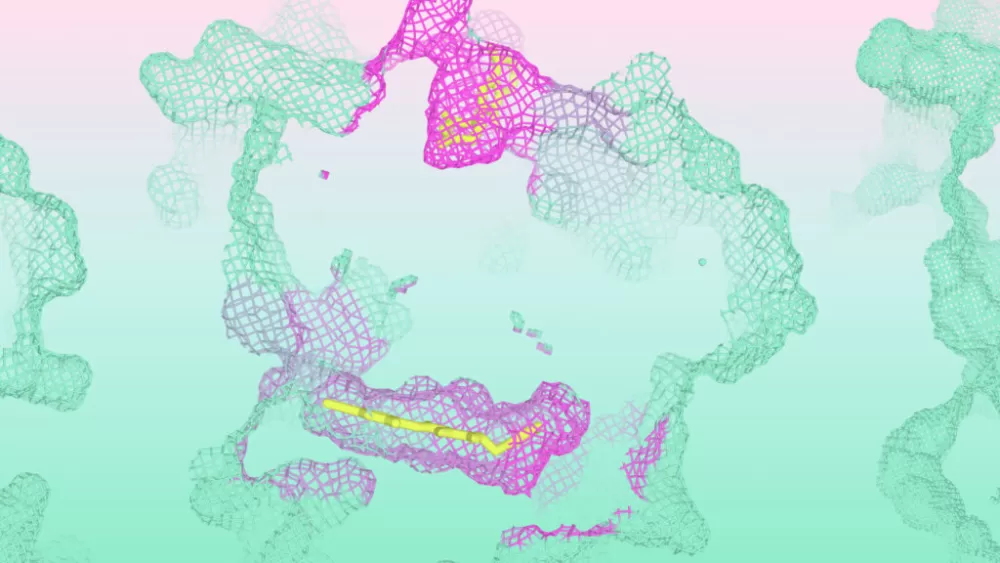
At its core, Isomorphic Labs is built around what they call the Drug Design Engine – a platform that, in the best‑case scenario, takes a protein sequence and predicts not only the familiar active sites but also hidden, “cryptic” pockets that could be drugged. The promise is seductive: dramatically cut the time and cost of early‑stage discovery, and perhaps finally deliver on the hype surrounding AI in pharma.
Yet the enthusiasm masks a slew of practical hurdles. Critics point out that knowing where a pocket sits is only half the battle; turning that insight into a safe, effective molecule demands chemistry, toxicology, and a host of wet‑lab experiments that no amount of in‑silico wizardry can fully replace. Moreover, the company’s opaque culture makes it hard for outsiders to gauge progress – a classic double‑edged sword of Alphabet‑born ventures.
Outside voices are cautiously optimistic. Dr. Maya Patel, a professor of structural biology at Stanford, notes, “AlphaFold gave us a crystal ball for protein shape. Extending that to functional drug design is ambitious, but not absurd. The key will be how well Isomorphic integrates real‑world assay data back into the model.”
From a financing perspective, Isomorphic’s reluctance to raise external money reflects both confidence and a strategic desire to stay insulated from market pressures. Still, Thrive Capital’s involvement could signal the start of a broader wave of venture funding into AI‑centric drug platforms, provided the early milestones – such as delivering a preclinical candidate – materialize.
So, does Isomorphic Labs have what it takes to rewrite the rulebook on drugmaking? The answer is still unfolding. The technology is undeniably groundbreaking, the team is fiercely driven, and the stakes are enormous. Whether the company can bridge the gap between elegant predictions and a marketable pill remains the ultimate test.
Editorial note: Nishadil may use AI assistance for news drafting and formatting. Readers can report issues from this page, and material corrections are reviewed under our editorial standards.