India’s Internet Revolution Came Long Before Elon Musk’s Starlink
- Nishadil
- October 12, 2026
- 0 Comments
- 4 minutes read
- 15 Views
- Save
- Follow Topic
Cheap data turned India into a digital powerhouse – a fact Musk seems to overlook
A look at how ultra‑low‑cost mobile data reshaped India’s economy, education and gig sector years before Starlink even knocked on the door.
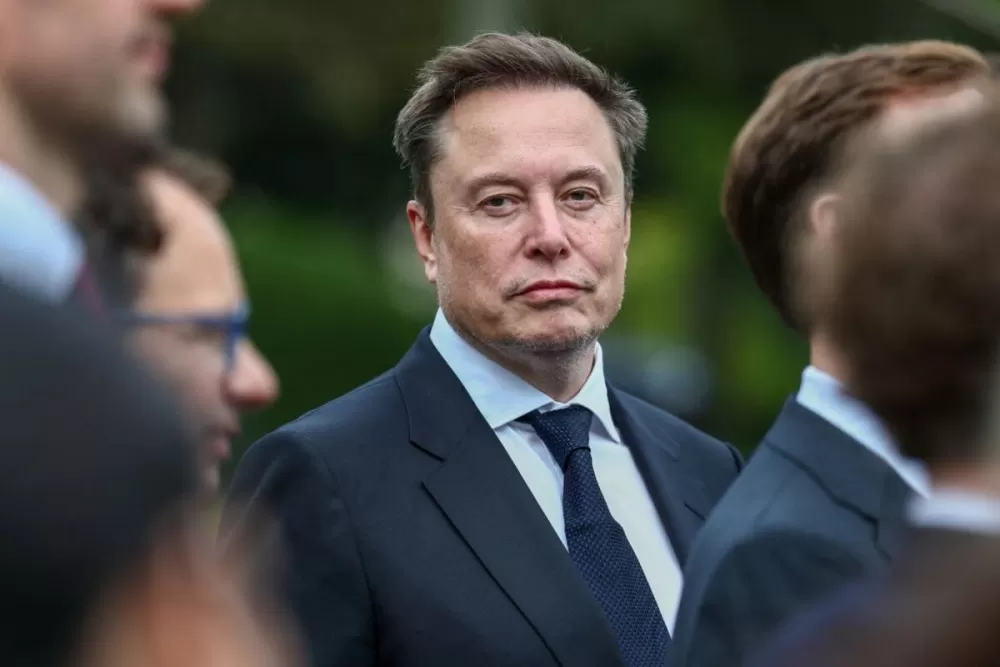
It feels almost comic‑book‑like: a billionaire tech‑hero storms onto the scene, claims he’ll bring ‘fast, cheap internet’ to the world’s most underserved people, and then discovers that, in one of the biggest markets, the party’s already in full swing.
India’s internet boom didn’t start with a satellite launch in 2025. It began, quietly but powerfully, in 2016 when Mukesh Ambani’s Jio rolled out near‑free data plans. Within months, Airtel and other carriers were slashing prices to stay in the game. The result? Data that cost roughly ₹800‑₹900 for 100 GB – about $8‑9 – a figure that would make most western providers blush.
To put that in perspective, the global average for the same amount of data hovers near $260. That’s thirty times more expensive than what an Indian user pays today. TRAI’s own numbers put average wireless revenue at just ₹750‑₹800 per 100 GB, an 80‑90 % gap from the rest of the world.
And the speeds aren’t shabby either. India now sits comfortably inside the top‑40 fastest‑average‑speed nations, with 4G reaching 98 % of its 665,000 villages and 5G beginning to creep in.
What does this cheap, reasonably fast connectivity do for a country of 1.4 billion people? A lot. First, it turned a once‑inaccessible set of villages into a bustling digital marketplace. Street‑side vendors, rickshaw drivers and tiny shopkeepers suddenly started scanning QR codes, thanks to UPI and other instant‑payment platforms. Those tiny transaction trails opened doors to formal credit, pulling countless families out of the loan‑shark cycle.
The government’s “JAM” trinity – Jan Dhan bank accounts, Aadhaar IDs and mobile phones – finally had a sturdy foundation. Direct Benefit Transfer could reach farmers and migrant workers without the old‑fashioned middlemen, and schemes like PM‑Kisan started delivering cash straight to a farmer’s phone.
Then there’s the gig economy, which grew like a mushroom after data prices fell. Apps such as Zomato, Swiggy, Uber, Ola and Zepto built their entire business models on cheap data and low‑cost smartphones. Millions of semi‑skilled workers now earn a daily wage delivering food, riding passengers or shuttling parcels – jobs that simply wouldn’t exist without affordable connectivity.
Education, too, got a massive boost. YouTube, DIKSHA, Khan Academy and a wave of vernacular EdTech platforms flood tier‑3 towns and remote hamlets with lessons that were once a city‑only luxury. Farmers watch videos on pest control, artisans learn new crafts, and schoolchildren repeat math drills in Hindi, Tamil, Bengali and dozens of other languages.
All this happened well before Elon Musk’s X‑account bluster about “providing cheap internet to the least‑served”. In late 2025, a placeholder Starlink price appeared on an Indian website – ₹8,600 per month for unlimited data plus a ₹34,000 hardware kit – a sum eight to ten times the average Indian data bill. It was more a publicity stunt than a realistic offer.
So, when Musk tweets that oligarchs are blocking Starlink to protect a “monopolistic chokehold”, the reality is a little different. The “monopoly” he fears is already eroding under the weight of cheap data, fierce competition and a market that has proven it can thrive without his satellites.
India doesn’t need Starlink; Starlink needs India’s massive user base. The country’s digital transformation is driven not by a single visionary billionaire, but by a mix of regulatory reforms, aggressive market pricing and an appetite for connectivity that touches every corner, from Delhi’s high‑rise apartments to a farmer’s thatched hut.
In short, the Indian internet moment arrived nearly a decade ago, and it’s still humming along at a pace that would make any outsider rethink their timeline.
Editorial note: Nishadil may use AI assistance for news drafting and formatting. Readers can report issues from this page, and material corrections are reviewed under our editorial standards.