India Cracks Down on Reuse of Single‑Use Medical Devices in Hospitals
- Nishadil
- October 24, 2026
- 0 Comments
- 3 minutes read
- 12 Views
- Save
- Follow Topic
Health ministry orders strict ban on reusing disposable medical devices, cites patient‑safety risks and regulatory breaches
The Union health ministry has instructed all states to stop hospitals from reusing single‑use medical and surgical devices, warning of infection, malfunction and legal violations.
New Delhi – In a move that has sent ripples through private and corporate hospitals across the country, the Union health ministry has asked every state to put an end to the reuse of single‑use medical devices. A stern letter from the Directorate General of Health Services (DGHS) arrived last week, flagging the practice as a serious threat to patient safety and a potential breach of multiple statutes.
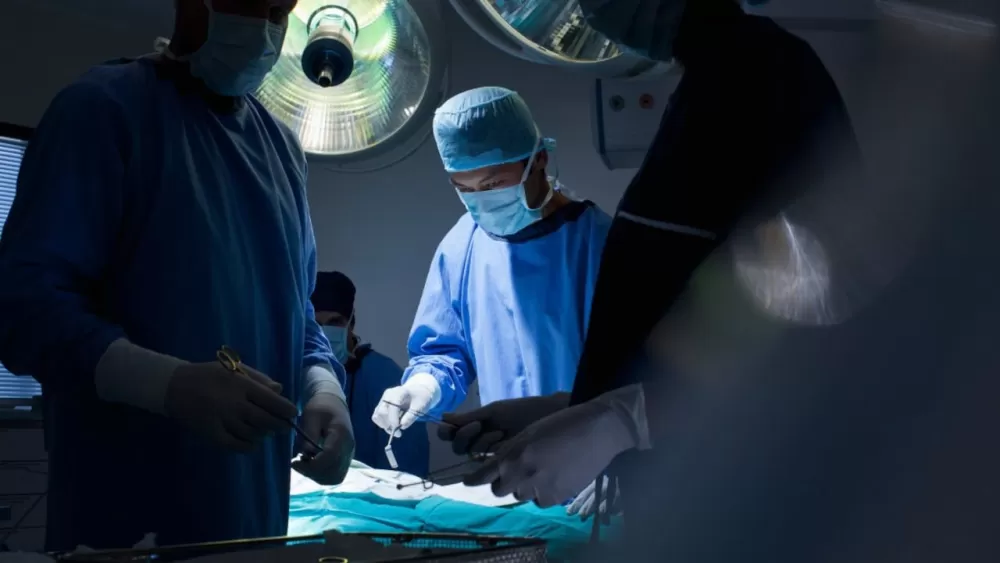
The letter, addressed to state health secretaries, directors and drug‑control authorities, listed the specialties where the problem is most acute – cardiology, nephrology, oncology, cardiothoracic and vascular surgery, and neurosurgery. In these high‑stakes arenas, devices that are meant for a one‑time use – catheters, guidewires, angioplasty balloons, even explanted pacemakers – have reportedly been sterilised and handed back to patients.
“We have observed that disposable surgical items, after a single procedure, are being subjected to sterilisation and then reused, despite being designated for single use only,” the DGHS note read. The ministry warned that such practices could trigger cross‑infection, device malfunction, loss of performance and a host of other procedure‑related complications.
Beyond the obvious health hazards, the reuse of disposable items raises red flags on the financial front. A recent survey in Maharashtra uncovered an IV infusion set sold for a nominal ₹11.05 but billed to patients at ₹325 – a markup of nearly 2,900 %. Similar inflations have been documented in drug and diagnostic pricing, prompting the National Pharmaceutical Pricing Authority to call out profit margins of over 1,700 % in some private hospitals.
Regulatory breaches are also on the table. The ministry pointed out that reusing single‑use devices could contravene the Drugs and Cosmetics Act of 1940, the Medical Devices Rules of 2017 and the Clinical Establishments Act of 2010. Consequently, the DGHS has instructed state health directors, the Drug Controller General of India (DCGI) and state drug controllers to step up vigilance, conduct inspections and take swift action against non‑compliant facilities.
Industry voices have largely welcomed the crackdown. Rajiv Nath, forum coordinator of the Association of Indian Medical Device Industry (AiMeD), described the decision as “a patient‑first move” and stressed that any harm caused by a reused device should be borne by the facility that reused it, not the manufacturer.
While the directive is clear – single‑use items must be used strictly as per the manufacturer’s instructions – the enforcement landscape will now hinge on state‑level machinery. Hospitals found re‑charging patients for disposable items or re‑implanting cleaned pacemakers could face penalties, legal action and, perhaps most importantly, a loss of public trust.
For patients, the message is simple: if a device is labelled ‘single‑use’, it should stay that way. Health officials urge anyone undergoing a procedure to ask about the consumables being used and to demand transparency. The crackdown, they hope, will restore confidence in India’s burgeoning medical‑tourism sector and safeguard lives, one disposable item at a time.
- India
- Health
- News
- HealthNews
- HealthCareCosts
- PatientSafety
- MedicalDeviceRegulations
- Dghs
- HospitalRegulation
- UnionHealthMinistry
- IndiaHealthMinistry
- HospitalBilling
- DghsDirective
- ReusedPacemakers
- MedicalConsumablesBilling
- SingleUseMedicalDevices
- HospitalDeviceReuse
- HospitalReuse
- MedicalDeviceReprocessing
Editorial note: Nishadil may use AI assistance for news drafting and formatting. Readers can report issues from this page, and material corrections are reviewed under our editorial standards.