India Calls for a Fair, Non‑Selective Approach to Human‑Rights Issues at the UN
- Nishadil
- October 21, 2026
- 0 Comments
- 2 minutes read
- 2 Views
- Save
- Follow Topic
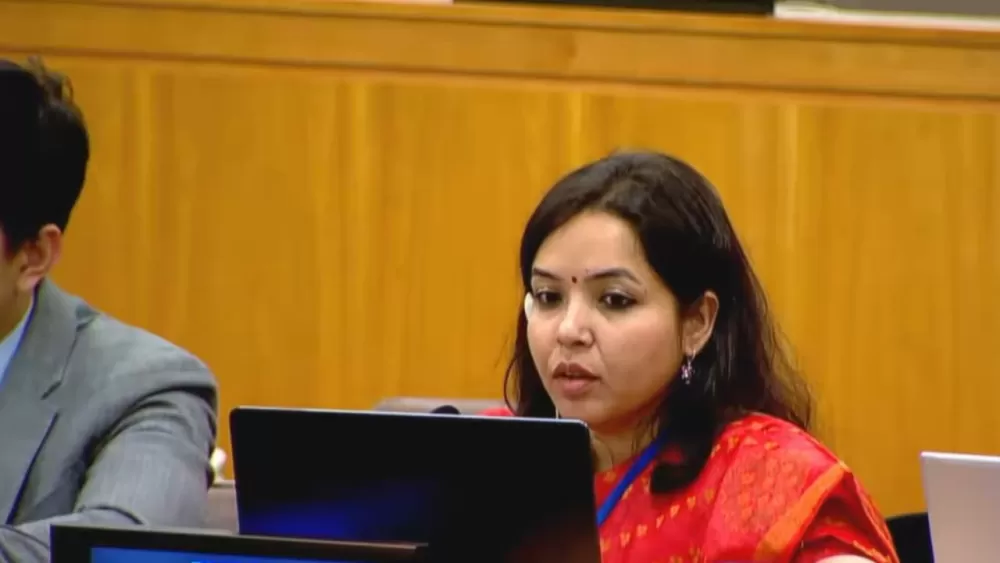
India urges UN to stop using human rights as a political weapon
At the UN General Assembly's Third Committee, India stressed that human‑rights mechanisms must not become tools for selective pressure, highlighting constitutional safeguards and urging genuine accountability.
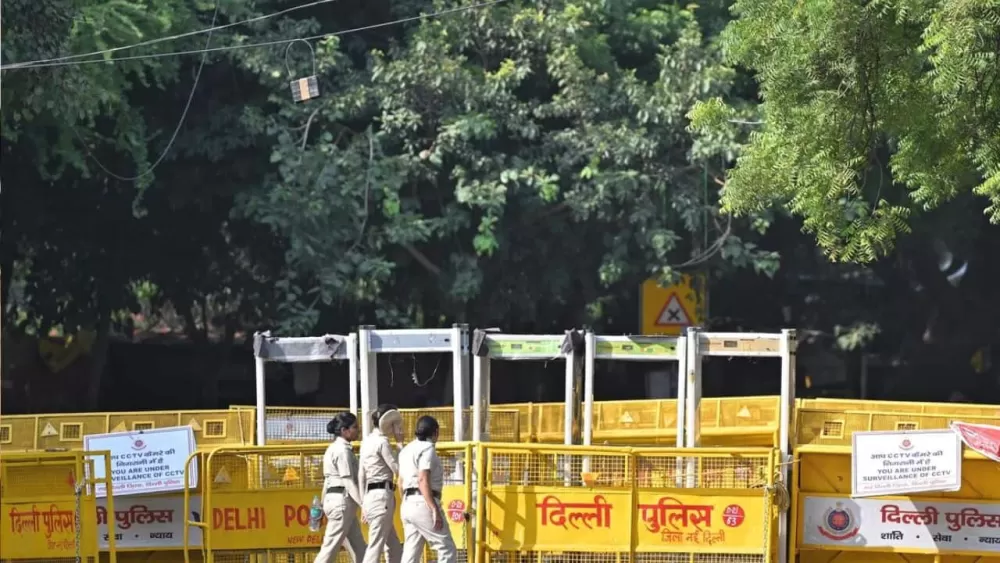
During the third committee session of the United Nations General Assembly, India’s Deputy Secretary of the Ministry of External Affairs, Barkha Tamrakar, delivered a candid statement that rippled through the hall. She warned that human‑rights forums should not be turned into a lever for political coercion or for singling out particular nations.
"Human rights are not a weapon for selective country targeting," Tamrakar said, underscoring that India is a vibrant democracy anchored firmly in the rule of law. She reminded delegates that Article 21 of the Indian Constitution guarantees the right to life and personal liberty, and that the country’s independent judiciary can issue habeas‑corpus writs to protect citizens from any unlawful detention.
Beyond the lofty constitutional language, she pointed to a suite of practical mechanisms that keep the system in check: the National Human Rights Commission, state‑level human‑rights bodies, the Right‑to‑Information Act, and a free press that together create avenues for redress and transparency. “Law‑enforcement agencies operate within the law, and any allegation of enforced disappearance is taken seriously and investigated,” she affirmed.
India also noted its commitment to the International Convention for the Protection of All Persons from Enforced Disappearance, a treaty it has signed and ratified. Yet Tamrakar cautioned that participation in such global mechanisms must be grounded in dialogue, non‑selectivity and factual accuracy. She urged fellow delegations to avoid drawing conclusions from unverified data or incomplete statistics, and offered India’s readiness to clarify any documented case through proper diplomatic channels.
The speech also touched on the tragic situation in Pakistan’s Balochistan province, where rights groups continue to report alleged enforced disappearances. Recent reports mentioned several missing men from Mastung and Gwadar districts, as well as a handful of individuals who have since been found. While the issue lies outside India’s borders, the mention served as a reminder of the broader regional challenges.
In closing, Tamrakar called on all states to eradicate enforced disappearances through preventive measures, accountability, and protection of civil society. She reiterated that the misuse of human‑rights platforms to cast a negative light on any nation, without solid evidence, would only undermine the credibility of the entire system.
Editorial note: Nishadil may use AI assistance for news drafting and formatting. Readers can report issues from this page, and material corrections are reviewed under our editorial standards.