IEA chief warns oil markets won’t normalise in 2027 as West Asia war drags on
- Nishadil
- October 21, 2026
- 0 Comments
- 2 minutes read
- 13 Views
- Save
- Follow Topic
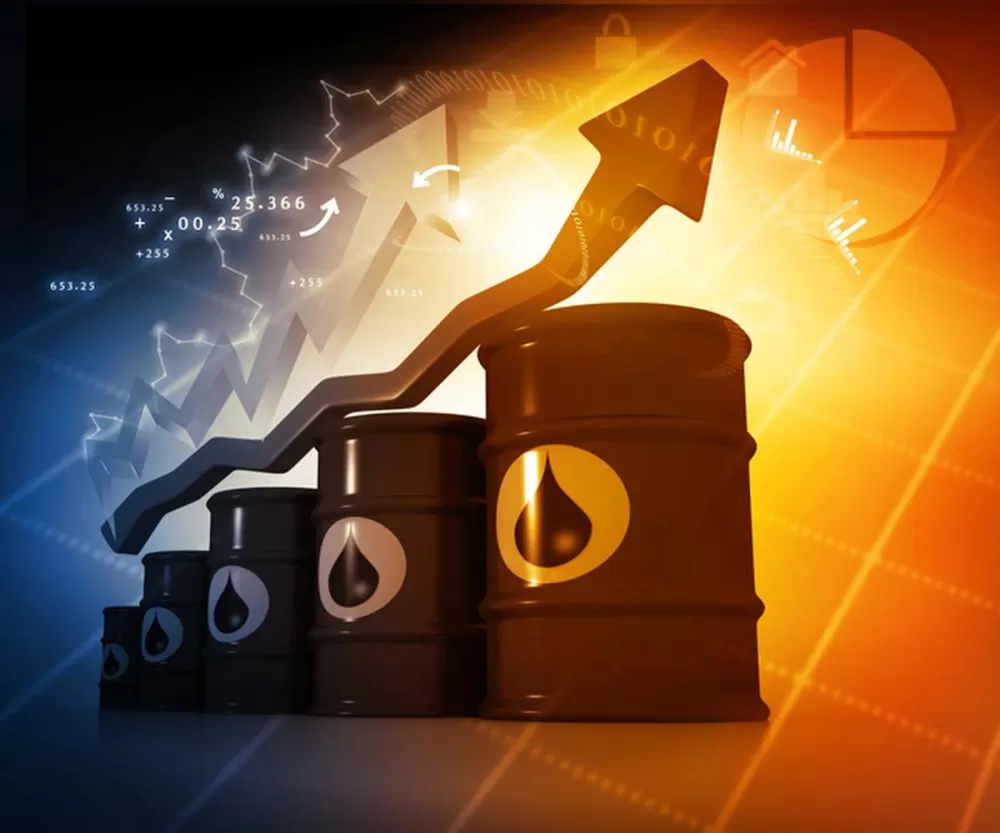
Fatih Birol says a return to ‘normal’ oil market conditions is unlikely next year amid ongoing conflict
The International Energy Agency’s boss sees little hope for stable oil prices in 2027, citing the West Asia war, refinery damage and soaring insurance costs.
At a Financial Times‑hosted Energy Transition conference on Tuesday, Fatih Birol – the long‑time head of the International Energy Agency – sounded a stark warning: the oil market is unlikely to find its footing in 2027 while the fighting in West Asia rages on.
“I personally don’t see any credible pathway that 2027 will be a year of normalisation,” Birol told the audience, his tone a mix of frustration and weary resignation. The remark came after a rapid climb in crude prices – from sub‑$70 a barrel before the conflict erupted to well over $100 now – and diesel hitting record highs after Gulf refineries were pummelled by U.S. and Israeli strikes last February.
In a bid to curb the surge, the IEA has already coordinated the release of up to 400 million barrels from strategic reserves held by its member states. “It’s a big number, but it’s only about 20 % of what we actually have – the rest is sitting in the pocket,” Birol explained, hinting that more releases could be on the table if the situation worsens.
Complicating matters, Iran’s Revolutionary Guard has vowed to seize control of tanker traffic through the Strait of Hormuz, driving insurance premiums through the roof even though shipping volumes have recently crept back toward pre‑war levels. The uncertainty around insurance costs and potential tanker attacks has added another layer of risk for traders and refiners alike.
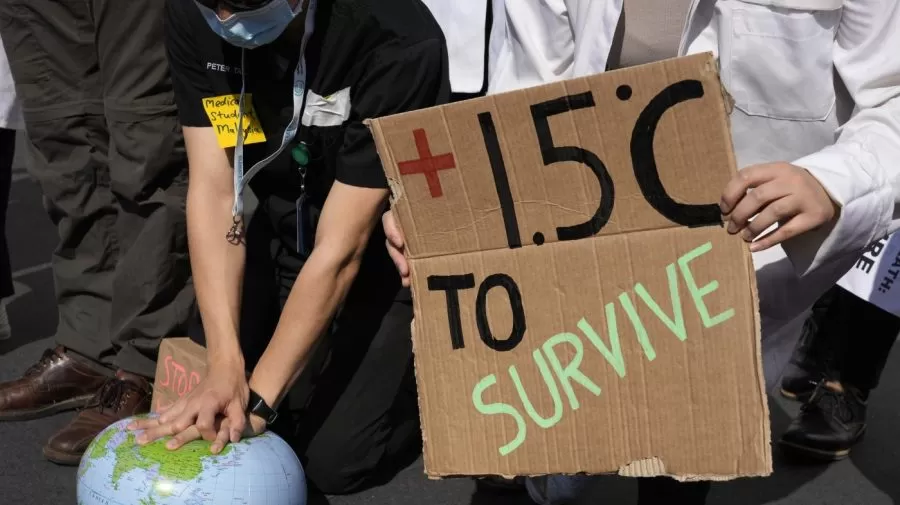
Birol also lamented that the war has pulled global attention away from climate change – a topic he says remains “the biggest, longest‑term challenge” for the planet. While governments scramble to manage the immediate supply shock, the underlying push to decarbonise energy continues to be eclipsed by the flashpoint in the Middle East.
In short, unless a diplomatic breakthrough materialises, the oil market is set to stay on a roller‑coaster ride well into next year, with high prices, volatile shipments and a renewed focus on short‑term fixes rather than the longer‑term climate agenda.
Editorial note: Nishadil may use AI assistance for news drafting and formatting. Readers can report issues from this page, and material corrections are reviewed under our editorial standards.