How Low Should Blood Pressure Go? Fresh Insights from the AHA Meeting
- Nishadil
- November 08, 2026
- 0 Comments
- 2 minutes read
- 11 Views
- Save
- Follow Topic
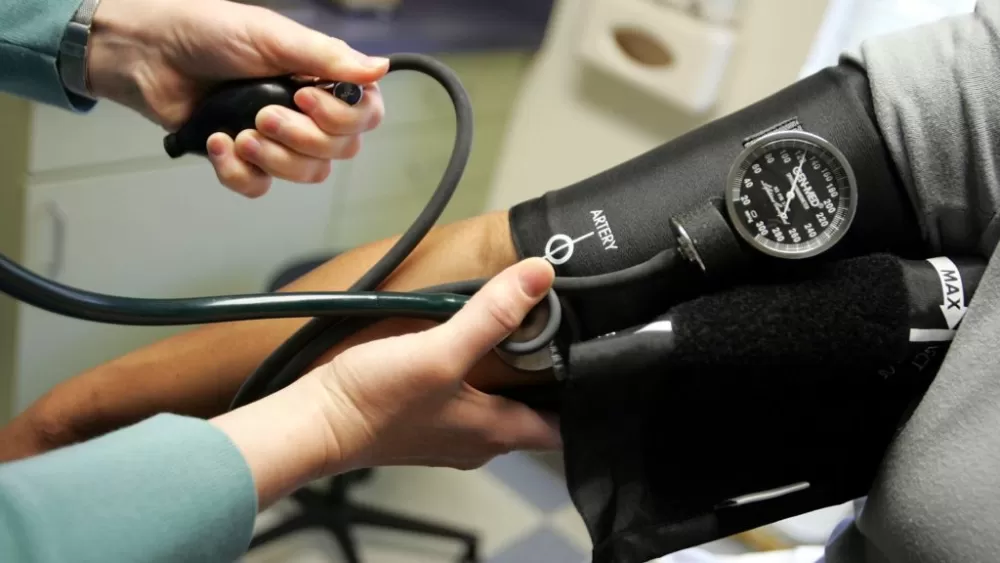
New trials suggest early spironolactone after stroke and tighter systolic goals may cut cardiovascular risk – but diabetes targets remain unclear
Three recent AHA studies examine blood‑pressure management in stroke survivors and people with type 2 diabetes, weighing the promise of early diuretics, lower systolic targets, and the limits of current guidelines.
High blood pressure has long earned its reputation as the silent killer, and that label only gets scarier when a patient already wrestles with diabetes or has survived a stroke. At this year’s American Heart Association scientific sessions, three fresh studies tried to answer a question that keeps clinicians up at night: just how low should we push the numbers?
First up was the REDUCE trial, a modest‑sized but impressively diverse study led by Jordana Cohen of the Perelman School of Medicine. Researchers gave patients a low‑cost diuretic—spironolactone—right after they suffered a stroke, rather than waiting until three other drugs had failed. The result? Three months later, a higher proportion of those participants had their blood pressure dip below the 130/80 mm Hg mark compared with usual care.
“Even a 7‑mmHg drop can shave off roughly 38 % of the risk for a recurrent stroke,” Cohen reminded the audience, underscoring that the trial’s goal was to prove the concept of early drug use, not to track hard cardiovascular outcomes. The findings, still circulating as an abstract, have already sparked optimism. Bruce Ovbiagele of UCSF noted that about one‑third of stroke patients never hit guideline targets, and that a cheap, widely‑available pill like spironolactone could be a game‑changer.
Across the Atlantic, a far larger Brazilian effort called OPTIMAL‑STROKE took a different tack. Gisele Sampaio and colleagues asked whether aiming for a systolic pressure of 120 mm Hg—or lower—outperformed the conventional 140 mm Hg goal. Over four years, patients chased to the stricter target enjoyed a statistically significant reduction in death and major cardiovascular events, including heart attacks, recurrent strokes, and hospitalizations for chest pain or heart failure.
The deeper dip did demand closer medical supervision. Otávio Berwanger of Imperial College London warned that while kidney‑related serious outcomes didn’t rise, subtle shifts in renal markers and electrolytes were observed—an expected side‑effect of tighter control and diuretic use.
Finally, the OPTIMAL‑DIABETES trial, also presented from Brazil, turned its lens on people living with type 2 diabetes. Karla Santo of Einstein Hospital asked the same question: does pushing systolic pressure below 120 mm Hg help? The answer was, at best, underwhelming. The trial found no meaningful difference in cardiovascular events or mortality compared with the standard <140 mm Hg approach, leaving the ideal target for diabetic patients still up for debate.
Taken together, the trio of studies paints a nuanced picture. Early, inexpensive interventions after stroke appear promising, and lower systolic numbers can bring real benefits—provided clinicians monitor kidneys and electrolytes carefully. For diabetes, however, the evidence remains inconclusive, suggesting that a one‑size‑fits‑all strategy may still be premature.
What’s clear is that blood pressure remains the most modifiable risk factor for recurrent vascular events, and the conversation about “how low is low enough” is moving from theory to bedside practice, one study at a time.
Editorial note: Nishadil may use AI assistance for news drafting and formatting. Readers can report issues from this page, and material corrections are reviewed under our editorial standards.