GRAP‑1 Measures Triggered as Delhi’s Air Quality Slides into ‘Poor’ Category
- Nishadil
- October 22, 2026
- 0 Comments
- 2 minutes read
- 3 Views
- Save
- Follow Topic
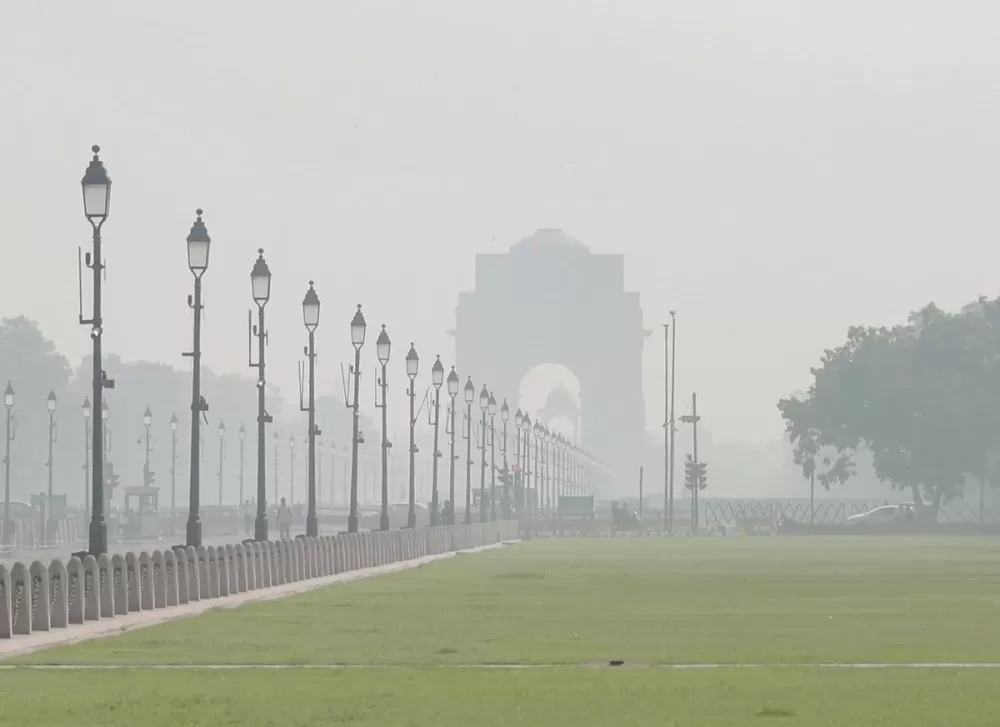
Delhi‑NCR rolls out first‑stage emergency curbs after AQI spikes to 244
A sudden rise in Delhi’s Air Quality Index to 244 forced officials to activate GRAP‑1, bringing in short‑term restrictions to curb pollution.
On the chilly morning of October 21, a thick veil of smog hung over the capital, turning the usually bustling India Gate into a ghostly silhouette. By early afternoon the Air Quality Index (AQI) had leapt from a moderate 179 on the previous day to a worrying 244 – squarely inside the ‘poor’ bracket.
Seeing the numbers climb, the Commission for Air Quality Management (CAQM) for Delhi‑NCR announced the rollout of Stage 1 of the Graded Response Action Plan, commonly known as GRAP‑1. In plain terms, this is the first line of defence – a set of bite‑size, short‑term actions meant to pull down the pollutant levels before they spiral further.
“The AQI jumped sharply to 244 at 2 pm on October 21, pushing the city into the ‘poor’ category,” the CAQM said in a brief statement. It added that forecasts from the India Meteorological Department and the Indian Institute of Tropical Meteorology warned the figure could stay high for a few more days.
GRAP is split into four tiers, each kicking in when the AQI reaches a specific range. GRAP‑1 is triggered when the index sits between 201 and 300, GRAP‑2 between 301 and 400, GRAP‑3 between 401 and 500, and GRAP‑4 when it climbs above 450. With the current reading, only the first tier applies, but officials stress that the plan is designed to be flexible – it can tighten or relax measures as the numbers ebb and flow.
What does GRAP‑1 actually mean for the everyday commuter? For now, it mainly involves curbing construction activities, limiting the use of diesel generators, and tightening parking fees to discourage unnecessary trips. Some schools and offices have also been advised to shift to work‑from‑home arrangements where feasible. It’s a bit of a hassle, but the hope is that even these modest steps can pull the AQI back down into a safer zone.
Delhi’s Chief Minister, who has been urging citizens to adopt “progressive measures” to tackle the haze, echoed the sentiment, reminding everyone that collective effort matters more than any single rule. The city has faced similar spikes before, and each time the response has been a mix of regulation and public cooperation.
While the current outlook isn’t rosy, the early activation of GRAP‑1 signals that authorities are watching the numbers closely and are prepared to act swiftly. Whether the smog will dissipate or linger depends on a mix of weather patterns, emissions control, and how well the public embraces the temporary curbs.
Editorial note: Nishadil may use AI assistance for news drafting and formatting. Readers can report issues from this page, and material corrections are reviewed under our editorial standards.