Former Celtics Co‑Owner Steve Pagliuca Leads $15 Million Push to Crack Long COVID
- Nishadil
- November 06, 2026
- 0 Comments
- 3 minutes read
- 11 Views
- Save
- Follow Topic
Boston philanthropist backs groundbreaking research after son’s battle with lingering COVID symptoms
Steve Pagliuca, former co‑owner of the Boston Celtics, is channeling $15 M into the PolyBio Research Foundation to develop tests and treatments for long COVID, spurred by his son Jesse’s struggle.
When Jesse Pagliuca called his dad from a New York hospital, clutching a thermometer and sounding half‑asleep, Steve Pagliuca didn’t hesitate. He and his wife, Judy, jumped into the car in Boston and drove straight to the city to bring their son home.
Jesse’s diagnosis? Long COVID – a relentless fog that leaves him feeling as if he’s constantly battling a low‑grade flu. A simple 20‑minute walk can sap his energy for days, a reality that hits home for the 18 million Americans the Department of Health and Human Services estimates are living with the same condition.
“It’s gut‑wrenching watching your child—your friend—struggle with something that seems invisible,” Pagliuca said, his voice cracking just a little. “That’s why we’ve got to do something concrete.”
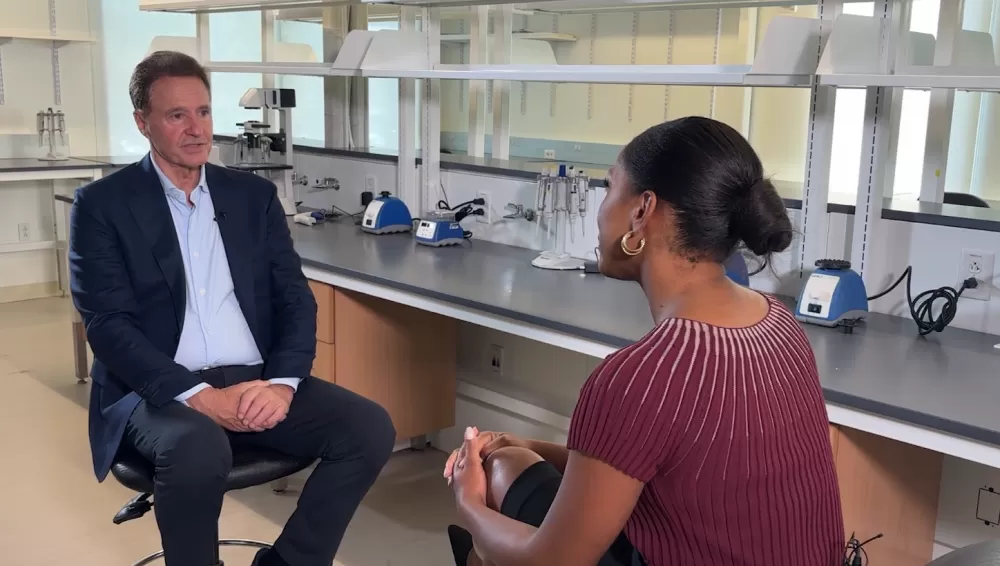
That “something” is a $15 million donor coalition, co‑led by the Pagliucas, aimed at the PolyBio Research Foundation in Medford, Massachusetts. The money will fuel a suite of initiatives: from cutting‑edge blood‑test development to clinical trials that could finally unmask effective therapies.
Dr. Amy Proal, the director of research at PolyBio, is cautiously optimistic. “Long COVID isn’t a mystery any more,” she told reporters. “We’ve started to see clear biological clues, especially the lingering traces of SARS‑CoV‑2 in certain tissues.”
Those clues include stubborn pockets of viral material that can hide in the gut lining or even the brain, keeping the immune system on high alert and feeding the chronic inflammation that fuels fatigue, brain fog, and pain.
Because pulling tissue samples from patients is invasive and, frankly, impractical, Proal’s team borrowed a trick from oncology: they’re engineering a blood‑based assay that can sniff out viral remnants. “If you can’t measure it, you can’t cure it,” Pagliuca reminded the crowd, echoing a sentiment that feels both simple and profound.
The initiative, dubbed VIPER (Validation of Innovative Pandemic‑Era Rapid tests), will pit several prototype diagnostics against each other, hunting for the most reliable read‑outs. The hope is that, within a year or two, doctors will have validated tools at the bedside and a pipeline of new treatment trials ready to roll.
For families like the Pagliucas, time is not just a statistic—it’s a daily struggle. “My timeline is ‘as soon as possible,’” Steve said, eyes flicking to Jesse, who is still coping with the day‑to‑day reality of the illness. “That pressure is on the scientists, and I’m grateful they’re working around the clock.”
Looking ahead, both Pagliuca and Proal hinted that the momentum might spill over into other stubborn, infection‑related illnesses—Lyme disease being a prime candidate. If the same diagnostic principles apply, the impact could be far broader than COVID alone.
In the meantime, the Boston philanthropist’s $15 million pledge stands as a testament to what personal urgency can translate into collective action. As research labs in Medford hum with activity, there’s a quiet, hopeful belief that the fog of long COVID will eventually lift—for Jesse, for millions, and for the families watching anxiously from the sidelines.
- UnitedStatesOfAmerica
- News
- Science
- ScienceNews
- Research
- Covid
- BloodTest
- LongCovid
- Celtics
- Philanthropist
- LymeDisease
- Tissue
- Patient
- Researcher
- Condition
- DiagnosticTests
- Effort
- Covid19Research
- Long
- SarsCov2Virus
- ViralPersistence
- CoOwner
- Trace
- StevePagliuca
- SonJesse
- Proal
- Polybio
- LongCovidResearchEffort
- PolybioResearchFoundation
- JessePagliuca
- BostonPhilanthropist
- ChronicInfection
Editorial note: Nishadil may use AI assistance for news drafting and formatting. Readers can report issues from this page, and material corrections are reviewed under our editorial standards.