Final Fantasy VII Revelation: Walking the Tightrope Between Nostalgia and Innovation
- Nishadil
- October 21, 2026
- 0 Comments
- 5 minutes read
- 10 Views
- Save
- Follow Topic
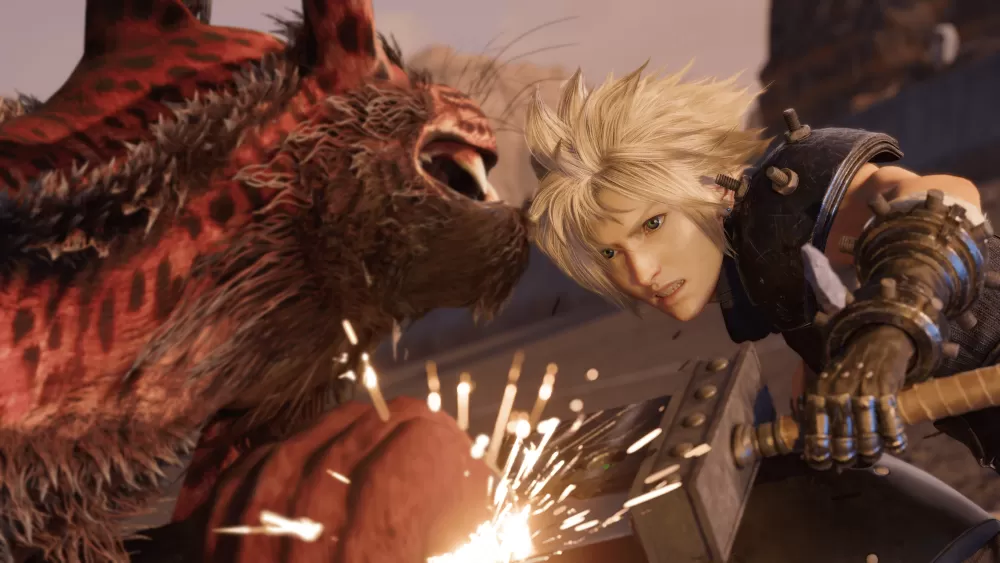
Director Naoki Hamaguchi explains how the final chapter of the FFVII remake finds a middle ground for longtime fans and newcomers alike
A deep‑dive into Square Enix’s ambitious conclusion to the FFVII remake trilogy, exploring the creative choices that let old‑school storytelling mingle with fresh, open‑world design.
When you spend more than a decade coaxing a beloved 1997 classic back to life, you might expect the studio lead to look haggard, coffee‑stained, and muttering about deadlines. Yet Naoki Hamaguchi, the director steering Final Fantasy VII Revelation, answers the question of his mood with a half‑smile and a simple, “It felt like it passed in a flash.” There’s a calm about him that feels almost out of place given the enormity of the task ahead.
For context, the original Final Fantasy VII was more than a game; it was a cultural moment. Released on the PlayStation in 1997, it introduced Western audiences to the sweeping drama of Japanese RPGs, making Cloud Strife and his rag‑tag eco‑warrior crew household names. The title’s impact still ripples through pop culture, and its story—about a corporate behemoth threatening the planet—has only grown more relevant.
Fast‑forward to today, and Square Enix is poised to wrap up a remake trilogy that started in 2020. The first installation didn’t merely reskin the 1997 graphics; it rewrote the experience, carving out a new narrative “what‑if” branch that could diverge from the source material. The second act, Final Fantasy VII Rebirth, threw in timeline‑hopping shenanigans, but Hamaguchi is careful not to call the whole endeavour a Marvel‑style multiverse.
“We don’t really say ‘multiverse’,” he laughs. “We talk about the story being ‘multilayered’—or simply a ‘reunion.’” The word “reunion” feels almost poetic, echoing the original game’s plot point where Jenova’s cells bind characters together in a twisted experiment. Whether that foreshadows a grand convergence of alternate story threads in Revelation remains to be seen, but the director hints that the narrative is meant to feel like layers finally meeting up again.
One of the most visible changes is scale. The remake’s three‑act structure gave the team room to reshuffle characters, locations, and events, often sending them on a different order than the 1997 release. Take Wutai, for example. In the classic, it was a tiny optional side‑quest: two huts, a handful of NPCs, and a quick boss fight. In Revelation, it blossoms into a bustling city‑state with its own politics, side‑quests, and even a Chocobo‑riding segment that lets you zip through the streets. It now feels like a genuine wartime front line against Midgar rather than a throw‑away bonus.
Some skeptics argued that pushing Wutai and Rocket Town into the final chapter was just a way to pad the game’s length, turning the third disc of the original into a “side‑quest dump.” Hamaguchi disagrees. He confesses that after two 100‑plus‑hour games, the real worry was the opposite: “Do we have enough content to fill another game?” The answer, he says, was a frantic scramble to trim rather than add, ensuring the finale never feels bloated.
And yet, even after all that pruning, Revelation can feel dense. Two beloved characters who were only cameo‑type options in the original—Cid Highwind, the cocky aeronaut, and Vincent Valentine, the brooding gun‑man—join the party, unlocking fresh combat combos. The classic Weapon battles (Emerald, Ruby, and Ultima) get a brutal makeover, demanding precision and offering a real skill test. Meanwhile, familiar locales from the first two entries have been opened up, inviting players to revisit and discover new secrets.
Perhaps the most striking claim from Hamaguchi is that the game is “truly open‑world on a planetary scale.” You can pilot Cid’s airship, the Highwind, glide over sprawling landscapes, then parachute down to hidden valleys you never saw before. The sense of verticality—air, ground, and even underwater segments—makes the world feel less like a series of rooms and more like a living planet.
Will all that content require multiple playthroughs? Probably. Hamaguchi doesn’t see that as a flaw. “I understand some people think there’s too much content,” he says, “but that boils down to preference. Variety matters more than sheer volume.” For players who love a massive, immersive world but can’t spare dozens of extra hours, the game still offers ways to dip in and out without getting lost.
In the end, the biggest triumph of Final Fantasy VII Revelation may not be its technical wizardry or its expanded map, but its ability to honor the emotional core that made the original a legend while daring to take the story in new directions. Hamaguchi’s steady composure reflects a team that has learned to balance reverence with risk—something fans have been waiting for, nearly three decades after the first pixel‑perfect breath of Midgar.
- UnitedStatesOfAmerica
- News
- Technology
- TechnologyNews
- Gaming
- Gear
- VideoGames
- SquareEnix
- ConsoleGames
- PcGames
- FinalFantasy
- GearGearNewsAndEvents
- VincentValentine
- NaokiHamaguchi
- Rpgs
- GamingNostalgia
- GrandFinale
- OpenWorldGaming
- GearProductsGaming
- FinalFantasyViiRevelation
- RemakeTrilogy
- Wutai
- FfviiRebirth
Editorial note: Nishadil may use AI assistance for news drafting and formatting. Readers can report issues from this page, and material corrections are reviewed under our editorial standards.