Feeding the Flock: Why Our Love for Pigeons Might Be Backfiring
- Nishadil
- October 24, 2026
- 0 Comments
- 5 minutes read
- 2 Views
- Save
- Follow Topic
Stop feeding the pigeons! A look at the unintended consequences for city birds and hawks
A resident‑driven plea explores how casual feeding of pigeons fuels overpopulation, spreads disease, and even threatens local hawk populations.
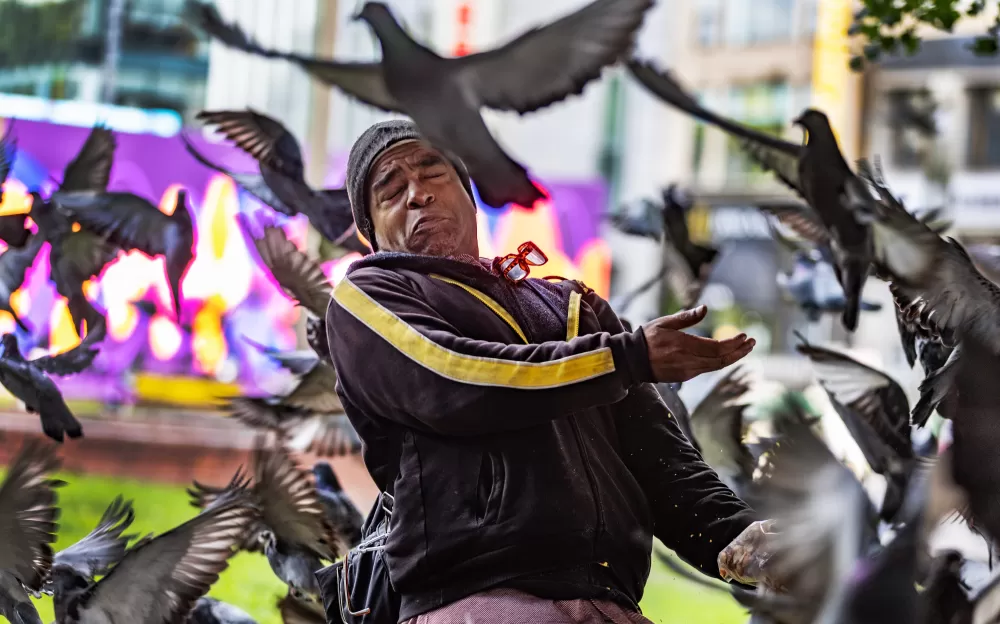
Every afternoon you can see it: commuters, tourists, kids—anyone with a handful of breadcrumbs stopping by the park bench to toss a few crumbs to the ever‑watchful pigeons. It’s a simple gesture, a tiny moment of connection with nature in the middle of the concrete jungle. And yet, beneath that quiet kindness lies a cascade of problems most of us never stop to consider.
First, the obvious: pigeons multiply like rabbits when you keep handing them food. A handful of crumbs might seem harmless, but over weeks and months it creates a reliable buffet. The birds quickly learn that humans are a moving source of calories, and they return in ever‑larger flocks. The result? A denser, noisier, and messier pigeon population that can dominate a square, a subway platform, or a historic façade.
And then there’s the health side of things. Pigeon droppings are not just an aesthetic nuisance; they carry a suite of pathogens—histoplasmosis, cryptococcosis, and even salmonella. When the droppings accumulate on benches, statues, or the steps of old buildings, they become a public‑health risk, especially for those with compromised immune systems. It’s one of those things you don’t notice until a warning sign pops up on a city website, and then you realize you’ve been walking through a potential bio‑hazard for years.
But perhaps the most surprising consequence is the impact on our feathered predators, particularly hawks. Red‑tailed hawks, Cooper’s hawks, and other raptors have made a modest comeback in many urban areas, thanks to greener rooftops and reduced pesticide use. Yet these birds of prey are also highly opportunistic. An overabundance of pigeons can actually draw hawks into city parks, altering their hunting patterns. While it may sound like a win for hawks, the reality is more nuanced. Excessive hunting pressure can stress pigeon populations to the point where they become a less stable food source, forcing hawks to expand their territories or shift to other prey—often small songbirds that are already under pressure from habitat loss.
Moreover, dense pigeon roosts can create a feedback loop. The more pigeons there are, the more hawks are attracted, which can increase the likelihood of human‑hawk conflicts. People might feel uneasy seeing a hawk swoop down near a playground, or they might mistakenly blame the hawks for the very mess the pigeons create. This dynamic can fuel calls for raptor control measures, even though the original problem started with well‑meaning bread‑throwing.
So what can city dwellers do without feeling like they’re robbing themselves of that fleeting bird‑watching joy? First, simply stop feeding the pigeons. It sounds drastic, but the birds quickly adapt when the easy meals disappear. Second, consider supporting municipal pigeon‑control programs that use humane methods—like bird‑proofing statues, installing netting, or using falconry demonstrations that naturally deter large roosts.
Finally, think about what you’re feeding instead. If you love to watch birds, bring a small tray of seed designed for finches, sparrows, or chickadees. Those species are less likely to cause sanitation issues and they provide a healthier diet for the birds themselves. Plus, you’ll likely see a broader variety of feathered visitors, which can be a treat for kids and adults alike.
It’s easy to feel guilty about stopping a habit that feels so harmless, but the evidence is mounting: feeding pigeons creates more mess, spreads disease, and even nudges the balance of urban ecosystems in ways we don’t fully understand. By stepping back, we give both the pigeons and the hawks a chance to find a healthier rhythm in our shared city spaces.
Editorial note: Nishadil may use AI assistance for news drafting and formatting. Readers can report issues from this page, and material corrections are reviewed under our editorial standards.