Extreme Weather Turned a Training Accident at CFB Wainwright Into a Deadly Blaze
- Nishadil
- October 21, 2026
- 0 Comments
- 3 minutes read
- 3 Views
- Save
- Follow Topic
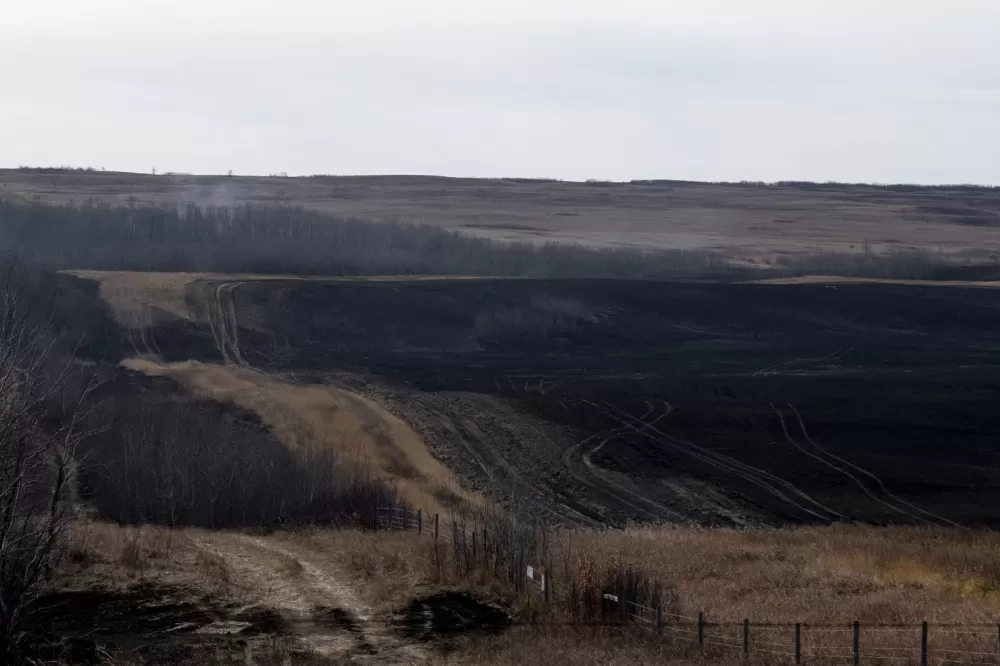
A perfect storm of wind, heat and dry fuel sparked the tragic fire at Alberta’s military base
Four Canadian soldiers lost their lives and dozens more were hurt when a sudden fire erupted at CFB Wainwright. Experts point to unusually strong winds, low humidity and a build‑up of dry vegetation as the lethal mix that turned a routine drill into a disaster.
On the evening of October 19, 2026, an unexpected fire ripped through the training grounds of Canadian Forces Base Wainwright, in Alberta’s rolling foothills. What started as a small flare‑up during a weapons‑handling exercise quickly ballooned into a raging inferno that claimed the lives of four servicemen and left 33 others battling burns and smoke‑inhalation injuries.
According to fire‑chief Dan Larsen, who arrived on scene as the flames were already licking the sky, the weather that day was anything but ordinary. “We were looking at wind gusts hitting 55 km/h, relative humidity down in the low‑teens, and temperatures hovering around 27 °C,” he told reporters. “When you combine that with the dry grass that’s been sitting on the training fields for weeks, you’ve got a recipe for a rapid, uncontrollable spread.”
The base’s own safety officer, Lieutenant‑Colonel Maya Khan, said the drill involved the use of blank ammunition and a small portable heater, both of which can spark a fire under the right (or wrong) conditions. “There was a brief pop, a flash of light, and within seconds the dry, dead vegetation ignited,” she recalled. “We have protocols for that, but the wind carried the fire far faster than anyone anticipated.”
Eyewitnesses described the chaos that unfolded: soldiers sprinting for safety, fire‑trucks scrambling through thick, black smoke, and the distant thump of a water‑cannon as it tried to tame the blaze. “It felt like the whole world was on fire,” said Private Jared Miller, who survived with a burn on his forearm. “You hear the alarms, you see the orange wall coming at you, and there’s just no time to think.”
Investigators from the Department of National Defence and the Alberta Wildfire Service are now piecing together the exact chain of events. Early findings suggest the combination of a wind‑driven fire‑balloon effect—where a surge of hot air lifts flames into the air—and the presence of highly flammable dry brush created what experts dub a “perfect storm.”
While the immediate priority has been medical care and containment, the tragedy has sparked a broader conversation about training safety in an era of increasingly volatile weather. Climate scientists have warned that Alberta is seeing longer periods of drought and more extreme wind events, conditions that can turn ordinary drills into hazardous incidents.
Base commander Colonel Rene Leduc, speaking at a press conference, promised a thorough review. “We will leave no stone unturned,” he said. “Our soldiers’ safety is paramount, and we must adapt our training practices to the reality of changing climate patterns.”
The nation mourns the loss of the four fallen soldiers—Privates Tyler Gibson, Aiden Morris, Samuel Lee and Corporal Jordan Peterson—each remembered in a moving vigil held at the base’s memorial garden. Their families have received support from military grief counsellors and community groups, as the country grapples with the sudden, stark reminder that even disciplined environments are vulnerable to nature’s fury.
As the fire finally comes under control and the smoke begins to clear, officials urge anyone with information—photos, videos, or eyewitness accounts—to contact the RCMP’s investigative line. The hope is that a full understanding of how the “perfect storm” unfolded will help prevent a repeat of this heartbreaking incident.
Editorial note: Nishadil may use AI assistance for news drafting and formatting. Readers can report issues from this page, and material corrections are reviewed under our editorial standards.