E20 Fuel Face‑off: Centre Says Karnataka’s 31% Ethanol Claim Doesn’t Hold Up
- Nishadil
- November 08, 2026
- 0 Comments
- 2 minutes read
- 3 Views
- Save
- Follow Topic
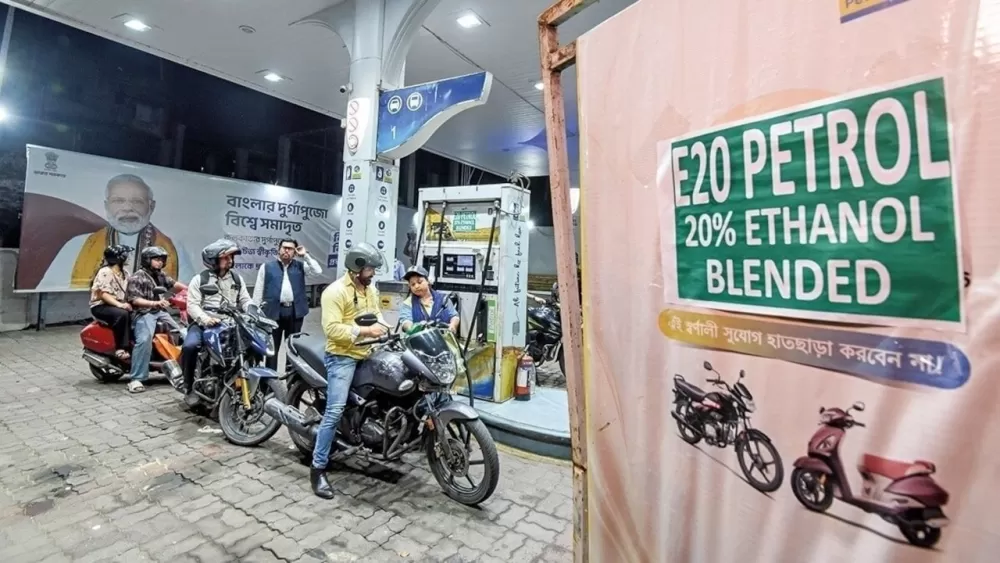
Petroleum Ministry Refutes Karnataka’s High‑Ethanol Petrol Allegations After Testing 893 Samples
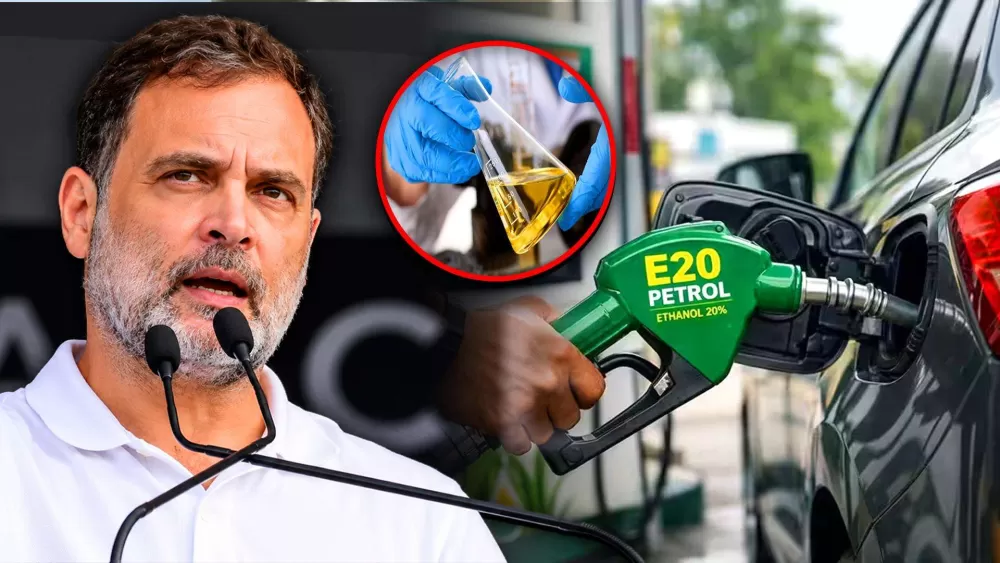
The centre dismissed Karnataka’s assertion that some petrol stations were selling fuel with 31% ethanol, noting that 893 samples from across India met the 19‑21% standard.
The Ministry of Petroleum and Natural Gas has pushed back on Karnataka’s recent allegation that petrol sold in parts of the state contained as much as 31% ethanol – a figure far above the national 20% target for the E20 blend.
According to a statement released on November 7, officials collected 893 E20 samples from depots and retail outlets of Indian Oil, Bharat Petroleum and Hindustan Petroleum spread over 27 states and union territories. Every single sample was tested under the Bureau of Indian Standards’ IS 17021 protocol and fell comfortably within the prescribed 19‑21% ethanol range.
Even the handful of 56 samples taken from Karnataka itself showed ethanol levels between 19% and 20%, averaging 19.30%. In other words, the fuel met the government’s specifications.
Karnataka’s transport minister, Rizwan Arshad, had earlier said that an independent lab had found ethanol concentrations of 31.2% in IOCL fuel and 30.5% in HPCL fuel from seven districts. The claim was amplified on social media by Congress leader Rahul Gandhi, who warned that motorists were being “robbed” by excessive blending.
The public‑sector oil marketing companies, however, have taken issue with the state’s testing exercise. They argue that the samples were collected without their representatives present, that the lab’s certificates omitted critical details about the gas‑chromatography method, sample dilution and reference standards, and that the full test reports have not been shared. These gaps, the ministry says, make it impossible to verify Karnataka’s high‑ethanol numbers independently.
Beyond the technical debate, the centre also dismissed an estimate that E20 fuel could cost Indian consumers more than ₹1 lakh crore a year in lost mileage and extra repairs. Technical studies suggest the mileage penalty for most E20‑compatible vehicles is modest – about 1‑2% – though some older engines might see a 3‑6% dip.
Both sides have now called for joint sampling and testing at an authorised laboratory to finally settle the dispute. Until such a coordinated effort is undertaken, the picture remains contested.
For now, motorists can breathe a little easier: the fuel they’re buying, at least according to the national tests, conforms to the quality standards set for E20.
Editorial note: Nishadil may use AI assistance for news drafting and formatting. Readers can report issues from this page, and material corrections are reviewed under our editorial standards.