Deepwater Horizon’s Shadow Lingers in the Gulf’s Twilight Zone
- Nishadil
- October 20, 2026
- 0 Comments
- 3 minutes read
- 2 Views
- Save
- Follow Topic
Study Finds Gulf Marine Life Still Reeling From 2010 BP Oil Spill
A recent PNAS study reveals a 60% drop in mid‑water species in the Gulf of Mexico years after the Deepwater Horizon disaster, with populations still far from recovery.
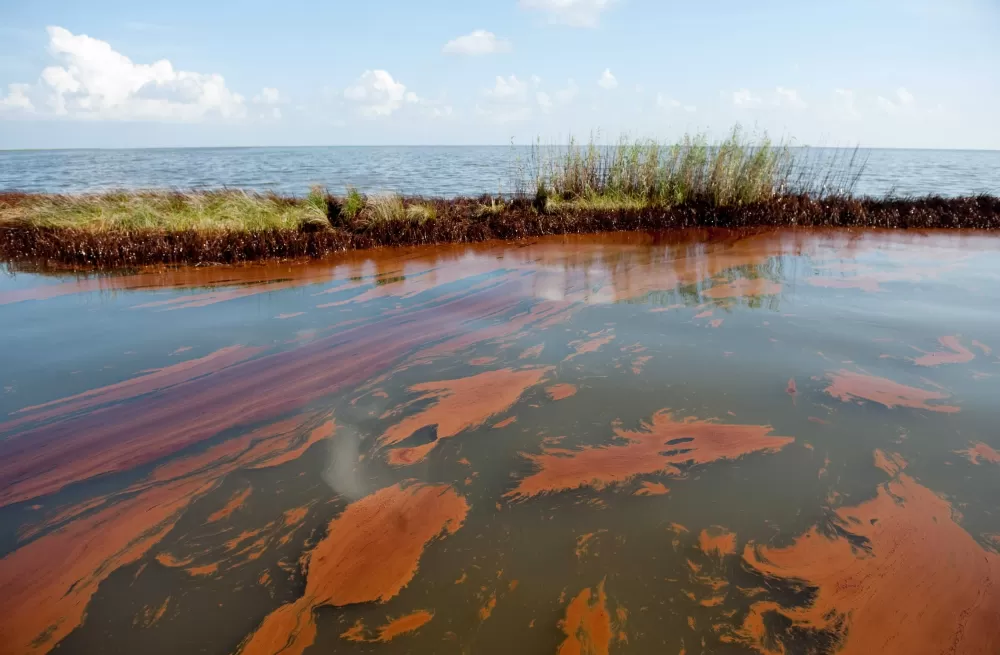
When the Deepwater Horizon platform blew up in April 2010, the world watched the slick surge across the Gulf of Mexico. What most people didn’t see was what happened in the dimly lit layer of water between the sun‑lit surface and the seafloor – the so‑called “twilight zone.”
Researchers led by Tracey Sutton, a biological oceanographer at Nova Southeastern University, returned to the same stretch of water they sampled in 2011, using the same six‑net rigs and acoustic sonar. By 2015 the catch had shrunk dramatically – fish numbers were down about 63.5%, crustaceans like shrimp and krill fell 62%, and larger cephalopods such as squid and octopus dropped nearly 60%.
Those figures aren’t just a one‑off blip. Follow‑up sampling in 2022 and 2023 showed only a tiny, statistically insignificant uptick. “We’re still seeing populations at roughly a quarter of what they were before the spill,” Sutton said, noting that the decline persisted despite normal variations in temperature, oxygen, and food supply.
The team triangulated their findings with three lines of evidence: the physical haul from the nets, sonar‑detected biomass, and genetic analyses that revealed a loss of diversity – a tell‑tale sign of inbreeding in dwindling groups.
Why the collapse? The researchers ruled out natural environmental shifts and landed on the oil spill itself as the most plausible driver. “The timing lines up, and none of the other variables we examined match the steep drop,” Sutton explained.
It’s not just the crude that hurt the animals. Dispersants, sprayed to break up the oil, turned it into microscopic droplets that seeped deeper into the water column, exposing mid‑depth species to toxic concentrations they would otherwise never encounter, according to co‑author Isabel Romero, a chemical oceanographer at the University of South Carolina.
Among the hardest hit were foundational species: krill fell a staggering 72%, lanternfish – those little bioluminescent swimmers – are now only a third of their former numbers, and the eerie dragonfish, with its toothy grin and light‑bearing lure, suffered similar losses. When the base of the food web falters, everything above it feels the ripple.
“These are the foods many larger predators depend on,” Sutton emphasized. “It’s no surprise the whole community has shifted.”
Beyond the numbers, the study offers a fresh glimpse into how tightly coupled the Gulf’s ecosystems are. Animals migrate vertically each night, predators dive deep then surface, and nutrients swirl through the entire water column, making the Gulf a single, pulsating system rather than a stack of isolated layers.
Scientists not involved in the work echo the alarm. Kaitlin Frasier of Scripps Institution of Oceanography warned that the deep ocean remains a blind spot for many, and the new data “clearly show something went very wrong.” Likewise, marine ecologist Boris Worm called the findings “shocking” and urged caution as the industry eyes new deep‑sea mining and drilling projects.
BP, for its part, has pointed to the reforms it’s made since the disaster, saying the incident “forever changed” the company. Yet the lingering scars in the Gulf’s twilight zone suggest that some changes take far longer than a corporate policy shift.
Editorial note: Nishadil may use AI assistance for news drafting and formatting. Readers can report issues from this page, and material corrections are reviewed under our editorial standards.