Data Centers, AI, and the Climate Crisis: Inside the Hyperscale Boom
- Nishadil
- October 21, 2026
- 0 Comments
- 4 minutes read
- 6 Views
- Save
- Follow Topic
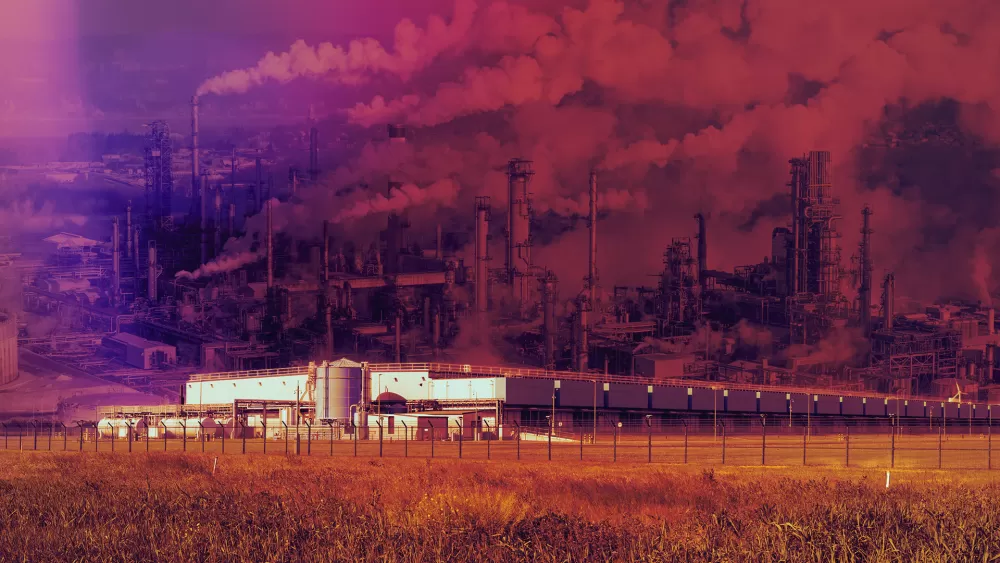
Data Centers Are Burning Fossil Fuels, Undermining Big Tech’s Climate Promises
From massive power draws to endless water use, hyperscale data farms are roiling the planet while Big Tech vows green futures that never arrive.
Walk into any hyperscale data center today – whether it’s tucked in Ashburn, Virginia, or perched on the outskirts of Dublin – and you’ll hear the same chorus of humming chillers, see towering fences, and feel the weight of security cameras that seem to stare back. The air‑conditioning units roar like industrial surf, trying desperately to keep rows upon rows of server racks from melting under the relentless heat of modern chips.
What really hits you, though, is the security. Badges, biometric locks, armed guards – it’s as if you’re stepping onto a military installation, not a place that simply stores bits of information. As Paris Marx, author of Hyperscale: The Ambition and Excess of Big Tech’s Data Empires, told me, “It was staggering to see how hard it was to move through those spaces.”
Why the fortress‑like vibe? Because these facilities are the beating heart of today’s AI giants – OpenAI, Meta, Google, Amazon and the rest. They pour through compute like never before, and that compute gobbles up electricity and water at a scale that makes a city look modest.
Take a look at the numbers. A typical data center of a few years ago might have needed 50 megawatts of power. Now, hyperscale farms routinely demand three times that, and the newest behemoths, like Meta’s Louisiana plant, are projected to need up to 4.5 gigawatts – roughly four times the total electricity that New Orleans used on its hottest summer day in 2025, and more than the output of the Hoover Dam.
It’s not just power. The newest AI‑focused GPUs run hotter than their predecessors, meaning cooling systems have turned to water as a backup. Estimates from 2025 suggest a single hyperscale site can pull between one and five million gallons of water a day – enough to keep a small town hydrated.
Getting that much juice isn’t a simple plug‑in. The permitting process to tie a data center into a municipal grid can stretch for years. To sidestep the delay, many tech titans are building their own power plants right next to the racks. And guess what fuels most of those plants? Fossil fuels – natural gas, diesel, even coal in some cases. In short, the very machines that promise a smarter future are feeding the climate crisis.
Back in the 2010s, the big players all swore to be carbon‑neutral or even carbon‑negative by the 2030s. Their sustainability reports showed modest progress. Then generative AI burst onto the scene, and those numbers went in the opposite direction. Google admitted its greenhouse‑gas emissions jumped 50 % in 2024 to keep ChatGPT‑like services humming. Microsoft’s Brad Smith told Bloomberg that the AI surge pushed its carbon‑negative target “five times farther away” than it was in 2020.
The fallout isn’t abstract. Communities that live beside these power‑hungry farms report brown‑tinted drinking water, constant diesel‑smell, and an unending roar of generators. In Memphis, a lawsuit against Elon Musk’s xAI facilities claims residents are feeling “it in their lungs” because of the constant burning of fossil fuel.
All of this adds up to a sobering reality: the climate goals that tech companies touted are being sacrificed on the altar of raw compute. As Marx asks in his book, “How much computation do we really need?” The answer, many activists argue, is far less than the industry is demanding.
Anti‑data‑center movements are popping up worldwide, from Europe to the United States, demanding stricter oversight, renewable‑only power sources, and, in some cases, outright bans on new hyperscale builds. Their rallying cry is simple – we can’t keep reshaping the planet for the sake of faster AI models when the cost is our air, water, and future.
So the question remains: will Big Tech finally align its insatiable appetite for compute with the planet’s limits, or will the next generation of AI be built on the ashes of another climate‑crisis?
Editorial note: Nishadil may use AI assistance for news drafting and formatting. Readers can report issues from this page, and material corrections are reviewed under our editorial standards.