Dallas Releases Its First Draft Development Code After Decades of Outdated Rules
- Nishadil
- November 07, 2026
- 0 Comments
- 3 minutes read
- 0 Views
- Save
- Follow Topic
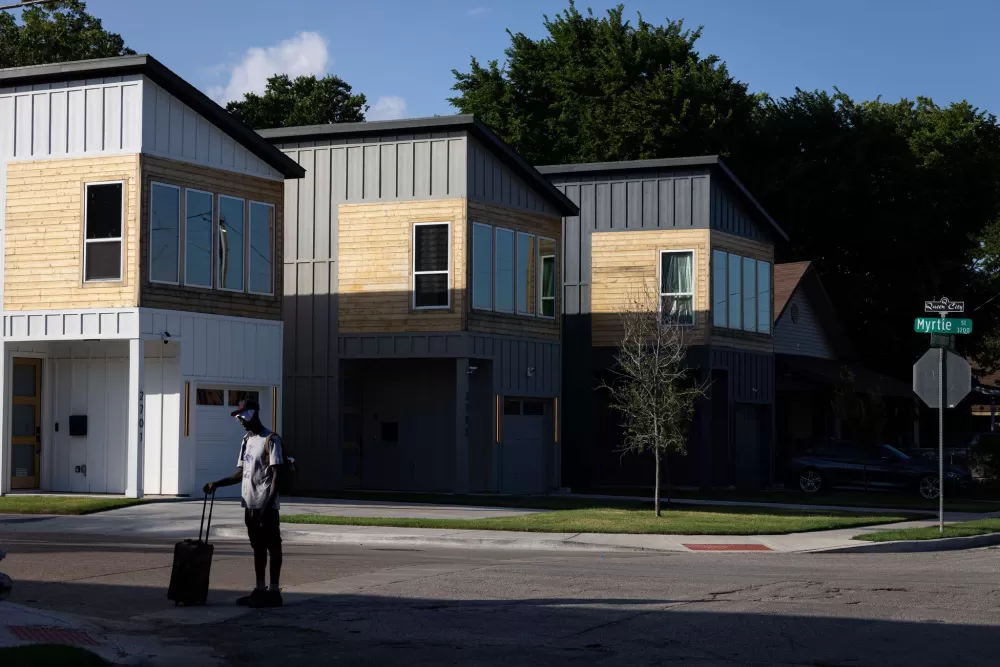
City unveils new draft code, opening the floor for public input and promising streamlined, sustainable growth
Dallas has published a draft of its long‑awaited development code, aiming to modernize zoning, boost affordable housing and make the permitting process clearer for developers and residents alike.
After more than four decades of operating under a patchwork of amendments to a 1979 ordinance, the City of Dallas finally put a fresh, comprehensive development code on the table. The draft, unveiled on Monday, is the product of a multi‑year review spearheaded by the Dallas Development Code Working Group, a coalition of planners, architects, developers and community advocates.
Mayor Eric Johnson, speaking at a packed press conference, framed the release as “a bold step toward a more livable, equitable Dallas.” He noted that the new code is not a finished product; rather, it’s an invitation for citizens, businesses and neighborhood groups to weigh in before the city council votes on a final version later next year.
Among the headline changes are clearer definitions for mixed‑use projects, streamlined permitting timelines, and stronger incentives for affordable‑housing developers. The draft also weaves in sustainability goals—encouraging green roofs, solar installations and storm‑water management practices that reflect the city’s Climate Action Plan.
One of the more controversial proposals is a shift in parking requirements. The draft reduces mandatory parking stalls for many residential and commercial projects, a move intended to cut construction costs and promote public‑transit use, but it has already drawn pushback from some suburban‑style neighborhoods worried about traffic spillover.
City Councilmember Adam McGowan, a longtime advocate for zoning reform, emphasized that the code is meant to be “flexible, not rigid.” He explained that the draft includes a “neighborhood review clause” that allows local advisory boards to submit feedback on specific projects, ensuring that development aligns with community character.
The public comment period kicks off next Wednesday and will run for 45 days. Residents can submit written remarks online through the city’s portal, attend one of six virtual town‑hall meetings, or drop by the Planning and Urban Design Department’s open‑house sessions held at the Dallas City Hall.
Stakeholders are already preparing their positions. The Dallas Housing Coalition praised the affordability provisions but urged the city to tighten inclusionary housing ratios. Meanwhile, the Dallas Builders Association highlighted the code’s potential to reduce “red‑tape fatigue,” noting that clearer guidelines could accelerate projects that have been stuck in limbo for months.
Legal experts caution that the draft, while ambitious, will likely face amendments during council hearings. "Every line is a negotiation point," said Laura Bennett, a municipal law professor at Southern Methodist University. "The real test will be how the council balances growth pressures with neighborhood concerns and fiscal realities."
Regardless of the tweaks that will follow, the release marks a pivotal moment for Dallas. It signals a city trying to catch up with rapid population growth—projected to hit 1.6 million by 2030—while striving to keep development responsible, affordable and environmentally sound.
For anyone interested in shaping Dallas’s future skyline, the draft development code is now live on the city’s website, and the next round of public engagement promises to be as lively as the city itself.
- UnitedStatesOfAmerica
- Business
- News
- BusinessNews
- AffordableHousing
- Texas
- Development
- LocalGovernment
- UrbanPlanning
- CityCouncil
- NorthTexas
- Lisa
- ZoningReform
- UnitedWay
- PublicComment
- DallasRegionalChamber
- DeedieRose
- TheMeadowsFoundation
- CommitPartnership
- MccuneLosingerFamilyFund
- PerotFoundation
- CharlesSiegel
- TheDallasFoundation
- CommunitiesFoundationOfTexas
- MetropolitanDallas
- TpFutureOfNorthTexas
- Forwarddallas20
- IllinoisLibrary
- DallasDevelopmentCode
- DraftDevelopmentCode
- DallasCityNews
Editorial note: Nishadil may use AI assistance for news drafting and formatting. Readers can report issues from this page, and material corrections are reviewed under our editorial standards.