Conventional vs. Transit‑Style School Buses: Why Some Have Flat Fronts
- Nishadil
- November 08, 2026
- 0 Comments
- 3 minutes read
- 1 Views
- Save
- Follow Topic
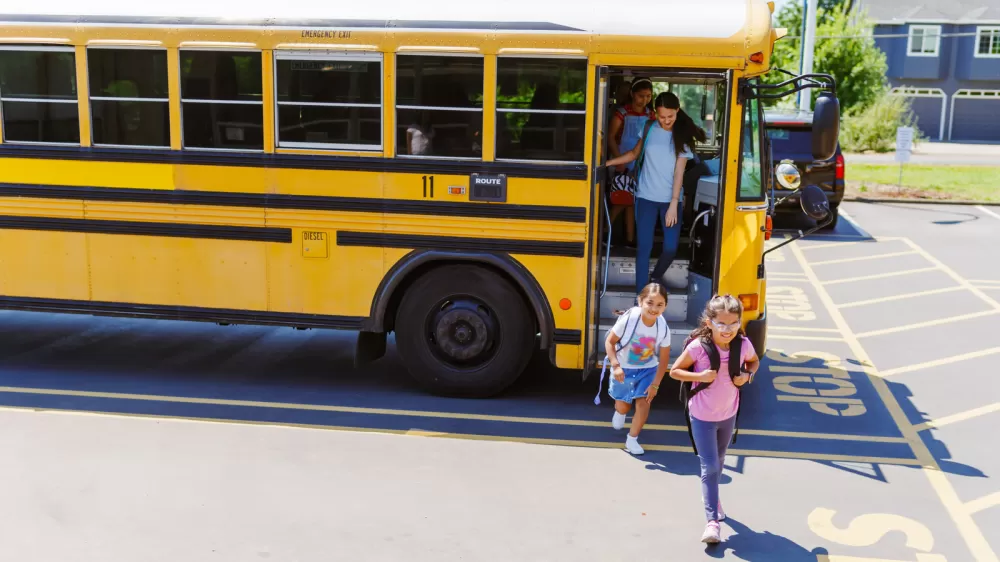
The History and Trade‑offs Behind Flat‑Front School Buses
A look at how school buses evolved from the 1910s, why flat‑front (transit‑style) designs exist, and the practical pros and cons of each layout.
School buses haven’t looked radically different since the late 1930s, yet their roots go way back—well before anyone thought of a yellow, boxy vehicle. In the early 1900s, kids rode to class in horse‑drawn wagons. By the time World War I rolled around, a company called Wayne Works rolled out a motor‑driven version in 1914, built on a long‑wheelbase Model T chassis. The engine sat up front, just like a typical car.
Fast forward a few decades, and Crown Coach, a California‑based builder that started in 1903 making business wagons, took the idea to the next level. Crown didn’t just stick to school buses; they also built hearses, fire trucks, bakery trucks, ambulances, even airplanes. In 1932 they introduced the first forward‑control school bus—a flat‑front design where the driver sits above or ahead of the front axle.
That wasn’t the absolute first flat‑front vehicle in the U.S.; Twin Coach had already been making flat‑faced delivery trucks and, during the Depression, adapted the layout for small municipal buses. When the flat‑front concept filtered into school transport, the industry started calling them “transit‑style” buses, distinguishing them from the older “conventional” models.
From a regulatory standpoint, the two families belong to different classes. Conventional buses are Class C: they have a front‑mounted engine, a hood, and the main passenger door sits behind the front wheels. Flat‑front, or transit‑style, buses fall into Class D, which lets manufacturers place the engine anywhere from beside the driver to the very rear. In practice most transit‑style buses put the powertrain at the back, which cuts down on noise, heat and exhaust fumes inside the cabin—a clear win for both drivers and kids.
The rear‑engine layout also opens up the driver’s line of sight. Without a towering hood to peek over, the view is unobstructed, unlike many conventional trucks where the hood creates a blind spot that grows as the vehicle ages. Space efficiency gets a boost, too: a flat‑front bus can usually squeeze in about 90 seats, whereas a conventional one tops out around 77‑83, depending on exact dimensions.
But it’s not all sunshine and extra seats. Conventional buses tend to be nimbler because of a shorter wheelbase—about 21.3 feet on average versus roughly 23 feet for most transit‑style models. That shorter wheelbase translates into a tighter turning radius, making it easier to navigate cramped school lots or narrow streets. Maintenance is also a bit less of a headache; the front‑mounted engine is easier to reach for routine checks and repairs.
In the end, the choice between a flat‑front and a conventional school bus often comes down to local preferences, budget constraints, and the specific routes a district runs. Neither design magically prevents the occasional school‑bus‑related mishap, but each brings its own set of advantages and compromises.
Editorial note: Nishadil may use AI assistance for news drafting and formatting. Readers can report issues from this page, and material corrections are reviewed under our editorial standards.