Congress Needs to Rescue Vocational and Certificate Programs from the ‘Do No Harm’ Rule
- Nishadil
- October 21, 2026
- 0 Comments
- 3 minutes read
- 8 Views
- Save
- Follow Topic
Why the Department of Education’s earnings test could cripple America’s small‑business pipeline
A new Department of Education “Do No Harm” test threatens to shut down many short‑career programs, but Congress can fix it with a single amendment before 2028.
The Education Department’s freshly minted “Do No Harm” test reads like a tidy sound‑bite: if a graduate’s earnings don’t outpace a high‑school graduate’s, the program is deemed a waste of federal loan money. It sounds appealing, especially to folks who’ve watched tuition balloon and debt pile up.
But dig a little deeper and the math starts to look… off‑kilter. While traditional four‑year degrees cruise through the test with flying colors, a swath of blue‑collar certificate programs—think culinary arts, massage therapy, cosmetology, and design—are slated to fail. That’s a problem, because those very programs have been the breeding ground for countless small‑business owners.
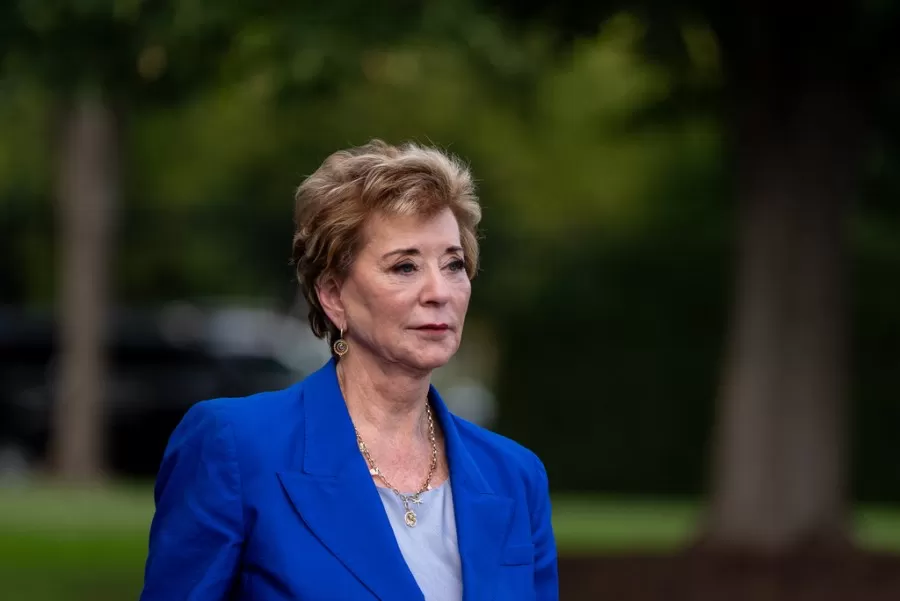
Take Linda McMahon, the former Secretary of Education, as a case study. She earned a French degree and a teaching certificate from East Carolina University in 1969, then spent years as a paralegal while her husband wrestled his way into the business. Early on, her paycheck was modest enough to land her on food stamps, and by 1976 she and her husband filed for bankruptcy.
Fast‑forward a few years: in 1980 they launched Titan Sports, the company that would become WWE. Today it rakes in billions and employs thousands. Notice anything? The “Do No Harm” formula would have flagged McMahon’s early earnings as a failure, ignoring the fact that early‑stage entrepreneurs often sacrifice personal income to reinvest in their venture, service debt, and build something that creates wealth for many later on.
That same logic applies to the very people who take vocational certificates. A hairstylist, for instance, might not earn more than a high‑school graduate in the first year, but over time they build a client base, perhaps open a salon, hire staff, and contribute to local economies. The test’s narrow focus on immediate salary swings misses that long‑term value entirely.
What’s worse, the Department projects that more than 90 % of cosmetology programs could fail under the rule. Imagine the ripple effect: salons closing, fewer apprenticeship spots, and consumers left without skilled hands—certainly not the outcome anyone wants.
Beyond economics, there’s a cultural angle. The Trump administration has championed a pro‑natal agenda, encouraging families to have more children. Many of the certificate‑track careers—especially in beauty, wellness, and caregiving—offer flexible hours that let women balance work and family. Cutting off federal loan support for those pathways runs counter to that policy goal.
The good news? Congress still has a window—until 2028—to tweak the rule with a single amendment that would broaden the earnings metric, perhaps by looking at business growth, job creation, or longer‑term income trajectories. It’s a relatively small legislative fix that could save an entire ecosystem of small businesses and keep the American Dream within reach for countless aspiring entrepreneurs.
In short, the “Do No Harm” test, as it stands, could do exactly that—harm—to the very programs that have historically fueled the nation’s entrepreneurial spirit. It’s time for lawmakers to step in, adjust the yardstick, and protect the training grounds for the next generation of small‑business owners.
Editorial note: Nishadil may use AI assistance for news drafting and formatting. Readers can report issues from this page, and material corrections are reviewed under our editorial standards.