Can Pollution Accelerate Your Skin’s Ageing? Doctors Weigh In
- Nishadil
- October 23, 2026
- 0 Comments
- 3 minutes read
- 7 Views
- Save
- Follow Topic
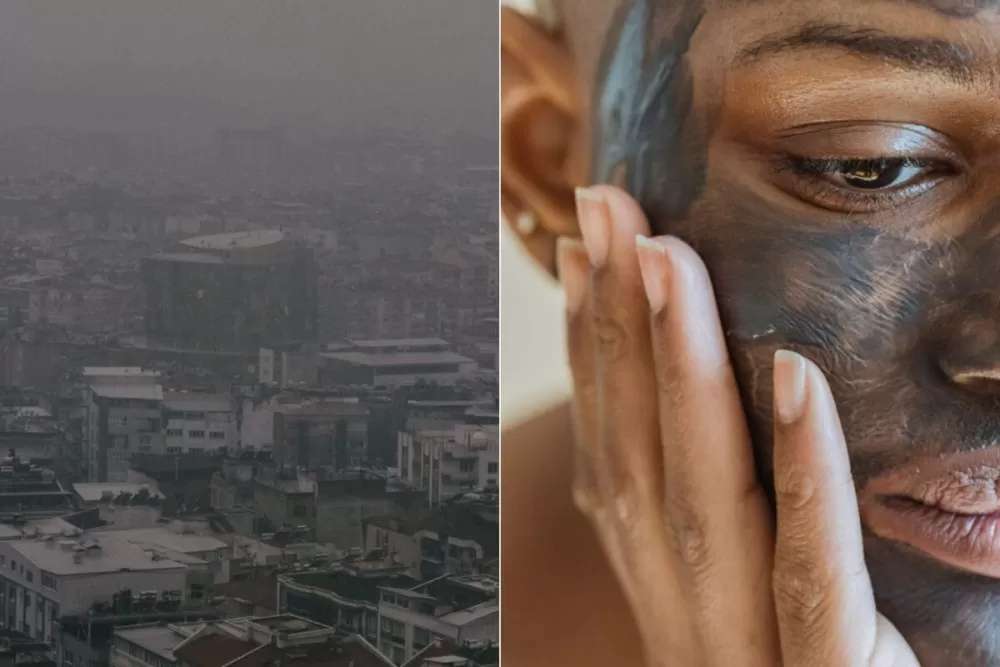
How Smog, Fine Particles and Sunlight Team Up to Make Your Skin Look Older
Dermatologists explain why Delhi’s worsening air quality isn’t just a breathing issue – it can dull your complexion, trigger pigmentation and speed up wrinkles.
When the Air Quality Index in Delhi spikes into the “poor” range, most of us rush for masks and check the news for health advisories. Few, however, pause to think about what the smog is doing to the organ we see every day – our skin.
“The skin is the body’s largest organ and the first thing that meets the environment,” says Dr. Monica Bambroo, a dermatologist at Artemis Hospital, Gurugram. “It takes the hit before our lungs even notice a problem.”
Fine particulate matter – especially the microscopic PM2.5 and slightly larger PM10 – behaves like a cloud of invisible dust that settles on the face, sneaks into pores and starts a cascade of chemical trouble. Once there, these particles generate a flood of free radicals, a process known as oxidative stress. The free radicals chew through collagen and elastin, the proteins that keep skin firm and springy.
The result? Over weeks and months you might spot a loss of elasticity, deeper fine lines, and that dreaded dull, lack‑luster look. “It’s not an overnight transformation,” Dr. Pravin Banodkar of Skin Beyond Borders notes. “It’s a slow erosion that adds up, especially when you’re also exposed to UV rays.”
Indian skin tones are particularly susceptible to pigment disturbances. Many patients report dark patches, uneven tone and stubborn hyperpigmentation that seem to appear out of nowhere. The weakened barrier also means more moisture loss, leading to dryness, itchiness and flare‑ups of eczema or acne.
Experts agree the damage is two‑fold: a direct assault on the skin’s surface and a deeper cellular injury that can even affect DNA. “Repeated exposure keeps the skin in a low‑grade inflammatory state,” Dr. Bambroo warns. “That constant irritation accelerates ageing – think deeper wrinkles and sagging over the years.”
It’s not all doom and gloom, though. Simple steps can help blunt the impact. A gentle, antioxidant‑rich cleanser to wash away particles, a barrier‑strengthening moisturizer with ceramides, and a broad‑spectrum sunscreen every morning create a protective shield. Some dermatologists also recommend topical vitamin C or niacinamide to neutralise free radicals.
In cities where the AQI hovers above 200, staying indoors during peak hours, using air purifiers, and keeping windows closed can reduce the skin’s daily exposure. “Think of it as giving your skin a day off,” Dr. Banodkar jokes, “so it can focus on repair rather than constant defence.”
So the next time you hear about a smog alert, remember: the haze isn’t just clouding the sky – it’s also clouding your complexion. A little extra care now can keep your skin looking fresh long after the air clears.
Editorial note: Nishadil may use AI assistance for news drafting and formatting. Readers can report issues from this page, and material corrections are reviewed under our editorial standards.