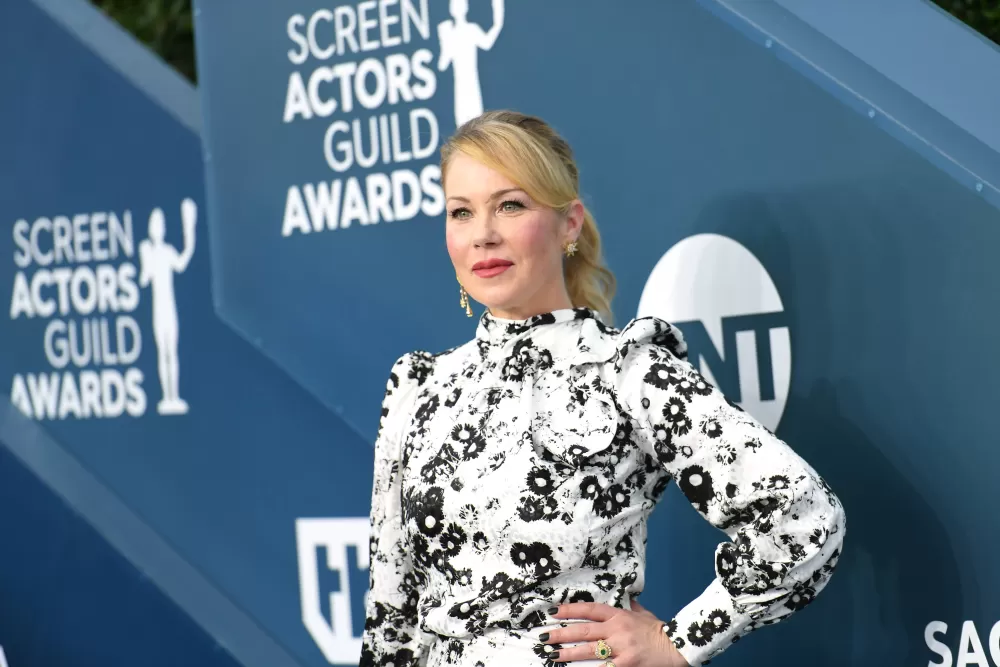
Can a Selfie Reveal Cancer Survival Chances? New AI Study Says Yes
- Nishadil
- October 21, 2026
- 0 Comments
- 4 minutes read
- 5 Views
- Save
- Follow Topic
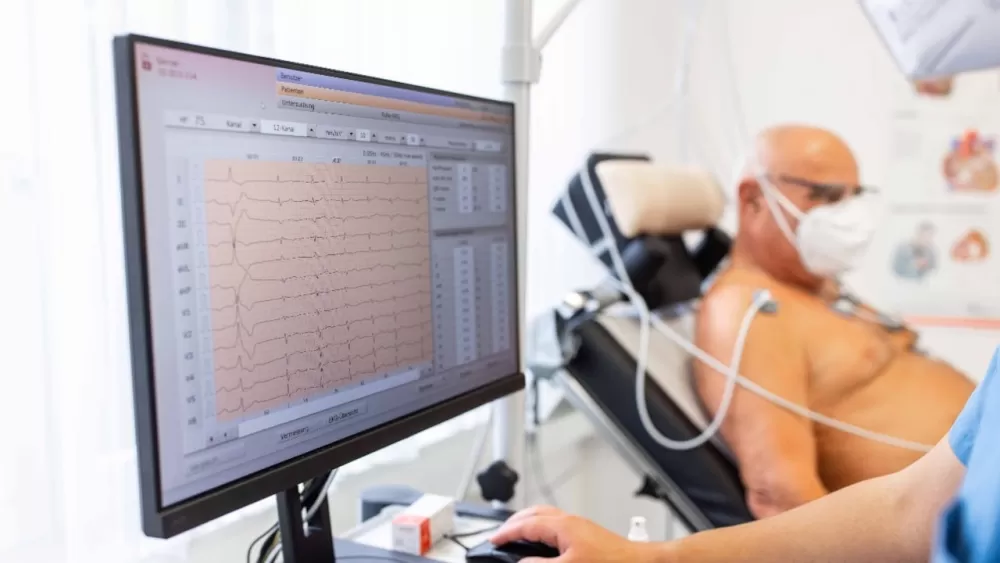
Researchers unveil AI model that reads biological age and predicts cancer outcomes from a single facial photo
A deep‑learning system trained on millions of faces can estimate a person’s biological age and, intriguingly, hint at cancer survival risk – but experts warn more validation is needed.
Imagine snapping a quick selfie and, within seconds, getting a glimpse of how your body is really aging – even, perhaps, a hint about how you might fare if you ever faced cancer. That’s the bold claim of a recent study published in The Lancet Digital Health, where scientists from the Mass General Brigham health network rolled out an AI model that does exactly that.
The tool, dubbed FAHR‑Face (Foundation Artificial Intelligence for Health Recognition – Face), was fed a staggering 40 million facial images. From this massive visual library it learned to spot subtle patterns that humans would never notice. The researchers then split the model into two sibling utilities: one that spits out a "biological age" – essentially how old your physiology appears – and another that predicts the odds of surviving cancer based solely on a photo.
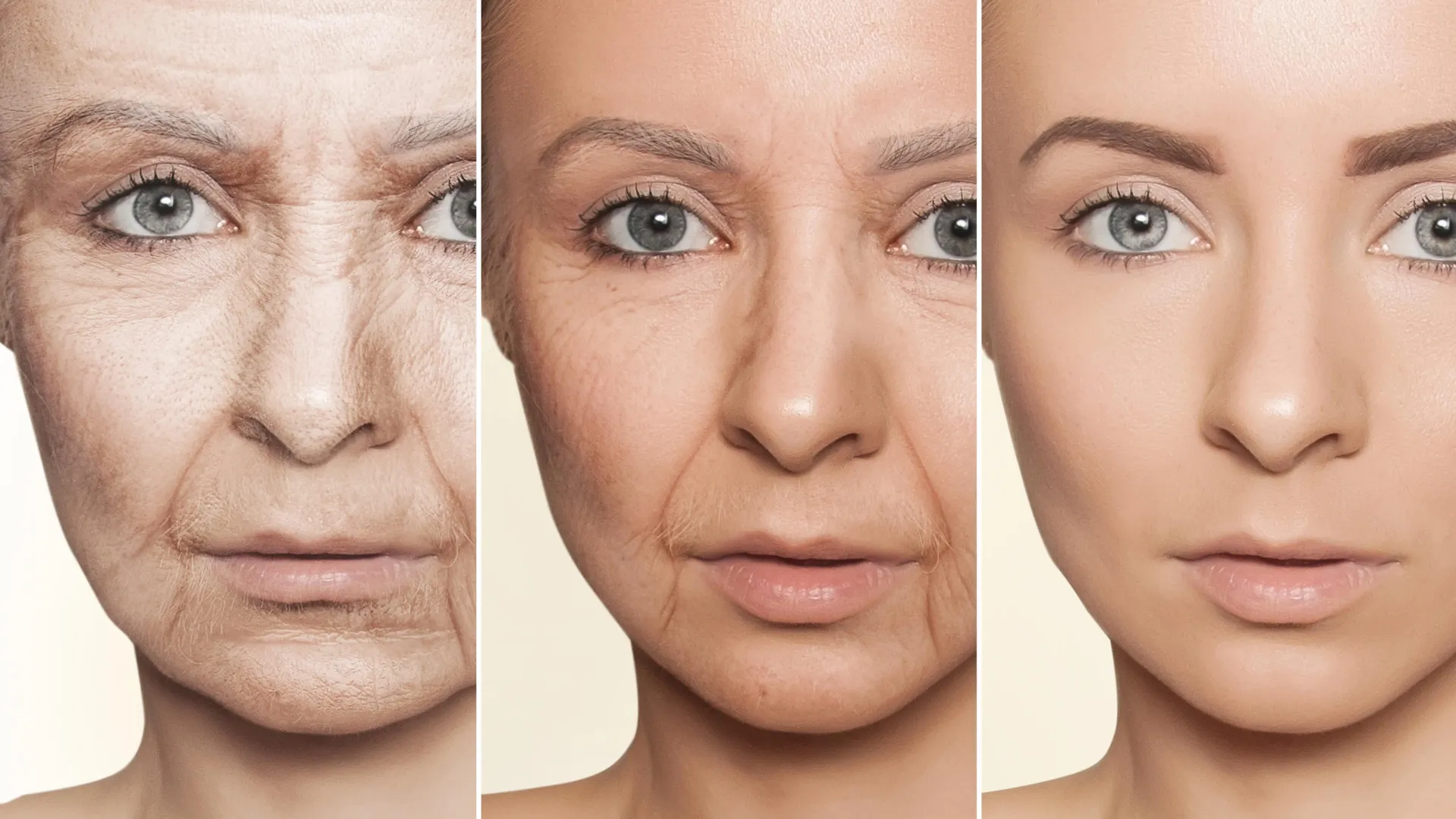
How does it work? In the age‑estimation branch, the algorithm scrutinises the forehead, temples and the fine creases that stretch from the nose toward the mouth corners. The survival‑prediction side, meanwhile, zeroes in on the region under the eyes and the bridge of the nose. The scientists admit they don’t yet know which biological processes underlie these visual cues; the AI simply finds statistical regularities and leverages them.
What did the data show? Among U.S. patients who received radiotherapy, those whose AI‑estimated facial age was five or more years older than their calendar age faced a 21 % higher risk of death over a four‑year follow‑up. Conversely, patients who appeared at least five years younger enjoyed a 17 % lower risk. These numbers describe group trends, not personal fortunes – you can’t walk away thinking your selfie guarantees a 21 % mortality chance.
The study also linked lifestyle factors such as smoking, heavy drinking and illicit drug use to a “older‑looking” face in the AI’s eyes, echoing long‑standing knowledge that these habits accelerate biological ageing. Still, causation remains unproven; the model merely flags associations.
Why might this matter to clinicians? Oncology teams already weigh a patient’s overall fitness – heart health, organ function, comorbidities – before deciding on surgery, chemotherapy or radiation. A rapid, photograph‑based snapshot could, in theory, flag individuals who need a deeper geriatric assessment or who might be too fragile for aggressive regimens.
Dr. Raymond Mak, a radiation oncologist involved in the work, stresses that the goal isn’t to replace doctors. “We want a consistent, scalable way to add another data point,” he says, “so physicians can make more personalized treatment choices.”
For a country like India, where cancer burden is high and resources vary wildly, the prospect of a low‑cost, easily deployable tool is tempting. Yet the model was trained on predominantly Western faces. Indian populations exhibit diverse facial structures, skin tones, and disease patterns, meaning the algorithm’s accuracy could shift dramatically. Rigorous validation across Indian cohorts, different cancer types and treatment settings would be a prerequisite before any clinical rollout.
Privacy is another knot to untangle. Facial images are deeply personal, and using them in healthcare demands explicit consent, airtight data security and clear communication about how the pictures will be stored and who can see them.
Bottom line: the technology is still in its research phase. The authors call for independent testing, transparency about the AI’s decision‑making, and, crucially, proof that such predictions actually improve patient outcomes. Until then, patients should treat any selfie‑based survival estimate with a healthy dose of scepticism and stick to established medical advice.
Editorial note: Nishadil may use AI assistance for news drafting and formatting. Readers can report issues from this page, and material corrections are reviewed under our editorial standards.