Calley Means Steps Down as Top Advisor to RFK Jr., Leaving MAHA Movement
- Nishadil
- October 23, 2026
- 0 Comments
- 3 minutes read
- 9 Views
- Save
- Follow Topic
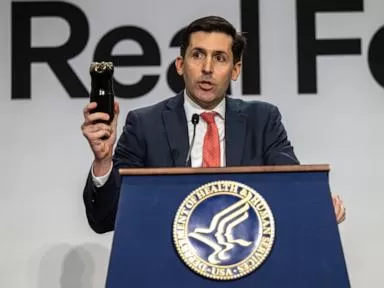
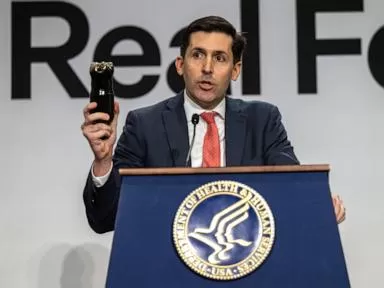
Key MAHA advocate Calley Means resigns from his role as senior adviser to Health Secretary Robert F. Kennedy Jr.
After more than two years pushing for food‑security reforms and a crackdown on ultraprocessed foods, Calley Means announced his departure, citing respect for both President Trump and Kennedy.
Washington — Calley Means, the outspoken champion of the Make America Healthy Again (MAHA) coalition, announced on Thursday that he is leaving his post as senior adviser to Health Secretary Robert F. Kennedy Jr. The resignation was brief, without a detailed explanation, but it follows mounting frustration among MAHA’s leadership over what they see as the administration’s sluggish progress on issues ranging from food security to the regulation of the weed‑killer glyphosate.
In his brief statement, Means said he “leaves with tremendous respect” for President Donald Trump and for Kennedy. “The past two years have seen historic policy and cultural change to confront the chronic disease crisis and healthcare incentives that profit from us being sick,” he wrote. “This movement is in the first inning and just getting started.”
Means entered the White House early in the second Trump term, using his perch at the Department of Health and Human Services to challenge established physician groups, federal agencies, and government scientists—accusing them of protecting their own interests over the public’s health.
White House spokeswoman Allison Schuster responded that the administration is “grateful” for Means’ contributions, noting he “has done a fantastic job for the MAHA movement.” A Health and Human Services spokesperson declined to comment.
Health activist Kelly Ryerson—also known online as “Glyphosate Girl”—expressed admiration for Means’ perseverance. “I’m impressed he lasted over two years at HHS fighting the food battle, despite all the obstacles presented by corporate interests,” she said. “At the heart of MAHA is a shared belief that the nation’s health must not be sacrificed to corporate profit, and that a preventable slide into chronic disease is a threat to America itself.”
Means is the brother of wellness influencer and author Dr. Casey Means, who earlier this year failed to secure confirmation as Surgeon General after questions arose about her vaccine stance.
The duo rose to prominence by blaming ultraprocessed foods, additives, and pesticides for a host of chronic conditions afflicting Americans. Bringing that message into the Trump administration, Means frequently clashed with senior officials worried about alienating the powerful food industry.
Meanwhile, internal tensions within MAHA grew. Some members urged Kennedy to double‑down on “medical freedom”—a push to roll back federal vaccine recommendations—while Means kept the spotlight on food policy. The result? A patchwork of stalled initiatives.
Kennedy had promised a groundbreaking definition of ultraprocessed foods in April, but the FDA’s acting commissioner, Kyle Diamantas, later admitted the task was “really hard.” In August, the administration hinted at a looming announcement, only to deliver a modest proposal tightening scrutiny of food additives, with only a passing reference to ultraprocessed foods.
As Means exits, the MAHA movement remains at a crossroads. Its supporters hope the next wave of advisers will pick up the baton, push harder on food‑industry reforms, and finally translate the coalition’s early optimism into concrete policy.
Editorial note: Nishadil may use AI assistance for news drafting and formatting. Readers can report issues from this page, and material corrections are reviewed under our editorial standards.