California's Green Dream: A Self-Defeating Prophecy?
- Nishadil
- September 04, 2026
- 0 Comments
- 3 minutes read
- 17 Views
- Save
- Follow Topic

How California's Ambitious Green Policies Are Accidentally Sabotaging Its Own Environmental Goals
California's zealous pursuit of environmental purity, while undeniably well-intentioned, is increasingly leading to paradoxical outcomes, pushing residents out and potentially worsening environmental issues in unexpected, ironic ways.
California, you know, has long been a beacon, a shining example for the world when it comes to environmental stewardship. We often look to the Golden State for pioneering policies, for setting ambitious targets that aim to safeguard our planet. And let’s be clear, those intentions are genuinely good, rooted in a desire to build a sustainable future. But here’s the rub, and it’s a big one: what if, in its zealous pursuit of environmental purity, California is actually, inadvertently, shooting itself in the foot? What if its very green policies are, in a strange twist, undermining its own green goals?
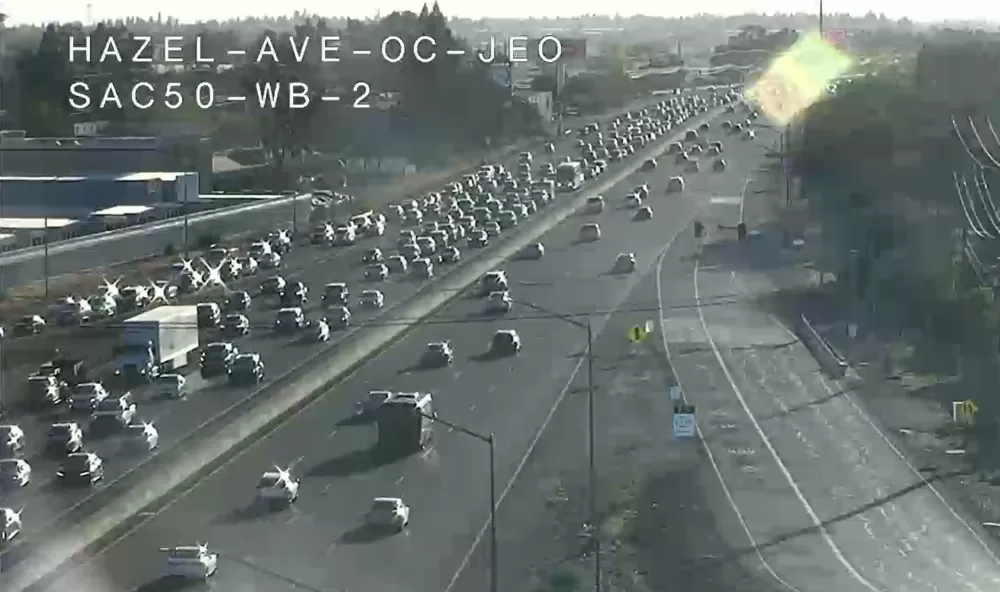
It's a perplexing paradox, isn't it? Take housing, for instance. Strict environmental regulations, coupled with lengthy approval processes often championed by environmental groups, have made building new homes in California an absolute nightmare. The cost, the red tape, the sheer difficulty of it all means fewer homes get built, and those that do are astronomically expensive. What happens then? People are pushed out, forced to commute longer distances from more affordable areas – burning more fossil fuels in the process – or, worse yet, they leave the state entirely. And where do they go? Often to states with far less stringent environmental protections, potentially increasing sprawl and emissions elsewhere. It's a classic case of pushing the problem over the fence, rather than solving it.
Then there’s the state’s energy policy, a bold march towards renewable sources. Laudable, absolutely. But the rapid phasing out of reliable baseload power, without fully robust, scaled-up alternatives for storage and delivery, has left the grid feeling… precarious. We've seen calls for conservation during heatwaves, the looming threat of rolling blackouts. This isn't just an inconvenience; it can be a real economic drag. Businesses, wary of instability, might reconsider expanding or even staying. And frankly, if the power goes out, people revert to generators, which aren't exactly eco-friendly. It’s a delicate balance, one that sometimes feels more like a precarious tightrope walk without a safety net.
And let's talk about wildfires, a devastating annual tragedy that seems to worsen each year. While climate change is undoubtedly a major factor, California's approach to forest management has also come under scrutiny. Historically, environmental opposition to logging, controlled burns, and even thinning dense forests – often driven by a desire to preserve natural habitats untouched – has allowed an enormous build-up of fuel. When fires do ignite, they become infernos, releasing staggering amounts of carbon into the atmosphere, destroying ecosystems, and undoing years of emission reduction efforts in a single, fiery blaze. It's a heartbreaking irony: policies meant to protect nature sometimes make it more vulnerable to catastrophic events.
It's not about abandoning our environmental aspirations; far from it. It's about a crucial, honest conversation regarding the practical implementation of these policies. Are we truly achieving our environmental goals, or are we simply creating new problems, perhaps even exporting our environmental footprint elsewhere, all while making life incredibly difficult and expensive for ordinary Californians? The path to a truly sustainable future demands not just grand ambition, but also pragmatic realism, a willingness to adjust, and an acute awareness of unintended consequences. Otherwise, California risks becoming a cautionary tale: a state so committed to its green ideals that it inadvertently defeats its own noble purpose.
- UnitedStatesOfAmerica
- News
- Politics
- ElectricCars
- PoliticsNews
- ClimateChange
- California
- GreenEnergy
- GavinNewsom
- Nevada
- UnintendedConsequences
- EnvironmentalParadox
- SustainableFuture
- ClimateChangePolicy
- GreenGoals
- WildfiresCalifornia
- HousingCrisisCalifornia
- Capost
- EnergyPolicyCalifornia
- CaliforniaEconomics
Editorial note: Nishadil may use AI assistance for news drafting and formatting. Readers can report issues from this page, and material corrections are reviewed under our editorial standards.