Brief: The AI‑Powered CRM Influencer Marketing Teams Have Been Waiting For
- Nishadil
- November 08, 2026
- 0 Comments
- 5 minutes read
- 16 Views
- Save
- Follow Topic
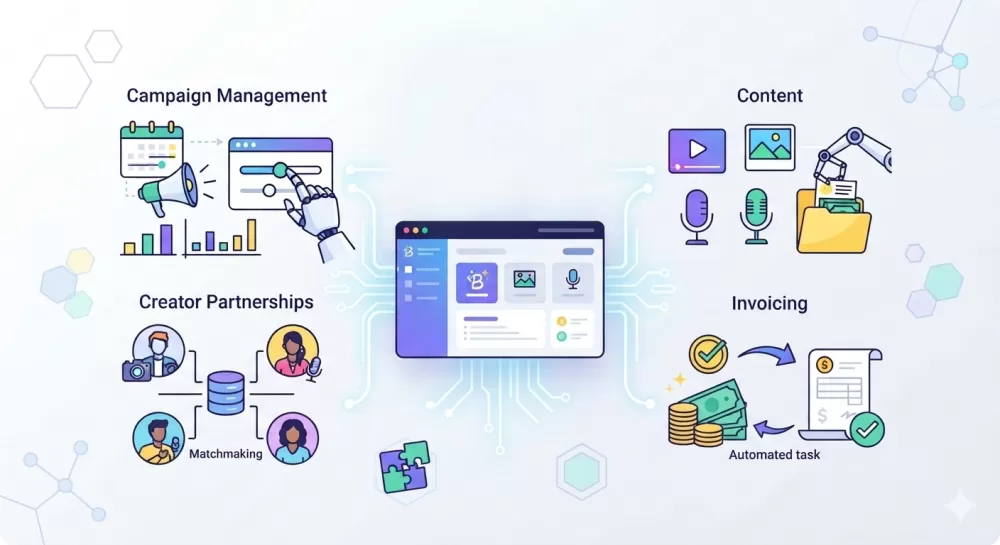
A founder’s take on why AI‑driven workflow tools are finally catching up with influencer marketing
Brief is an AI‑backed CRM that turns chaotic influencer campaigns into smooth, automated processes. Founder Fabio Larroyo explains the problem, the solution, and where the startup is headed.
When you spend six years, a thousand campaigns, and more than five million dollars on influencer marketing, you start to notice the same pain points over and over. Teams are juggling WhatsApp threads, endless spreadsheets, and a barrage of email approvals while trying to keep creative momentum alive. It feels a bit like herding cats—if those cats were also trying to invoice you.
Enter Brief, a single‑person startup that aims to be the missing piece of the puzzle: an AI‑powered CRM that does the heavy‑lifting coordination for influencer teams. The founder, Fabio Larroyo, isn’t a coder who stumbled onto a market gap; he’s a marketer who lived inside it. He’s run more than a thousand campaigns, burned through a couple of million in spend, and knows exactly when a workflow breaks down and why.
Why now? The influencer economy has vaulted past the $47 billion mark, and brands are treating it as a core budget line, not a side experiment. Yet the tooling hasn’t kept pace. Two years ago AI wasn’t smart enough to parse creator briefs or predict approval bottlenecks. Today it can, and in a year or two the biggest players will have cloned whatever works. The window for a first‑mover is narrow, and Brief wants to own it.
What makes the team special? At the moment it’s just Fabio, and that’s intentional. He isn’t trying to build a product for someone else—he’s building it for himself. “I got tired of waiting for someone else to solve the problem,” he says, half‑joking, half‑serious. That singular focus keeps the roadmap razor‑sharp and the user‑experience deeply empathetic.
Success, for now, is measured in the simplest terms: paying customers who stick around. The first client, a modest influencer‑marketing outfit, signed on after a single demo and has renewed each month since. Retention is the real north star; if teams come back month after month, Brief is doing its job.
Brief’s promise is straightforward: act as the AI project manager and CRM rolled into one. From the moment a brand drafts a brief, through creator outreach, content approval, and finally invoicing, the platform automates the steps that traditionally eat up time. Creators get a clean workspace to manage deals, contracts, and analytics—a side of the product that will launch later this year and opens a far larger market.
The traction so far feels almost anecdotal, but the numbers tell a story. The MVP was cobbled together in under 24 hours; within a week Fabio was logging more than 100 hours on the platform, testing every edge case. He’s now in the top ten percent of users on Lovable, the no‑code AI tool that powered the first version. That speed—from idea to live product to first paying client—signals a genuine demand.
Looking ahead, the goal is modest but meaningful: 50 paying teams by the end of the year, each paying roughly $799 per month. Beyond that, the creator‑centric workspace will broaden the addressable market dramatically, because every influencer runs a little business of their own.
When asked about threats, Fabio’s answer is pragmatic. He doesn’t see competitors as monsters to fear; he studies them, learns, and then moves faster. “The answer is always the same: stay closer to the customer and build what they actually need, not what looks pretty on a slide deck,” he notes.
Recently, Brief was accepted into the LvlUp Labs Marketing Edge Accelerator and secured its first round of seed funding—a vote of confidence that, in Fabio’s words, feels like the world finally catching up to a problem he’s been shouting about for years.
- UnitedStatesOfAmerica
- News
- Technology
- TechnologyNews
- Founders
- MarketingAutomation
- Startup
- InfluencerMarketing
- StartupFounders
- SeedFunding
- FounderInterview
- StartupFounderQuestions
- StartupFounderInterview
- StartupMediaCoverage
- QuestionsForStartupFounders
- AiCrm
- BriefAiPlatform
- CreatorWorkspace
- LvlupLabsAccelerator
Editorial note: Nishadil may use AI assistance for news drafting and formatting. Readers can report issues from this page, and material corrections are reviewed under our editorial standards.