Bat Beauty Contest Returns on October 24
- Nishadil
- October 21, 2026
- 0 Comments
- 3 minutes read
- 11 Views
- Save
- Follow Topic
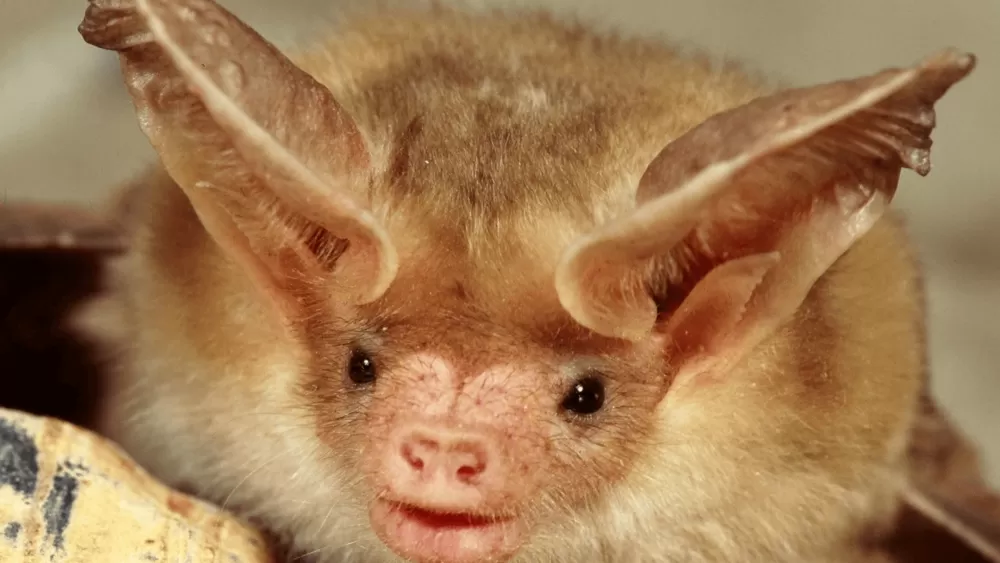
Vote for the Cutest Bat in BLM’s Annual Beauty Show
The Bureau of Land Management is back with its quirky Bat Beauty Contest, inviting the public to pick the most photogenic bat from public lands during Bat Week.
When Alaska’s bears finish bulk‑up for winter and Halloween chills the air, a smaller, winged contender steps into the spotlight: the Bat Beauty Contest. The Bureau of Land Management (BLM) will launch the competition on Saturday, October 24, posting a fresh batch of bat portraits on its Facebook and Instagram feeds.
From there, you get to play judge. Click ‘like’ or drop a comment to back your favorite flyer. The votes are tallied, and a winner is announced the following Saturday, October 31 – just in time to cap off Bat Week, a celebration of these night‑time pollinators and pest controllers.
All of the contestants are wild bats that happen to roost on lands managed by the agency. Wildlife technicians capture the images, so the photos are as authentic as it gets – no studio lighting, no Photoshop tricks. The previous champion, a hoary bat named “Hoary Potter” from Oregon, snagged the crown in 2024, beating out quirky rivals like “Honey Bunches of MyOtis” (a long‑eared Myotis) and “Robert Battinson” (a common Myotis).
Why all the fanfare? Aside from the endless bat‑themed puns, the contest dovetails with Bat Week (Oct 24‑31), a nationwide push to spotlight the only mammals capable of sustained flight. Bats do far more than inspire spooky stories; they pollinate plants, disperse seeds, and gulp insects nightly – often swallowing a weight‑equivalent of bugs each evening.
Some species even help make the drinks we love. Lesser long‑nosed bats follow “nectar corridors” from south‑central Mexico up into the southwestern United States, feeding on agave flowers that eventually become tequila and mezcal. Others feast on fruit or pollen, weaving themselves into the fabric of ecosystems from deserts to arctic tundras.
Unfortunately, bats face a slew of modern threats. Habitat loss, bright streetlights, and the dreaded white‑nose syndrome – a fungal disease that has wiped out millions of hibernating bats over the past two decades – all contribute to declining numbers. Misunderstandings about disease transmission (yes, rabies can affect bats, but they’re not the plague we’re made out to be) add another layer of challenge.
With more than 1,400 species worldwide – roughly 20 % of all mammals – bats are truly a global phenomenon. If you’re curious about which species hover near your backyard, Bat Week’s state‑by‑state bat database is a handy tool.
So mark your calendar, follow BLM’s social channels, and cast your vote. Whether you’re a seasoned naturalist or just in it for the puns, the Bat Beauty Contest is a reminder that even the tiniest creatures deserve a moment in the limelight.
Editorial note: Nishadil may use AI assistance for news drafting and formatting. Readers can report issues from this page, and material corrections are reviewed under our editorial standards.