Alberta Referendum: Early Returns Reveal a Province Divided on Remaining Questions
- Nishadil
- October 21, 2026
- 0 Comments
- 4 minutes read
- 2 Views
- Save
- Follow Topic
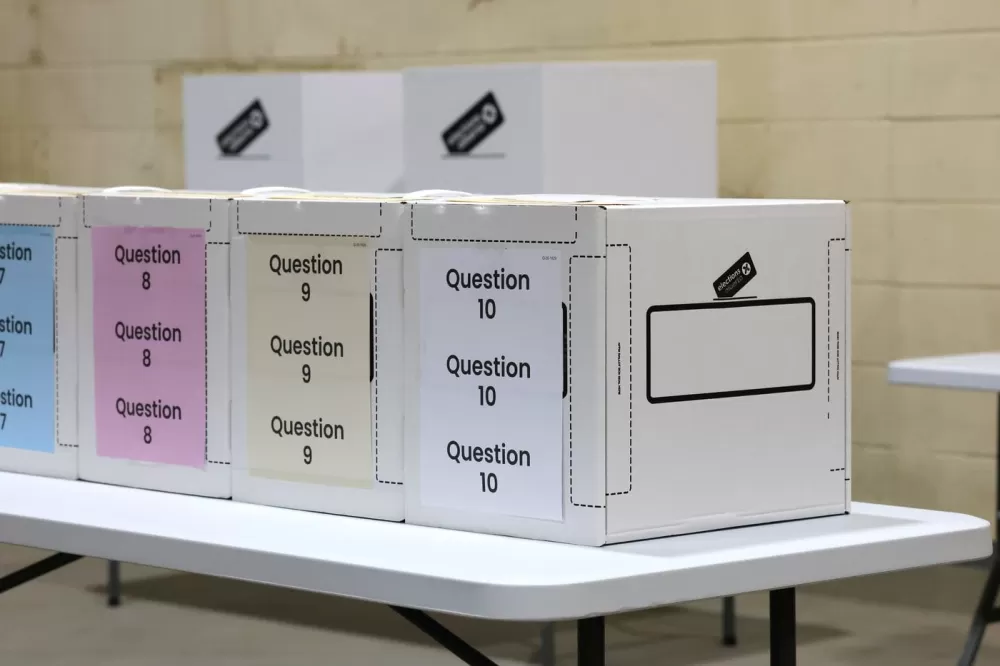
Early results show Albertans split on nine referendum items after decisive votes on staying in Canada
While Albertans voted overwhelmingly to remain part of Canada, early tallies on the nine remaining referendum questions show a province split, with opinions ranging from immigration to resource policy.
When the polls closed on Monday, Albertans were faced with ten separate referendum questions – two about the province’s very future and eight about policy tweaks that could reshape daily life. The first two questions, which asked whether Alberta should stay in Canada and whether it should pursue a separate political path, were decided in a landslide. Over 80 % of voters chose to stay, essentially shutting down the separatist buzz that’s been swirling for months.
But the story gets a lot more interesting when you look at the numbers for the other nine questions. Early returns, which Elections Alberta released just after 8 p.m. Mountain Time, paint a picture of a province that’s anything but monolithic. Some issues, like the proposed changes to the province’s immigration program, are pulling a clear majority in one direction, while others, such as the amendment to the provincial sales tax, are barely tipped either way.
Take Question 3, for example – it asks voters whether they support a new points‑based immigration system that would prioritize skilled workers. So far, about 57 % of ballots cast are in favour, suggesting a modest but tangible appetite for reform. Premier Danielle Smith, who has long championed a more aggressive immigration strategy, hailed the early numbers as “a mandate to act.”
Contrast that with Question 5, which proposes a modest increase to the provincial sales tax to fund health‑care infrastructure. The early tally is a near‑even split – roughly 49 % for, 51 % against. Health‑care advocates are breathing a sigh of relief, while fiscal conservatives are gearing up for a bruising debate in the legislature.
Meanwhile, Question 7 – the one that would let municipalities raise their own property taxes without provincial approval – is seeing the strongest opposition of the lot. Only about 38 % of early respondents are backing the measure, indicating that many Albertans remain wary of giving local governments more fiscal freedom.
On the flip side, Question 9, which would allow the province to increase royalties on oil and gas extraction, is pulling a modest lead for the “yes” side at around 53 %. Energy industry insiders are watching the numbers closely, knowing that any shift in royalty rates could reverberate far beyond the province’s borders.
It’s worth noting that these are still early returns. Elections Alberta says final results won’t be certified until after the midnight deadline, and the margin in several questions could still swing as the last precincts report. Still, the current snapshot suggests a province that’s comfortable staying within the Canadian federation but sharply divided on how to shape its policies moving forward.
Political pundits are already interpreting the split. Former premiers Rachel Notley and Jason Kenney appeared together on a televised panel, each offering starkly different takes. Notley argued that the mixed results “show Albertans are demanding a more progressive, inclusive approach,” while Kenney warned that the lack of consensus on fiscal matters could “stall any meaningful reform.”
For Premier Smith, the take‑away is clear: she plans to push ahead with her immigration agenda while acknowledging the need for compromise on the other issues. In a brief statement released after the early returns, she said, “Alberta’s voice is clear on staying united, and I respect the diverse opinions on the rest. We’ll move forward, but we’ll listen.”
Local reactions echo that sentiment. In Edmonton’s downtown core, a group of young professionals gathered outside the Legislative Assembly, cheering the immigration vote but holding signs that read “Don’t raise taxes!” in front of the sales‑tax question. In rural Calgary, a farmer’s cooperative held a modest rally, praising the royalty increase but urging the government to keep property taxes low.
As the night wears on, Albertans will be glued to their screens, waiting for the final count. Whether the province ends up with a clear mandate on any of the nine lingering questions remains to be seen. What’s certain, however, is that the referendum has sparked a lively conversation about the direction Alberta wants to take – a conversation that will likely continue well into the next legislative session.
Editorial note: Nishadil may use AI assistance for news drafting and formatting. Readers can report issues from this page, and material corrections are reviewed under our editorial standards.