AI‑Engineered Viruses: A Startup Claims a Breakthrough Treatment, but Experts Remain Wary
- Nishadil
- October 21, 2026
- 0 Comments
- 4 minutes read
- 11 Views
- Save
- Follow Topic
Biotech newcomer says AI‑designed virus cured a patient – regulators and scientists ask for proof
A fledgling biotech firm alleges that an artificial‑intelligence created virus cleared a rare cancer in a single patient, sparking excitement and caution in the medical community.
When the founders of NovaVirion stepped onto the stage at a modest conference in Boston, they didn’t just unveil a new drug – they rolled out a story that sounds more like science‑fiction than a press release. According to their CEO, an artificial‑intelligence system they built last year designed a tiny, tailor‑made virus that was then injected into a 58‑year‑old patient with an aggressive form of lymphoma. Within weeks, the tumor shrank dramatically, and the patient is now reportedly in remission.
It’s a narrative that hits all the right notes for today’s hype‑driven biotech arena: AI, precision medicine, and a dramatic patient outcome. Yet, as the excitement builds on social media, a chorus of clinicians, ethicists, and regulators is urging a pause. “Extraordinary claims require extraordinary evidence,” says Dr. Maya Patel, an oncologist at Massachusetts General Hospital, who has not seen the data beyond the company’s press kit.
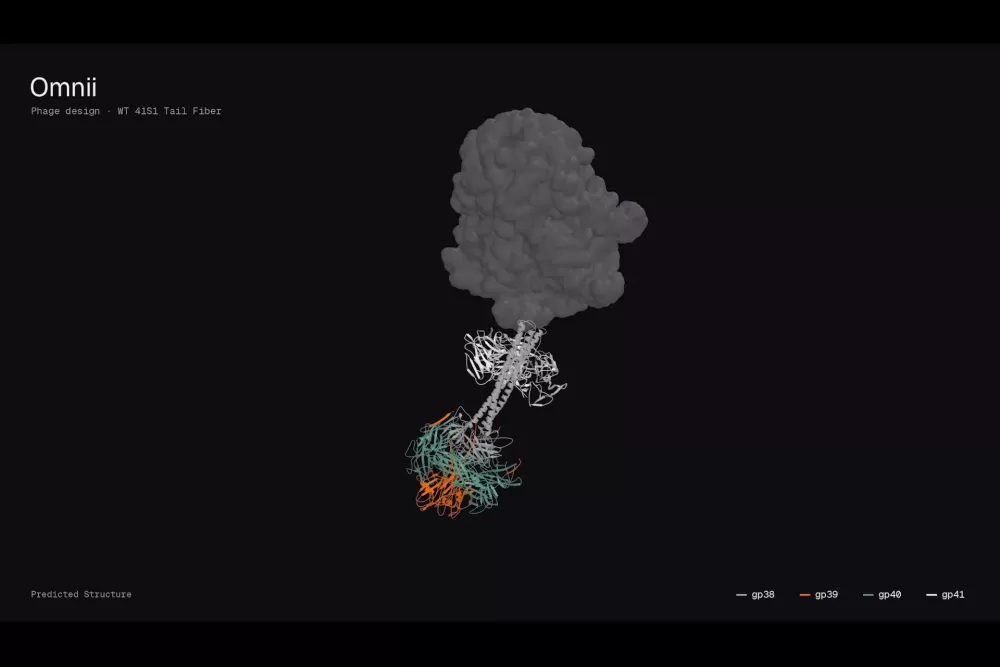
NovaVirion, founded in 2024 by a duo of former MIT researchers, says its platform—dubbed VirAI—combines deep‑learning algorithms with high‑throughput screening to engineer viral vectors that can seek out and destroy cancer cells while sparing healthy tissue. The company claims the AI model predicts viral tropism, immunogenicity, and safety profiles in silico, shaving months off the traditional design cycle.
The patient at the center of the story, who asked to remain anonymous, was diagnosed with diffuse large B‑cell lymphoma (DLBCL) after conventional chemotherapy failed. After enrolling in what NovaVirion describes as a “compassionate‑use” protocol, the patient received a single dose of the AI‑crafted oncolytic virus. Imaging performed three weeks later showed a 70 % reduction in tumor volume, and blood work indicated no detectable circulating cancer cells.
While the numbers sound promising, they are, for now, anecdotal. The company has not yet submitted its findings to a peer‑reviewed journal, nor has it disclosed detailed methodology, dosing regimen, or long‑term follow‑up data. “We need to see the raw sequencing data, the viral construct, and the safety assessments,” notes Dr. Luis Hernandez, a virologist at Harvard Medical School. “Without that, it’s impossible to gauge reproducibility or off‑target effects.”
Regulatory agencies are watching closely. The FDA’s Center for Biologics Evaluation and Research (CBER) issued a statement last month reminding developers that AI‑generated biologics still fall under existing frameworks for safety and efficacy. “AI can accelerate discovery, but it does not replace the rigorous pre‑clinical and clinical testing required for any new therapeutic,” the statement read.
Beyond the scientific scrutiny, there are ethical considerations. The notion of deliberately creating viruses—albeit engineered for good—raises red flags about dual‑use research. “We have to ask whether the same AI tools could be repurposed to design harmful pathogens,” warns Dr. Elena Russo, a biosecurity expert at the Center for Strategic and International Studies.
Investors, however, seem less hesitant. In a recent funding round, NovaVirion raised $45 million from a consortium of venture capital firms that specialize in deep‑tech health startups. The lead investor, Pioneer Ventures, highlighted the “unparalleled speed and specificity” of the AI platform as a potential game‑changer in oncology.
For the patient, the experience has been life‑changing. “I was at my lowest point, and this treatment gave me a second chance,” he told a local news outlet. Yet, he also expressed uncertainty about the future: “I don’t know what the long‑term effects might be, but right now I’m just grateful to be alive.”
The story of NovaVirion sits at the crossroads of optimism and caution—a reminder that while AI can open doors previously thought locked, each new key must be examined for durability and safety. As the biotech community waits for rigorous data, the question remains: will this be a singular success story, or the first chapter of a broader, AI‑driven revolution in viral therapeutics?
Editorial note: Nishadil may use AI assistance for news drafting and formatting. Readers can report issues from this page, and material corrections are reviewed under our editorial standards.