AI Can Speed Up Studying, Yet Most Indian Students Worry It Undermines True Understanding
- Nishadil
- October 22, 2026
- 0 Comments
- 2 minutes read
- 6 Views
- Save
- Follow Topic
Survey Shows 82% of Indian Learners Fear AI Might Harm Deep Learning Even As They Embrace Its Career Benefits
A new HP Futures 2026 survey of 758 Indian students reveals a paradox: while AI is praised for efficiency and future job prospects, a striking 82% worry it could weaken genuine comprehension.
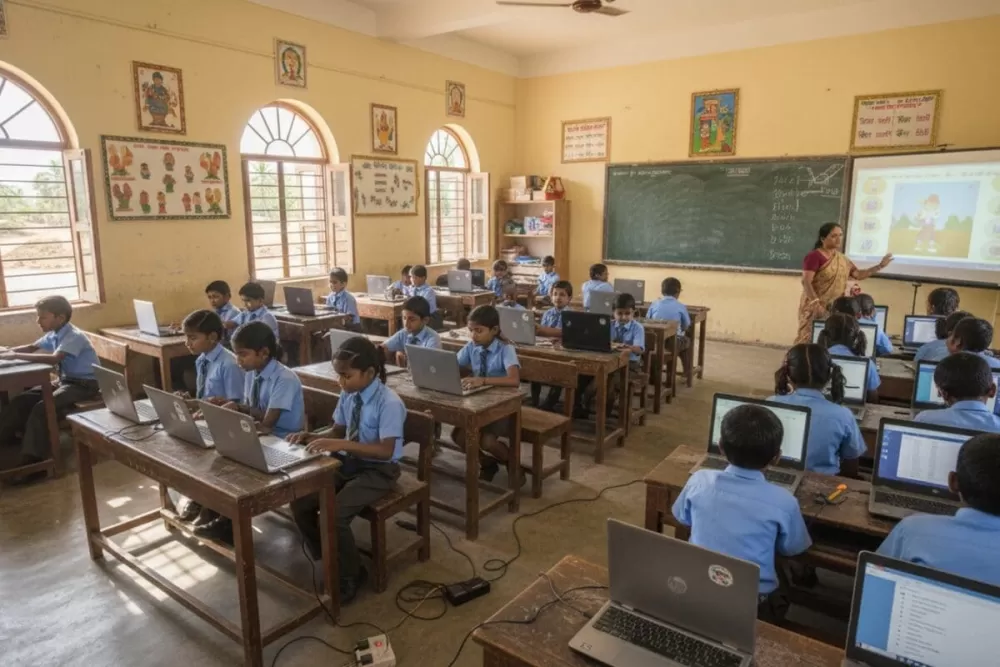
When the HP Futures 2026 research team asked over 6,000 students worldwide how they felt about artificial‑intelligence tools in the classroom, the numbers from India stood out. Out of 758 respondents, a hefty 82 % confessed they’re uneasy that AI‑driven shortcuts might erode the depth of their learning.
It’s not that these students are anti‑technology. In fact, 78 % believe AI will generate more career opportunities than it will replace, and a solid 87 % say they feel confident using AI responsibly once they graduate. The optimism is real, but it coexists with a very human concern: the fear of trading true understanding for speed.
When it comes to the nuts‑and‑bolts of study habits, the data paints an even clearer picture. A good 42 % of Indian participants still cling to printed textbooks or handwritten notes when they need to remember something long‑term. By contrast, only 17 % would rely on AI‑generated summaries for the same purpose. In other words, many students see a clear line between a quick information grab and the deeper work of retaining knowledge.
What skills do these students think will matter most in the jobs of tomorrow? Unsurprisingly, AI and digital literacy topped the list, with 52 % ticking that box. Close behind were creativity (48 %) and critical thinking (41 %). Communication and collaboration weren’t far off, earning 36 % of the votes.
Education experts and policymakers featured in the study — 58 leaders from schools, government and the future‑of‑work arena — argue that the answer isn’t to ditch AI, but to weave it into a curriculum that still champions core literacies. They call for a balanced approach where reading, writing, numeracy and identity‑shaping lessons stay front and centre, while hands‑on, creative projects help students apply new tech without losing the fundamentals.
In short, Indian students are cautiously hopeful. They recognize AI’s promise for career growth and feel ready to use it, yet they remain vigilant about protecting the depth of their learning. The challenge for educators now is to design learning environments that give students the best of both worlds: rapid access to information without sacrificing the rich, reflective understanding that traditional study methods nurture.
Editorial note: Nishadil may use AI assistance for news drafting and formatting. Readers can report issues from this page, and material corrections are reviewed under our editorial standards.