Why Mumbai Police Can’t Take Lawrence and Anmol Bishnoi into Custody – The Legal Hurdles Explained
- Nishadil
- October 20, 2026
- 0 Comments
- 3 minutes read
- 9 Views
- Save
- Follow Topic
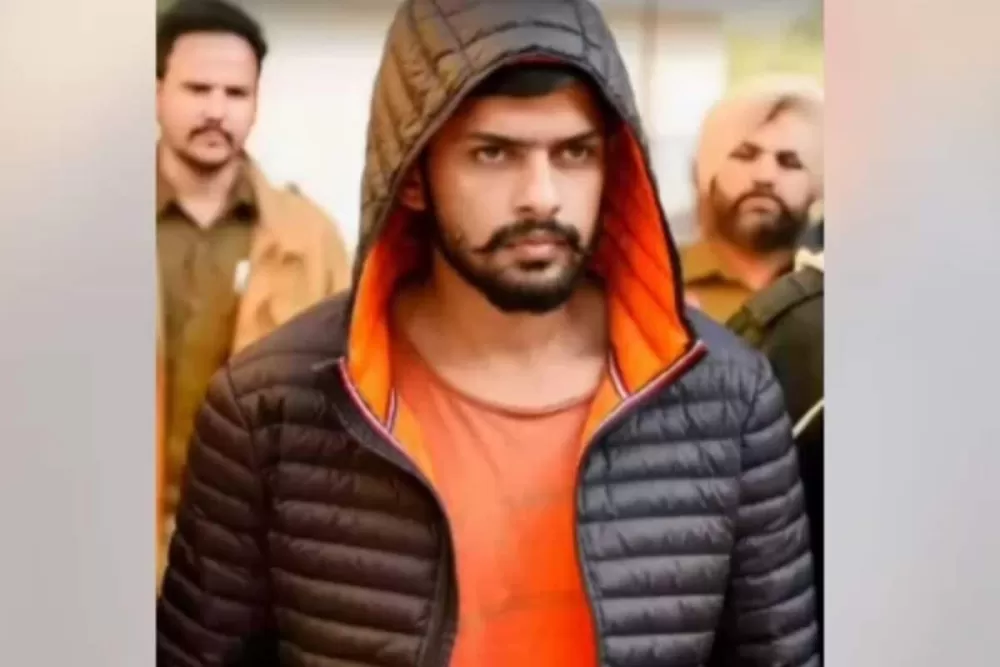
Section 303 of the BNSS blocks the transfer of the Bishnoi brothers from prison
Even though the Bishnoi brothers are named in high‑profile cases, a 2023 law prevents Mumbai police from moving them out of jail without a special order.
When the three suspects were nabbed in connection with the Tiger Shroff firing at Juhu, all eyes turned to the two infamous brothers – Lawrence and Anmol Bishnoi. The media buzz made it seem like Mumbai’s detectives could simply bring the two men to the city for questioning. In reality, the law says otherwise.
Both brothers are currently behind bars far from Mumbai: Lawrence is serving his term at Sabarmati Central Jail in Ahmedabad, while Anmol is locked up in Delhi’s notorious Tihar Jail. Their incarceration locations, combined with a specific provision in the Bharatiya Nagarik Suraksha Sanhita (BNSS) of 2023, create a legal roadblock that the Mumbai police cannot just drive around.
Section 303 of the BNSS – the clause that replaced the older Code of Criminal Procedure – gives the "appropriate government" the power to issue an order that a particular person, or a whole class of persons, must not be removed from the prison where they are detained. The government can invoke this power for reasons ranging from the seriousness of the offence to concerns about public order.
In August 2023, the Union Ministry of Home Affairs (MHA) used this very provision to bar Lawrence Bishnoi’s transfer. A similar restriction was placed on Anmol in December 2025, locking him into Tihar for at least a year. Because these orders are still in force, any other state police force – including Mumbai’s – must obtain a fresh, court‑approved warrant that specifically overrides the Section 303 restriction. A routine production warrant alone won’t cut it.
The practical effect? Even if Mumbai police name the brothers in a charge sheet, they cannot physically escort them to Mumbai for interrogation. The only legal avenue left is to request the court’s permission to question them within the walls of their respective jails. That process is often slower, and the police’s ability to conduct a thorough interview is limited by the prison’s own rules.
We saw this limitation play out in July 2026, when a Mumbai court rejected a plea to take Anmol Bishnoi into custody for the Baba Siddique murder probe, citing the MHA’s Section 303 order. The ruling underscored a crucial point: naming an accused does not automatically grant police the right to move them across state lines.
So, what does this mean for the Tiger Shroff case? If investigators find credible evidence linking either brother to the Juhu firing, they will still have to follow the formal route – filing a petition, waiting for a judge’s nod, and then arranging a prison‑inside interview. Until the Section 303 restriction is lifted or modified, the brothers will stay where they are, and Mumbai police will have to work around the legal fence.
In short, the law tries to balance two competing interests: the state’s need to investigate serious crimes and the accused’s right to remain in a secured, designated facility. That balance is what keeps the Bishnoi brothers out of Mumbai’s custody for now.
Editorial note: Nishadil may use AI assistance for news drafting and formatting. Readers can report issues from this page, and material corrections are reviewed under our editorial standards.