The Great Wage Debate: How Skilled Immigration Shapes American Tech Salaries
- Nishadil
- November 18, 2026
- 0 Comments
- 4 minutes read
- 6 Views
- Save
- Follow Topic
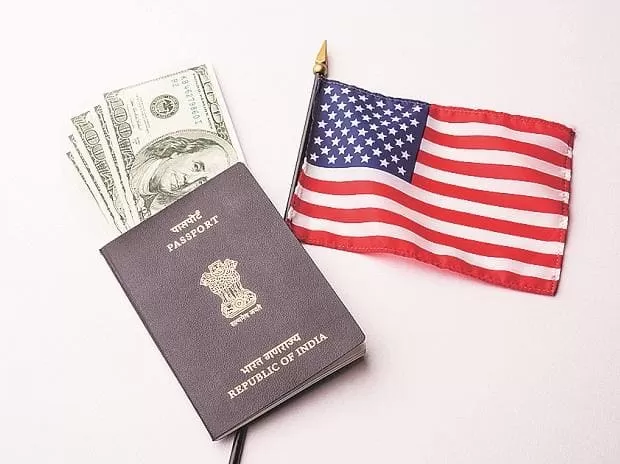
New Harvard Study Links Skilled Immigration to Up to 16% Wage Cut for US Tech Workers
A Harvard study reveals skilled immigration may reduce US tech worker wages by up to 16%, fueling debate on H-1B visas and economic impact.
The conversation around skilled immigration in the United States, particularly concerning its effects on the domestic workforce, is always buzzing, isn't it? It’s a hot-button issue, deeply personal for many, and frankly, quite complex. Now, a rather compelling new study from Harvard economist George Borjas has really stirred the pot, suggesting some significant implications for American tech workers' wages. And honestly, the numbers are quite stark.
Published by the National Bureau of Economic Research (NBER), this in-depth analysis crunched US census data spanning from 2012 to 2024. What it found, well, it gives us a lot to chew on. According to Borjas, a respected figure who also served on Trump's Council of Economic Advisers, American workers with science and engineering degrees actually earned about 3.5% less than they might have if it weren't for temporary high-skilled immigration programs during that period. That’s not a negligible figure, you know?
But it gets even more specific, and for some, perhaps, more concerning. For those American professionals holding master's degrees in specialized fields like computing, or electrical and computer engineering, the impact was even greater. The study suggests their wages could have been roughly 16% higher. Across all sectors examined, workers with either a bachelor's or master's degree in the US saw an average wage reduction of around 1.3%. It makes you think about the direct impact on individuals and families, doesn't it?
Now, it’s never a simple, one-sided story in economics. Borjas's research also points out an important counter-effect: skilled immigrants, undeniably, contribute to higher production and overall economic activity. This increased economic output, he notes, actually boosted wages by about 1.4%, effectively offsetting some of that downward pressure we just talked about. So, while there's a dampening effect on certain wages, there's also a broader economic benefit happening simultaneously. It's a delicate balance.
At the heart of much of this discussion, of course, is the H-1B visa program. This particular initiative allows US employers to recruit foreign professionals for specialized roles, especially prevalent in the booming technology, engineering, and scientific research sectors. Unsurprisingly, professionals from India are among the largest beneficiaries of this program, a point often highlighted in global discussions about skilled migration.
These findings, as you might imagine, resonate deeply within the current political climate. The Trump administration, for instance, has been actively pursuing stricter immigration rules for skilled foreign workers. We’ve seen concrete actions like the September renewal of a $100,000 fee for companies seeking H-1B workers. And then, in October, a move that truly turned heads: the administration suspended eight major technology companies, including giants like Microsoft and Adobe, from sponsoring foreign workers for green cards. These are significant shifts.
Politicians like Vice-President JD Vance have been vocal, arguing that some companies might be using these programs to replace laid-off American employees with foreign workers who can be paid less. It's a powerful argument that certainly strikes a chord with many. However, and this is a crucial nuance, the study itself doesn't definitively conclude that every foreign worker hired via the H-1B program directly replaces an American employee. The economic dynamics are often far more complex than a simple one-to-one swap.
Ultimately, this Harvard study adds significant weight to the ongoing conversation about the complex interplay between skilled immigration, wage dynamics, and national economic policy. It’s a reminder that these policies have tangible effects on real people, both those seeking opportunity and those already in the workforce. The debate, it seems, is far from over, and understanding these intricate connections is more vital than ever.
Editorial note: Nishadil may use AI assistance for news drafting and formatting. Readers can report issues from this page, and material corrections are reviewed under our editorial standards.