Pioneering the Future: How UC San Diego Health is Redefining Healthcare with AI and Innovation
- Nishadil
- November 17, 2026
- 0 Comments
- 5 minutes read
- 19 Views
- Save
- Follow Topic
UC San Diego Health Leads the Charge in AI-Driven Healthcare Transformation
Explore how UC San Diego Health is leveraging cutting-edge AI and innovation to revolutionize patient care, from predictive analytics to personalized health strategies.
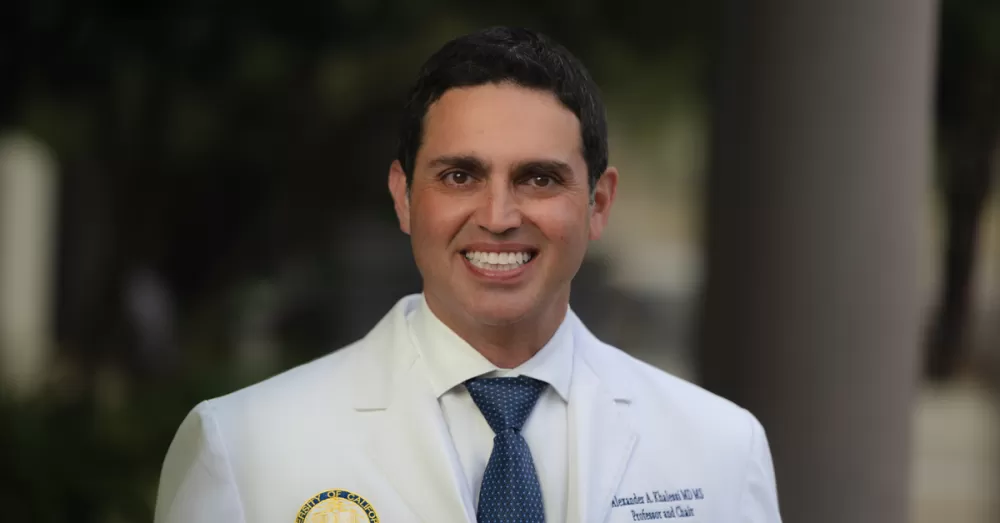
The landscape of modern medicine, ever-evolving, now stands on the cusp of a profound transformation, thanks in no small part to the incredible potential of artificial intelligence and innovative technologies. Here at UC San Diego Health, a truly pioneering spirit is at play, actively shaping this future. Dr. Alexander Khalessi, the Chief Innovation Officer, among his many distinguished roles, encapsulates this forward-thinking ethos perfectly. He and his team aren't just observing the shift; they're meticulously orchestrating it, driven by a clear, compelling vision for what healthcare can and should be.
This ambitious journey, you see, is built upon a robust foundation of six strategic pillars. Think of them as the guiding principles, meticulously designed to ensure comprehensive and impactful change. First off, there's a relentless drive to translate biological discoveries into brand-new, life-changing therapies – a cornerstone of any leading academic medical center. Then, we move to the exciting frontier of delivering truly personalized health, but doing so at an unprecedented population scale, which is quite the challenge. Cultivating agile partnerships with industry leaders is also crucial, fostering collaboration that pushes boundaries. Advancing health data science through the electronic health record, a goldmine of information, is another critical component. And, perhaps most fundamentally, they are steadfastly building organizational AI literacy, ensuring everyone understands and can responsibly leverage these powerful tools. Finally, and crucially, they are actively working to shape national policy, recognizing that this transformation requires thoughtful regulation and guidance.
One of the most compelling shifts underway is the move away from what we might call "episodic" care – those isolated visits to the doctor or hospital – toward a more holistic, continuous model of patient monitoring. Imagine a world where digital and wearable technologies seamlessly track your health, providing real-time insights that can prevent issues before they become emergencies. This isn't just about convenience; it's about fundamentally improving patient outcomes and quality of life, allowing for earlier interventions and a more proactive approach to well-being.
Of course, with great power comes great responsibility, and UC San Diego Health is acutely aware of the ethical considerations surrounding AI. They're not just rushing into adoption; they're approaching it with a deeply thoughtful and responsible mindset. This means establishing robust governance structures right from the start, continuously assessing performance accuracy to ensure the AI models are indeed doing what they're supposed to, and rigorously validating everything through solid evidence and academic study. Transparency is key too, especially concerning the training data used, to proactively avoid biases that could inadvertently disadvantage certain patient groups. Ultimately, it all circles back to building that widespread AI literacy across the entire organization, ensuring every team member understands its capabilities, limitations, and ethical implications.
But let's not just talk theory; let's look at real-world impact. One truly remarkable example involves their innovative AI model, deployed in UC San Diego Health emergency departments as early as 2024. This ingenious tool was designed to proactively identify patients at high risk of sepsis, a life-threatening condition. The results? Absolutely astounding. The model contributed to a significant 17% reduction in mortality from sepsis, a testament to its efficacy. This initiative, championed by dedicated professionals like Dr. Gabriel Wardi, an emergency medicine and critical care physician, and Dr. James Ford, an assistant professor, alongside the insights from work like Jeanna Vazquez's "Utilizing AI Tools to Predict Sepsis, Save Lives," really showcases the tangible, life-saving difference AI can make when implemented thoughtfully.
Looking ahead, the research doesn't stop there. UC San Diego Health is also diving deep into the potential of large language models (LLMs) – yes, the very same technology powering many of today's conversational AIs – to revolutionize how they compile complex hospital quality data. Imagine LLMs automatically sifting through vast amounts of electronic health record data, making the process of extracting vital information for quality improvement not only more efficient but also remarkably more accurate. This kind of innovation promises to free up precious human resources, allowing clinicians to focus more on direct patient care and less on administrative burdens.
What's crystal clear is that UC San Diego Health isn't simply reacting to technological advancements; they are actively, and very thoughtfully, leading the charge. Their comprehensive strategy, spanning everything from fundamental research to responsible implementation and policy advocacy, truly sets a benchmark for the future of healthcare. It’s an exciting time to witness such dedication to innovation, all with the ultimate goal of enhancing patient lives and shaping a healthier tomorrow for everyone.
Editorial note: Nishadil may use AI assistance for news drafting and formatting. Readers can report issues from this page, and material corrections are reviewed under our editorial standards.