When Climate Ambitions Slip, Communities Start Battling for Their Own Survival
- Nishadil
- September 15, 2026
- 0 Comments
- 3 minutes read
- 2 Views
- Save
- Follow Topic

Global climate targets stumble; local residents confront the harsh reality of adapting to a warming world
As nations miss key emissions milestones, vulnerable towns and Indigenous groups shift focus from abstract goals to immediate survival strategies.
It feels like the world has been watching a marathon where the runners keep tripping over the same hurdles. The United Nations’ 2030 emissions target – keeping warming below 1.5°C – is slipping farther from reach, and the newsrooms are finally starting to echo the anxiety echoing in villages, farms, and coastal towns that feel the heat in a very literal way.
Last month, the latest UNEP assessment showed that global CO₂ emissions rose 0.6% in the first half of the year, erasing the modest gains that had been celebrated earlier. Major economies – the United States, the European Union, and China – all reported numbers that sit squarely outside the pathway scientists say is needed to stay under the critical threshold. Politicians keep promising “new technologies” and “green jobs,” but the data points to a different story: the clock is ticking faster than the policy wheel can turn.
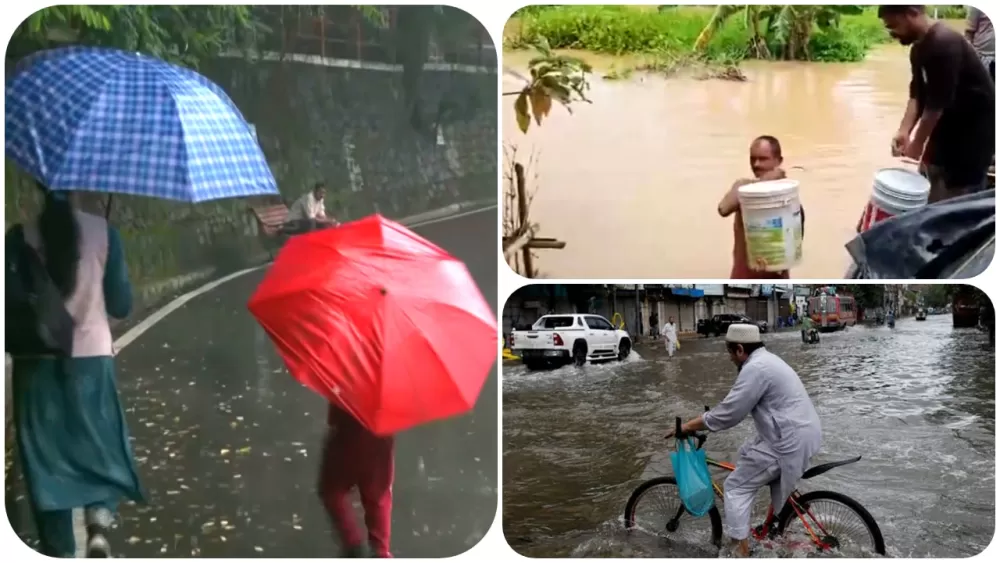
In the midst of those headlines, a quieter, more urgent drama is unfolding. In Bangladesh’s low‑lying Khulna district, families have started stacking sandbags not for a festive parade but to keep the encroaching sea at bay. In the arid Sahel, pastoralists are abandoning age‑old migration routes because the rains simply aren’t coming. And up in the Pacific, the island of Kiribati is negotiating an unprecedented “climate‑refugee” treaty, preparing to relocate whole communities before their homes disappear beneath the waves.
These stories, while heartbreaking, also showcase a kind of gritty resilience. Local NGOs are teaching farmers how to grow salt‑tolerant rice, engineers are installing low‑cost solar micro‑grids in remote villages, and Indigenous groups in Canada are reviving traditional fire‑management practices to protect their lands from wildfire‑season escalation. The shift is palpable: from waiting for lofty international agreements to taking matters into their own hands.
Yet the paradox remains. While these grassroots adaptations are vital, they are also a sign that the grand climate narrative – the one that talks about limiting warming and preserving a stable planet – is losing its traction. When the big‑picture goal falters, the reality on the ground becomes a fight for immediate survival, and that fight is often fought without the safety net of global financing or political will.
What does this mean for the future? Experts warn that if the current trajectory continues, adaptation will become the dominant, and far more costly, strategy. The international community may soon have to reckon not just with emissions cuts but with massive relocation programs, climate‑insurance schemes, and an unprecedented level of humanitarian aid.
For now, the world watches two parallel stories: policymakers debating carbon budgets in sleek conference rooms, and families in vulnerable regions building barricades against a rising tide. The hope, perhaps, lies in the fact that those on the front lines are already proving that survival isn’t just about waiting for a distant promise – it’s about innovating, collaborating, and refusing to give up, even when the odds seem stacked against them.
Editorial note: Nishadil may use AI assistance for news drafting and formatting. Readers can report issues from this page, and material corrections are reviewed under our editorial standards.