Uli Hoeneß Slams Lengthy International Break as Bayern’s Rhythm Falters
- Nishadil
- October 21, 2026
- 0 Comments
- 3 minutes read
- 6 Views
- Save
- Follow Topic
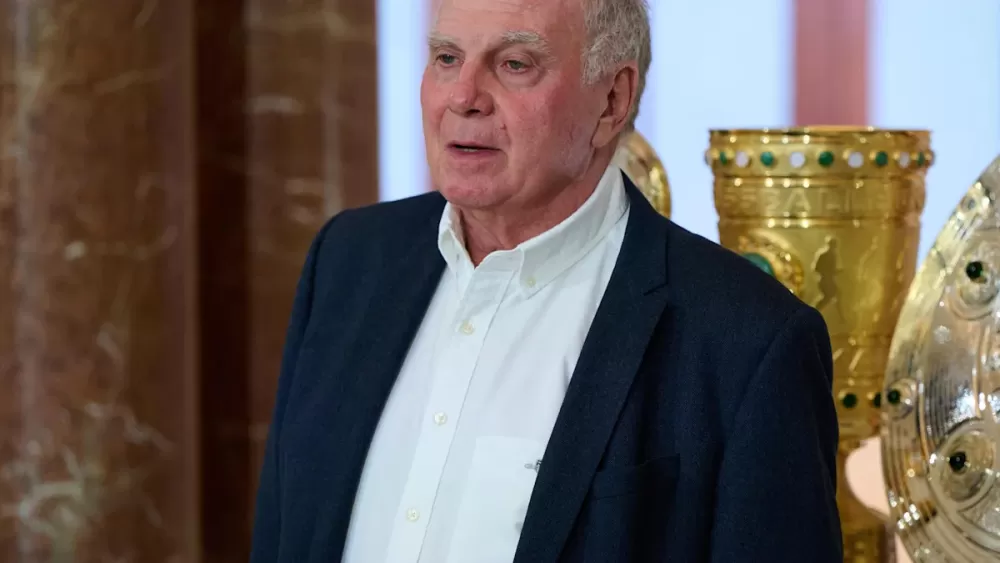
Former Bayern chief says extended break hurts club’s momentum
Uli Hoeneß, the ex‑president of Bayern Munich, criticised the 16‑day international pause, warning it disrupts the team’s flow and could cost valuable points in the Bundesliga.
At a ceremony in Munich’s State Chancellery on 16 September 2026, Uli Hoeneß – the man who helped turn Bayern Munich into a global powerhouse – didn’t hold back. While applauding the men’s and women’s squads for clinching the 2025‑26 German championship, he turned the spotlight onto a very different issue: the unusually long international break that had just wrapped up.
“Sixteen days away from the pitch is a lot,” Hoeneß said, his voice tinged with the kind of frankness you’d expect from someone who’s seen it all. “We train, we plan, we keep a rhythm. Pull the rug out for more than two weeks and you break that rhythm, you break the momentum.” The pause, dominated by UEFA Nations League fixtures for many of Bayern’s stars, was the longest the club had experienced in recent memory.
He wasn’t just being nostalgic. The timing of the break, Hoeneß pointed out, meant Bayern entered their first league match after the hiatus against Augsburg with a noticeable dip in sharpness. The 2‑2 draw on the weekend, far from the dominant 7‑0 victory over Union Berlin that had been celebrated just before the break, left fans and pundits alike wondering whether the long lay‑off had cost the Bavarians three points.
Even Jürgen Klopp, newly appointed as Germany’s national team manager, found his players returning a bit rusty. “You can feel it in the training ground,” Klopp admitted during a post‑match interview, echoing Hoeneß’s concerns. “The guys need a little extra time to get back to the speed we’re used to.” Hoeneß’s remarks, therefore, resonated not just as a club‑centric gripe but as a broader warning for German football.
From a scheduling perspective, the extended break was a product of the Nations League’s revamped format, which spreads matches across more windows. While the competition aims to increase competitive fixtures and reduce friendlies, critics like Hoeneß argue that the trade‑off is a more fragmented domestic calendar. “We’re not asking for a holiday,” he laughed, “just a sensible amount of time that doesn’t leave us scrambling for fitness after every set of games.”
Fans, meanwhile, had mixed feelings. Some appreciated the chance to watch their heroes on the international stage, especially in decisive Nations League ties. Others, however, shared Hoeneß’s frustration, recalling previous seasons when a two‑week pause seemed manageable, but this one felt “a stretch too far” for a squad already juggling Champions League and Bundesliga commitments.
In the end, Hoeneß’s critique wasn’t just about a single break; it was a call for the German Football Association and UEFA to rethink how the calendar is built. He urged officials to consider the cumulative impact of multiple long breaks throughout the season, especially as clubs like Bayern chase treble ambitions while also feeding talent into the national team.
Whether the governing bodies will take his words to heart remains to be seen. For now, Bayern Munich will have to regroup, tighten up their training sessions, and hope that the next break is a little less, well, break‑y.
Editorial note: Nishadil may use AI assistance for news drafting and formatting. Readers can report issues from this page, and material corrections are reviewed under our editorial standards.